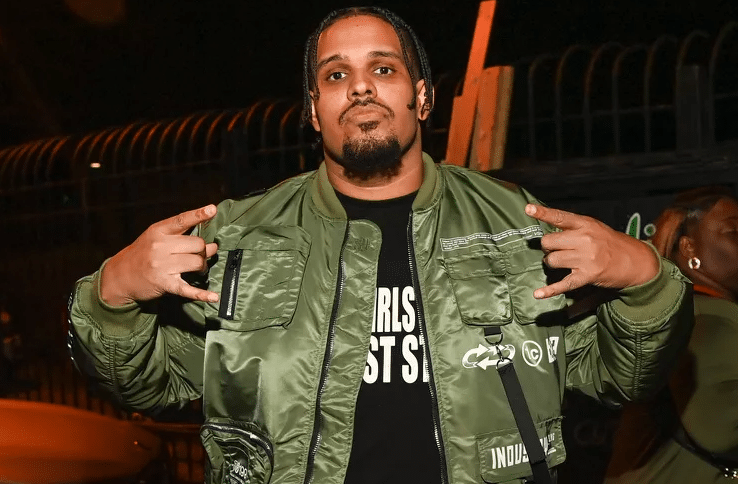
The music world was shaken by the sudden death of Houston rapper and producer BeatKing, also known as Club Godzilla, at the age of 39. BeatKing’s passing has left a void in the hip-hop community. His death, confirmed by his manager Tasha Felder, was attributed to a pulmonary embolism—a condition that many may not be familiar with but should be aware of, given its serious nature.
“BeatKing has been the best part of the club for over a decade,” Fedler wrote. “He has produced and worked with so many artists, that his sound will forever live. He loved his daughters @clubgodparenting, his music, and his fans. We will love him forever.”
“He was at an Urban One (Radio One) station doing a morning takeover when he suddenly fainted,” Felder added. “He was taken to a near by (sic) hospital where he later passed away. His daughters were with him the entire time. It is truly sad, we loved him so much.”
BeatKing, born Justin Riley, emerged as a formidable force in the Houston rap scene with his distinctive sound and charismatic persona. He first gained widespread attention with the release of “Crush” in the summer of 2010, a track that quickly became a viral hit. This song, along with his album Kings of the Club released in 2011, solidified his reputation as a pioneer of club music in Houston.
As a producer and rapper, BeatKing had a unique ability to craft infectious beats that dominated the airwaves and dance floors. His collaboration with DJ Chose on the 2020 track “Thick” was a major milestone in his career. The single, which celebrated body positivity and self-confidence, became an anthem, especially after receiving a high-profile remix by fellow Houston native Megan Thee Stallion.
BeatKing was also known for his work on “Then Leave” with Queendom Come, a 2020 release that became a viral sensation on platforms like TikTok. In 2022, BeatKing continued his streak of successful collaborations with the release of “Toot That” by Erica Banks, featuring DreamDoll.
Beyond his commercial success, BeatKing was known for his dedication to the Houston music scene. He was a mentor to many upcoming artists and remained deeply connected to his roots, often highlighting the unique sound and culture of Houston in his work. His influence extended beyond music, as he was known for his vibrant personality and his love for his fans, his daughters, and the city that shaped him.
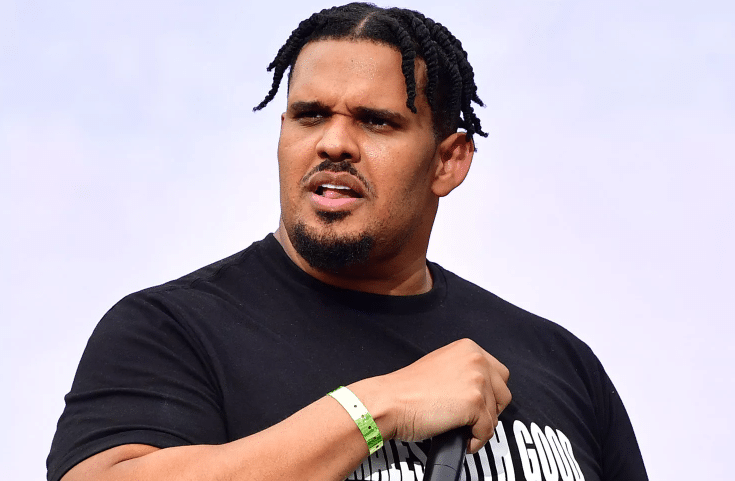
A pulmonary embolism (PE) occurs when a blood clot blocks one of the arteries in the lungs, obstructing blood flow. These clots typically form in the deep veins of the legs, a condition known as deep vein thrombosis (DVT), and then travel to the lungs. This blockage can be life-threatening because it prevents the lungs from receiving blood, which can lead to tissue damage, reduced oxygen levels, and in severe cases, death.
Several factors can increase the risk of developing a pulmonary embolism, including:
Awareness and prevention are key to reducing the risk of pulmonary embolism. Here are some steps you can take:
Pulmonary embolism is a serious health concern, particularly among Black Americans. Studies have shown that Black Americans are at a higher risk for Deep vein thrombosis (DVT) and pulmonary embolism compared to other racial groups. This disparity is linked to various factors, including higher rates of hypertension, obesity, and diabetes—conditions that contribute to clot formation.
Furthermore, access to healthcare and socioeconomic factors play significant roles. Black Americans often face barriers to receiving timely and adequate medical care, leading to a higher incidence of undiagnosed and untreated conditions that can contribute to the risk of pulmonary embolism.
According to Dr. Lisa Fitzpatrick, a member of the BDO medical advisory board, “Pulmonary embolism (PE) is preventable if you know what to look for. Because PE most often comes from a DVT or blood clot starting in the legs, it is important for people to recognize the signs of DVT and get help immediately.”
Things to look for include tingling, tightness or swelling in one leg only and that leg might have pain, tenderness and discoloration. You might also notice the color is off.
“We have to spend time looking at our bodies when something doesn’t feel right and reach out for help,” Dr. Fitzpatrick adds.
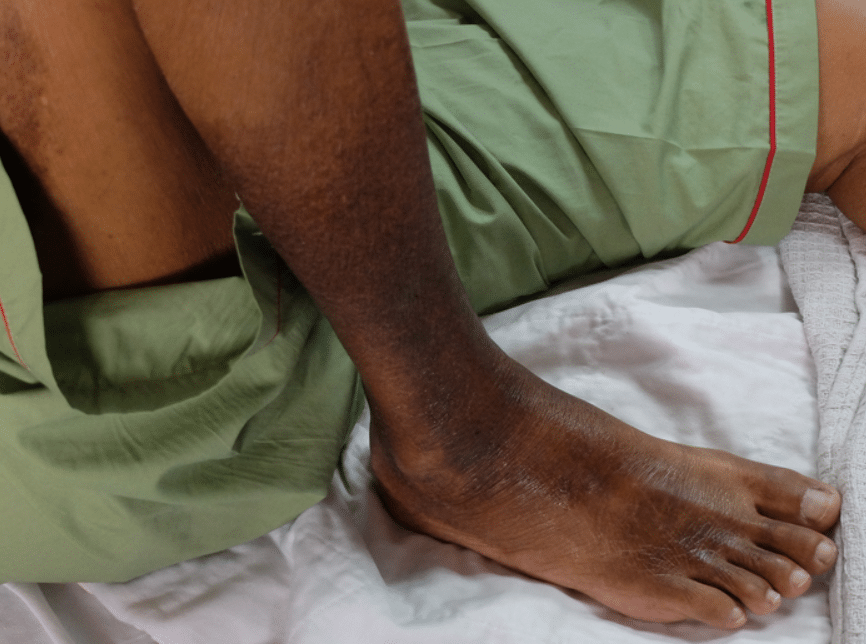
RELATED: African Americans & Deep Vein Thrombosis (DVT): 7 Signs To Look For
The untimely death of BeatKing at just 39 highlights a disturbing trend: more young people, especially within the Black community, are dying from conditions that were once thought to primarily affect older adults. Several factors contribute to this trend:
As the music world mourns the loss of BeatKing, it is a reminder of the importance of understanding health risks and taking steps to protect ourselves. Pulmonary embolism is a silent killer, but with awareness, lifestyle changes, and proper medical care, it is preventable. BeatKing’s legacy will live on through his music, and his death serves as a poignant reminder of the health challenges that many face, particularly in the Black community.
May his contributions to music continue to inspire, and may his passing prompt others to take their health seriously.

By subscribing, you consent to receive emails from BlackDoctor.com. You may unsubscribe at any time. Privacy Policy & Terms of Service.