While Central Park offers a welcome respite from the hustle and bustle of the city, only a few of the people who enjoy it know its true history. The rumors of the land being occupied by squatters are just that. The truth is that a portion of what is now Central Park used to be a prosperous multi-racial community known as Seneca Village.
In fact, there is evidence that the residents of Seneca Village made the most of their community by planting gardens, raising livestock, and fishing in the Hudson River. By 1855, Seneca Village had grown to be a prosperous community with over half of the residents being homeowners. Since it was a privilege for Black people to own property, not many of them qualified for the right to vote as home ownership was one of the criteria. Of the 100 African Americans who were able to vote at the time, 10 of them lived in Seneca Village.
Initially, the people who lived in the area fought to keep their land. Regardless of their feelings on the matter, however, the residents of Seneca Village had to leave their community behind by the end of 1857. As noted by Gracie Heim in the article, Before Central Park came Seneca Village, Black community hidden in the heart of Manhattan for The Wilderness Society, politicians painted a bad picture of the residents as the time to build the park grew near. They were known to describe the community as “shantytowns” that were occupied by “squatters” and “vagabonds”.
It wasn’t until 2001, that a historical marker was placed in the former location of Seneca Village to acknowledge what the proud town used to be.
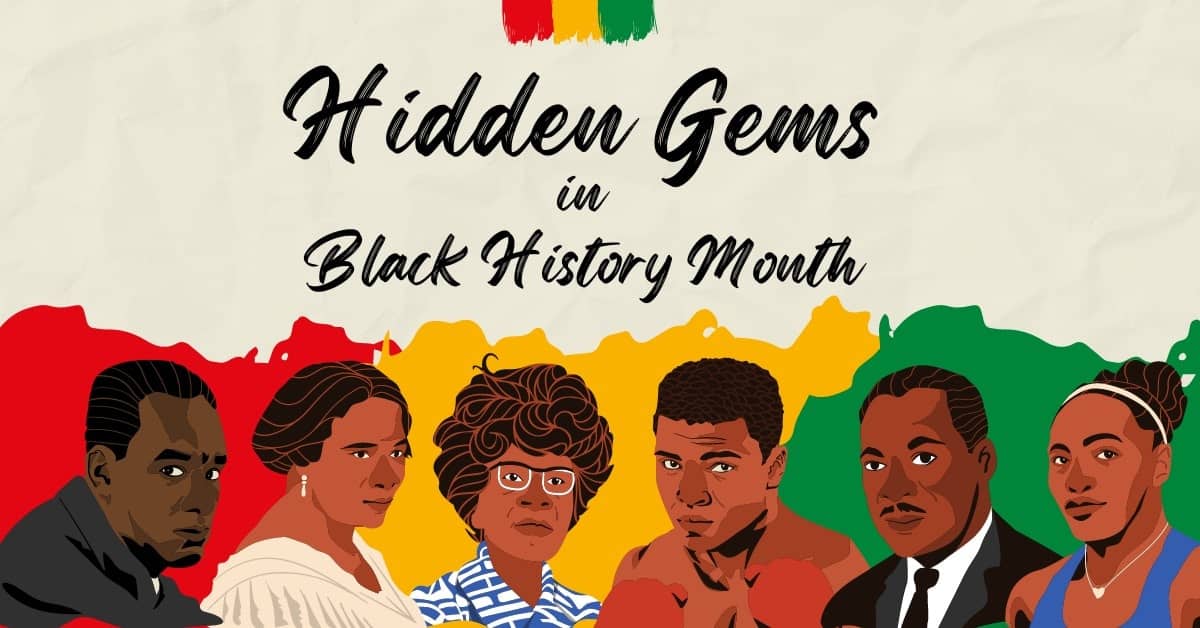
This is a part of our new series – “Hidden Black History” where we highlight uncommon facts throughout Black history. Join us every day in Black History Month for interesting facts about Black people and places that you likely haven’t heard before!


By subscribing, you consent to receive emails from BlackDoctor.com. You may unsubscribe at any time. Privacy Policy & Terms of Service.