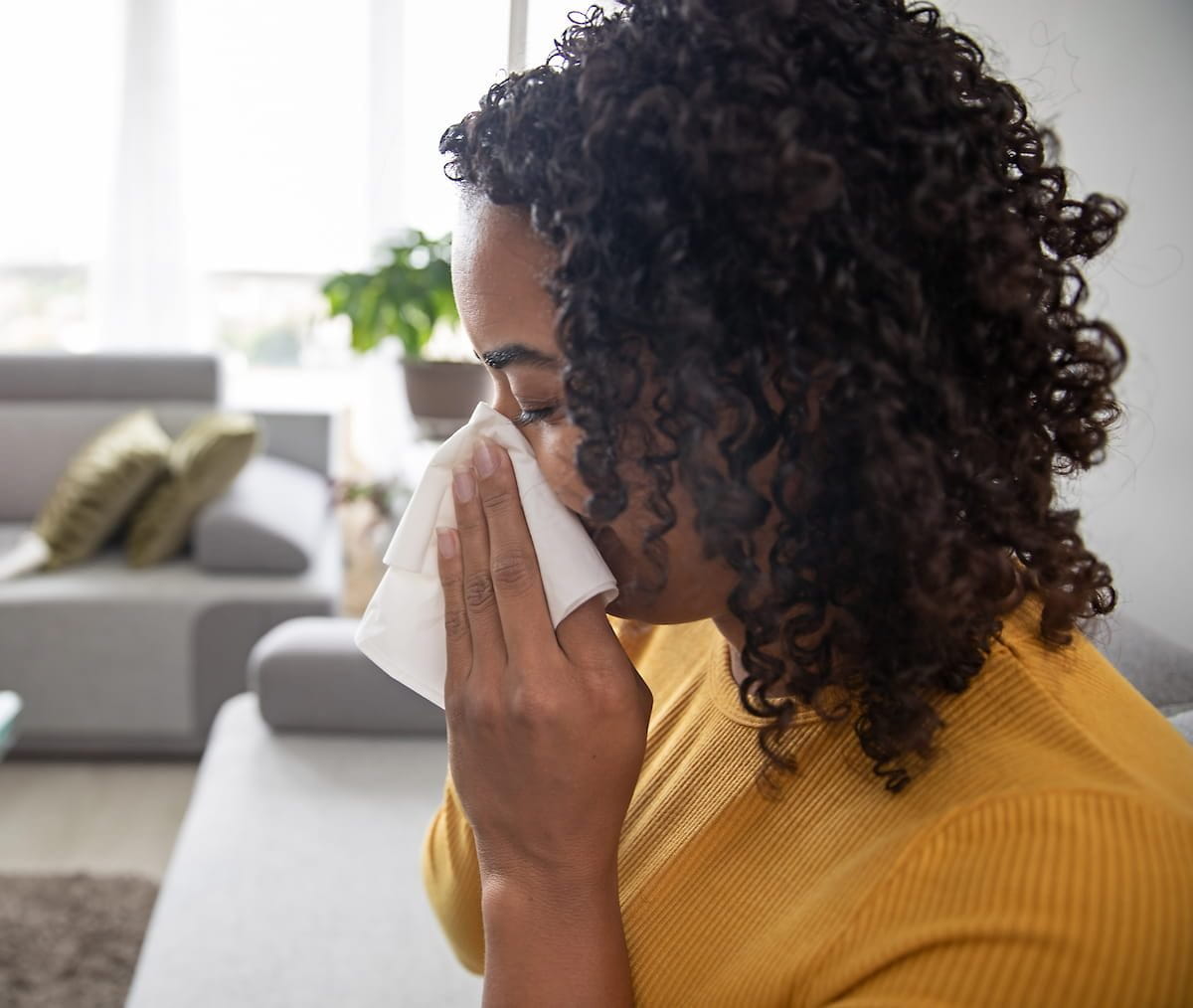
Wheezing. Coughing. Sneezing. And at times, a feeling of absolute dread as you struggle to pull air into your lungs.
If you’ve ever dealt with asthma or asthma-like symptoms, a minor inconvenience can become a potentially life-threatening issue real quickly. In the United States, Black adults are 14% more likely to have asthma than the overall population, and more than twice as likely to die from it.
Sadly, Black children face even worse odds, making them 60% more likely to have asthma and nearly four times as likely to die from it. Emergency room visits and hospitalizations are two to three times higher.
With Asthma and Allergy Awareness Month here, it’s critical that we address these ongoing disparities. For many Black asthma sufferers, so-called “silent” triggers continue to upend their lives.
Let’s change that. Together, we can build personalized asthma action plans filled with smart, small changes that can reduce flare-ups, cut ER visits, and achieve the best possible outcomes.
Here are eight hidden asthma triggers you need to know, and what you can do about them…
RELATED: Keep your Asthma in Check! What to Watch Out for as Seasons Change
It’s not exactly fun to think about, but one of the main indoor triggers in urban Black communities is, in fact, cockroach droppings. Not just their waste products, but their saliva and body parts too, both of which contain proteins that spark severe allergic reactions and asthma attacks. In crowded cities and older homes, these allergens may even persist in dust and air.
Not sure how to identify? Look for little black specks and, particularly, live roaches at night. You may also notice a musty odor, indicating their presence. Symptoms, such as coughing and wheezing, after cleaning up these messes will also cue you into a problem.
The main thing here is hygiene. Clean counters, sinks, and floors daily, and wipe any spills immediately. Store your food in airtight containers, as well, and always take out your trash promptly.
If you have cracks around pipes, cabinets, or baseboards, definitely get them sealed ASAP, as cockroaches will use them as spaces to move through.
And finally, don’t forget to vacuum your place with a HEPA filter every week. Once things are tidied up, you can use bait stations or gel traps in strategic floor corners. These beat sprays, which can also be irritating to asthmatics.
If you start having asthma difficulty that you think is due to cockroaches, immediately leave the room. Use your quick-relief inhaler, and ventilate. Call your doctor if your symptoms don’t ease quickly – don’t delay!
Many older homes have poor ventilation, which can lead to trapped moisture, growth in bathrooms and basements, and even tiny spores floating around in the air.
The quickest way to detect these issues is to smell that familiar musty scent or by noticing black and green spots on walls and ceilings. These will usually worsen symptoms after showers and rainy days.
To address mold, keep your indoor humidity between 30-50%, which you can measure with an inexpensive hygrometer. Likewise, you can use exhaust fans or simply open your windows during a shower or while cooking.
As with many items on this list, always fix leaks within 24-48 hours and dry any wet areas completely. You should also clean visible mold on hard surfaces with soap and water before letting it dry fully. Avoid carpeting in damp areas, as well.
If you start experiencing symptoms, remove yourself from the space, run fans, and follow your action plan. Persistent mold may require professional remediation.
These microscopic bugs absolutely love warm, humid environments and therefore live in all sorts of places, like mattresses, pillows, carpets, and upholstered furniture. Their waste and body parts are potent allergens for many people with asthma.
You’ll notice symptoms, particularly at night or in the mornings, everything from sneezing to wheezing and itchy eyes. If the symptoms ease when leaving the room, it could be mites.
Make sure you regularly wash your sheets, blankets, and pillowcases weekly in hot water at least 130°F and dry on high heat. You should also use allergen-proof zippered covers on any mattresses and pillows. Routine maintenance of your living space is also important. Vacuum all carpets and furniture weekly with a HEPA-filter vacuum, dust your home with a damp cloth, and choose washable stuffed toys if you have kids or pets.
To starve dust mites, keep the humidity in your place low when you can. If you have sudden symptoms, use your rescue inhaler, wash any exposed bedding immediately, and monitor your symptoms.
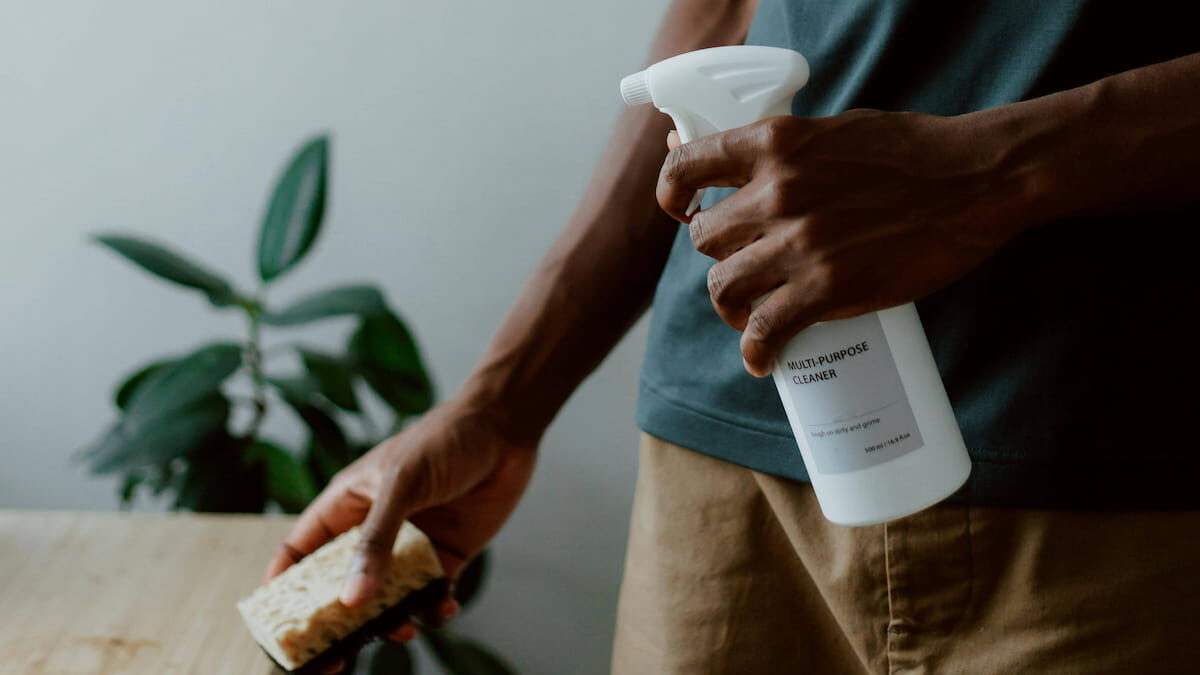
Scented candles, air fresheners, plug-ins, and harsh cleaners all release chemicals that can trigger asthma in over 60% of people with the condition. One study found that ~40% of folks react to air fresheners and scented cleaning products, usually with respiratory issues or full-on asthma attacks.
This is why you should repeatedly check whether your symptoms flare up around perfumes, laundry scents, or freshly cleaned rooms. If so, switch to fragrance-free detergents, cleaners, and personal care items. Also, replace your fresheners and candles with baking soda or white vinegar. They’re good alternatives and will help get the job done.
When cleaning, open the windows and opt for unscented products. Also, ask your family members and coworkers if they don’t mind going fragrance-free around you. It’s a small ask for your ability to breathe!
When symptoms inevitably occur, step outside for fresh air, use your inhaler, and permanently remove the product from your space.
RELATED: 10 Healthy Habits That Alleviate Asthma Symptoms
This varies from person to person, but for some, it can be truly life-threatening. In many cases, elevated cortisol and adrenaline from ongoing stress actually tighten airway muscles and fuel inflammation. When this happens, it creates a vicious cycle where breathing trouble increases anxiety.
In fact, symptoms typically worsen during high-pressure periods at work, at home, or with family duties.
The first thing you should do is practice controlled breathing. For instance, inhale slowly for 4 counts, hold for 4, exhale for 6.
Healthy daily habits also help. Build daily habits like walking, yoga, or short meditation sessions to release some of that tension. If you feel constantly overwhelmed, there’s no shame in delegating tasks and setting boundaries to prevent burnout.
Last but not least, talk to a counselor or join a support group for managing your stress. It can go a long way in getting your asthma under control, and if you can’t avoid your triggers and suffer an attack, remove yourself from the situation and practice your calming techniques. Be sure to notify your doctor if your attacks are frequent or severe.
You don’t have to be a smoker to experience negative effects. Even occasional exposure to cigarette smoke or e-cigarette aerosol irritates the airways. Turns out, there is no safe level—residue lingers on clothes, furniture, and walls for quite some time.
If you have symptoms after being around smokers or recent vaping, even outdoors, step away from the setting right away. Use your inhaler as recommended and keep an eye on your condition for worsening symptoms.
The best thing you can do is make your home and car 100% smoke- and vape-free. Don’t be hesitant in asking visitors to smoke outside and possibly even change clothes before entering. Just make sure you’re washing fabrics and airing out rooms regularly. It’s one of the simplest steps you can take to ensure fresh, clean air.
If you’re not using ventilation when you fry, grill, or turn on gas stoves, the problems can compound quickly. That’s because this releases nitrogen dioxide and particulate matter, thereby inflaming your lungs and increasing your ER visit risk – sometimes substantially.
You’ll know it’s due to cooking because the symptoms come on right afterward.
Fortunately, the remedies are pretty easy. Use exhaust fans vented outdoors while cooking, and definitely open windows too. If you can, choose electric stoves or air fryers. Your gas appliances should be well-maintained, and you should never use your oven for heat.
When you cook, cook on the back burners under the fan. If your asthma is triggered, turn off all appliances, ventilate, and get away from the source, using your rescue inhaler as necessary.
Believe it or not, your hormones can actually affect your asthma symptoms. When estrogen and progesterone levels drop just before or during periods, they can worsen symptoms in many women. Perimenopause, the four to 10-year transitional phase before menopause, brings similar shifts.
Just make sure you observe monthly patterns where asthma flares coincide with your cycle. A good way to do this is to track symptoms and periods in a journal or app. You can additionally discuss pre-period medication adjustments with your doctor. As long as you maintain consistent controller meds year-round and actively monitor your symptoms, you can enjoy a significant decrease in challenges.
By embracing the steps outlined in this article, positive outcomes are more likely than ever. Take back your health, one step, one suggestion at a time, and make those nasty triggers a thing of the past!


By subscribing, you consent to receive emails from BlackDoctor.com. You may unsubscribe at any time. Privacy Policy & Terms of Service.