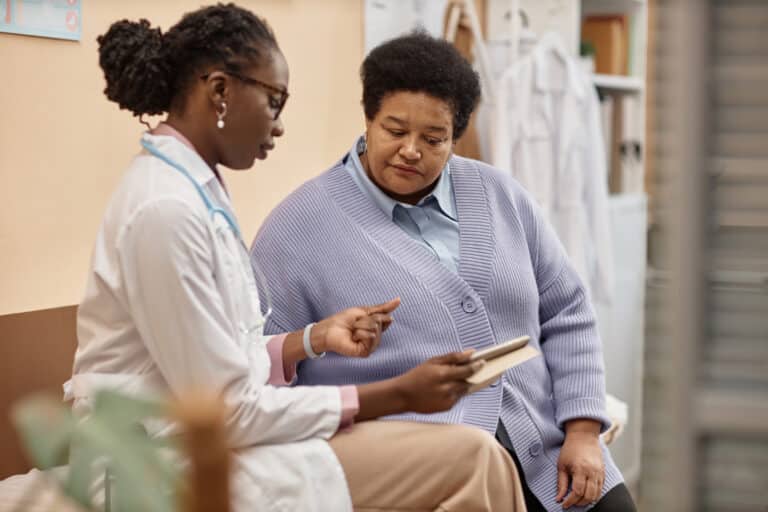
Blood cancers, such as leukemia, lymphoma, and multiple myeloma, disproportionately affect Black Americans. According to Dr. Ruemu Birhiray, a hematology-oncologist at American Oncology Partners in Indianapolis, Black people make up about 14 percent of the U.S. population but account for 20 percent of multiple myeloma patients. Despite this higher risk, only around 5 percent of clinical trial participants are Black Americans. This lack of representation in clinical trials can have significant consequences for the Black community. BDO’s clinical trial editor, Taylyn Washington-Harmon hosted Dr. Birhiray for a live discussion on what needs to be changed.
Genetic and biological differences across races can influence how individuals respond to medications. A safe and effective drug in one population may not have the same results in another. By failing to include diverse populations in clinical trials, researchers may miss crucial data on how a particular treatment works in different ethnic groups.
“If we do not participate in clinical research and people like us are not evaluated, what will happen is that we really do not know that a particular drug either is safe or works in people like us,” explains Dr. Birhiray.
Without this critical information, doctors may unknowingly prescribe treatments that are less effective or even harmful to Black patients. Additionally, the lack of data on how drugs interact with genetic variations more common in certain ethnic groups can lead to incorrect dosing or missed side effects.
Many Black Americans are hesitant to participate in clinical trials due to a justified mistrust of the medical establishment. Historical events, such as the infamous Tuskegee Syphilis Study, have understandably made some wary of being treated as “guinea pigs” in research studies.
However, Dr. Birhiray emphasizes that modern clinical trials are highly regulated and have numerous safeguards in place to protect participants. Potential side effects are closely monitored, and studies can be halted if unexpected risks arise.
“There are regulations that we must follow,” he explains. “If there are side effects, we must report it. If you’re doing a study, for example, and you find out that the drug was more toxic than you anticipated during the course of the study, there are built-in mechanisms that will stop the study before the study even gets to completion so that you don’t hurt people in the process of doing a study.”
While participants in clinical trials may directly benefit from receiving an experimental treatment, Dr. Birhiray stresses that the primary motivation should be altruistic and showing concern for the welfare of others.
“The number one reason why you should participate is because you’ve been altruistic,” he says. “You were saying to yourself, ‘I may not get a benefit from this drug, but mankind will get information that will help the next patient.'”
By contributing to the advancement of medical knowledge, clinical trial participants help pave the way for future breakthroughs that could save countless lives.
Increasing Black representation in blood cancer clinical trials is crucial to ensuring that new treatments are safe and effective for all populations. Organizations are working to educate and empower the Black community to advocate for themselves and participate in research studies.
“We as a people are no longer viewed as the people who refuse to participate in clinical trials,” says Dr. Birhiray, “but rather we should be advocates for ourselves, understanding [the] safety mechanisms that are built in to make sure that trials are done safely.”
By closing the gap in clinical trial participation, Black Americans can play a vital role in shaping the future of cancer care and improving outcomes for generations to come.


By subscribing, you consent to receive emails from BlackDoctor.com. You may unsubscribe at any time. Privacy Policy & Terms of Service.