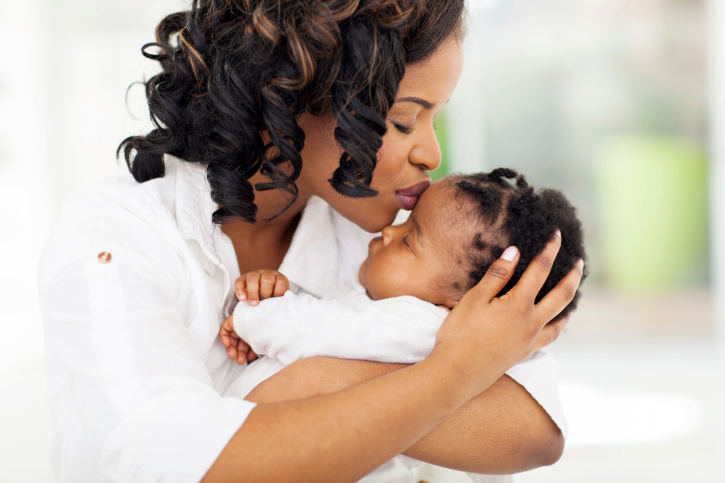
If you’re pregnant or have recently given birth, you should be screened for depression, a new U.S. Preventative Task Force recommendation says.
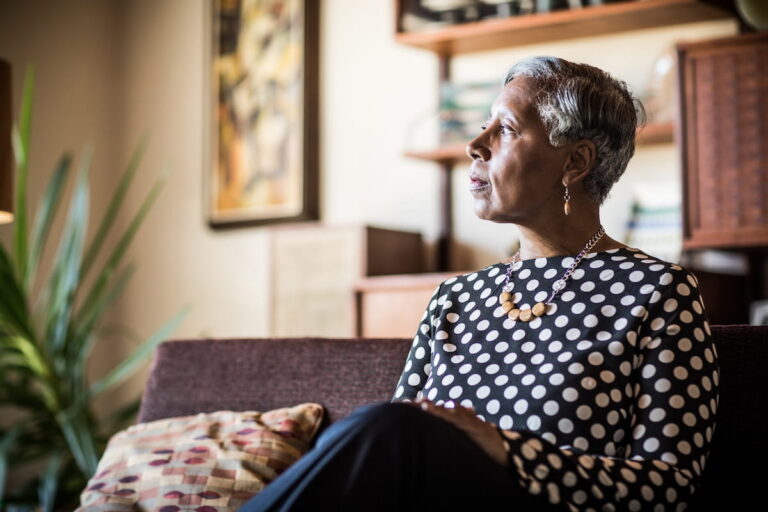
Depression during pregnancy and postpartum is real — even if it isn’t a popular topic in the Black community. It is a dangerous condition that the American Congress of Obstetricians and Gynecologists says affects between 14-23 percent women at some point in their pregnancy. It may be brought on by many factors such as the stress of the pregnancy itself or even a relapse of past depression, but it often goes undiagnosed and can be mistaken for hormonal imbalance.
READ: Postpartum Depression: What Every Black Mom Needs To Know
Every woman should be screened during this time when depression can affect her child, too. Screening, the recommendation says, reduces depression symptoms in mother and child because it gives the mother time to set up a needed support system.
Tamera Mowry-Housley, host of “The Real,” is one star who has openly shared her history of depression. When the actress had her first child, she says was able to avoid postpartum depression through preparation.
“I was so worried that I was going to get it because I have experienced depression before, and let me just tell you that it is no fun at all (obviously),” Mowry-Housely said in a 2013 blog post. “It’s a very scary situation to go through, and I was especially worried about going through it again after having Aden. Luckily, I didn’t get it – but, I did do enough research to feel like I would be prepared if I did.”
READ: The New Face Of Depression: The “Strong” Black Woman
When Nicole Watson, a mother of two, started crying uncontrollably after her second birth, she knew something was wrong. The licensed clinical social worker had a history of miscarriages so when her second child had complications, the experience left her in a state of post-traumatic stress — one that she luckily noticed because of her clinical background.
“I definitely think that they should screen during pregnancy because if you have a history of miscarriages, having a successful pregnancy can be really hard because you’re really worried: Is the baby okay? Did I make it today? Did the baby kick today? Having had a miscarriage, all of those things are very present.”
Although a depression screening should be done by a medical professional, here are some ways to alleviate stress and anxiety before and after childbirth.
If you are diagnosed with depression while pregnant, your doctor will likely try to avoid medication in less severe cases to protect the fetus, but there are still some good practices to implement:
1. Change up your diet.
Cutting out caffeine, sugar, processed carbohydrates and artificial sweeteners can positively affect your mood.
READ: Blood Test May Help Rule Out Pregnancy Complications, Says Study
2. Try acupuncture.
Acupuncture can reduce depression symptoms when antidepressants aren’t safe, according to a study by researchers at Stanford University School of Medicine.
3. Supplement with mercury-free fish oil.
Omega-3 fatty acids, specifically EPA and DHA, already add to a baby’s growth and development, but adding fish oil supplements to your prenatal care can also decrease depression symptoms. Just make sure it’s mercury-free.
Depression is often treated with psychotherapy and if needed, antidepressants after you’re no longer pregnant. But, there are some good practices to implement into your post-pregnancy routine:
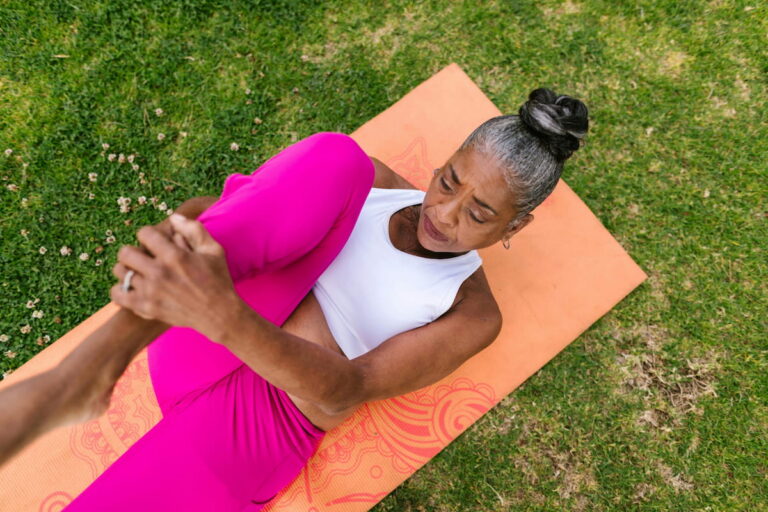
1. Get physical.
Exercise is a natural antidepressant. It releases your natural feel-good chemicals such as endorphins and serotonin, which stabilize your mood and lessen depression symptoms. Going outside for a walk with your baby or popping in a workout DVD during his or her naptime can help.
READ: Putting An End To These 5 Common Pregnancy Myths
2. Schedule time for yourself.
Although it’s easier to say than it is to actually do it, set aside some time for yourself to be alone. Seek whatever resources you’ll need to ensure that it happens often by asking family and friends. Getting a babysitter for a weekly Monday night yoga session or having dad take over at the same time every night while you refresh can make a difference in your mood and stress level.
3. Lean on someone.
When it comes to postpartum depression, you’re not alone. Up to 19 percent of women reported suffering from postpartum after giving birth, according to the Centers for Disease Control and Prevention, and that doesn’t include the women who suffer without seeking help. Aside from discussing your symptoms with family, friends, and your doctor, consider joining support groups or online forums to connect with other women who understand exactly how you are feeling.
For more information and resources for healthy pregnancy, click here.


By subscribing, you consent to receive emails from BlackDoctor.com. You may unsubscribe at any time. Privacy Policy & Terms of Service.