Having gone through the cancer battle with family, clients and friends, I’ve learned that there are some aspects of the battle that it’s best to deal with beforehand, before it becomes overwhelming.
This includes the loss of your hair.
A Naturally Devastating Experience
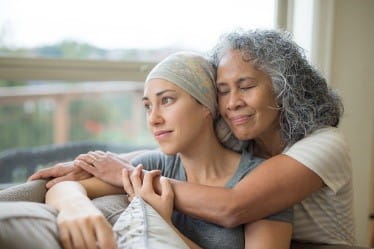
One of the most difficult aspects of treatment is the devastation of hair loss during chemotherapy. My good friend expressed that the hair loss was almost worst than dealing with the cancer itself. For her, every time someone asked her about the hair loss, she had to relive the pain of coping with cancer itself. As a strong woman coping daily with her disease, she found that providing the explanation and seeing the look of sadness and awkwardness of others, made her really hate the hair loss even more.
For her, it was as if the hair loss was the general announcement of her disease, opening a door she would close over and over again. As a Hair Trauma Expert, I’ve decided to have a pro-active plan of action for anyone facing this battle, designed to provide greater understanding for what exactly happens to hair, as well as ways to minimize the emotional effect.
SIGN UP FOR OUR NEWSLETTER HERE!
Hair Loss with Chemotherapy versus Radiation Therapy
Because of advancements in drug therapy, individuals undergoing chemotherapy or radiation experience fewer side effects than before. Nevertheless, chemotherapy comes with more severe side effects than radiation because all of the cells in the body may be affected by the drug being used.
Why Does Chemotherapy Cause Hair Loss?
Chemotherapy drugs are designed to kill rapidly growing cells. Our hair follicles divide rapidly, at a similar pace as that of cancer cells and are unfortunately affected by chemotherapy as well.
When Does Hair Loss Occur During Chemotherapy?
Hair loss often begins 10 to 14 days after starting chemotherapy. Your hair may thin gradually, or fall out rapidly in clumps. Many people are surprised that hair loss is frequently not limited to hair on your head, but can affect eyebrows, eyelashes, body hair, and even pubic hair. Hair loss is usually not permanent, and begins to re-grow 4 to 6 weeks after completing chemotherapy. Your hair may come back a different color or texture than before chemotherapy.
Before Your treatment Begins:
• Consider cutting your hair. Short hair tends to look fuller than long hair. As your hair falls out, it won’t be as noticeable if you have short hair.
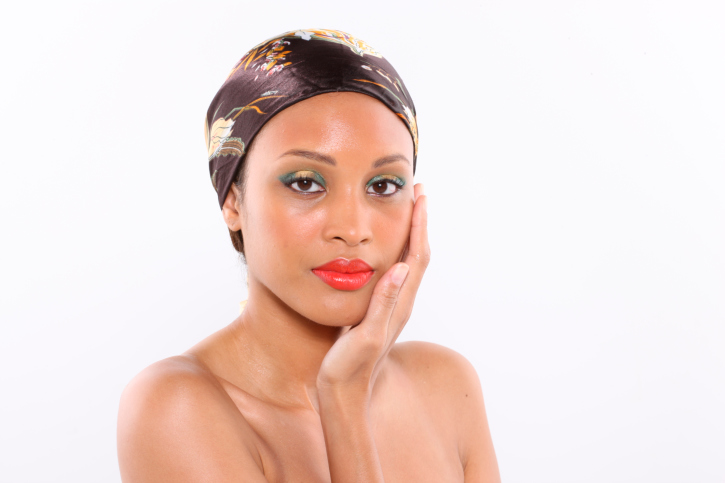
• Plan ahead. Now is the time to start thinking about wigs, scarves or other head coverings. Whether you choose to wear a head covering to conceal your hair loss is up to you. Ask your doctor to write a prescription for a wig, since the cost may be covered by your health insurance.
READ: Foods That Fight Breast Cancer
During treatment:
• Don’t use chemicals such as relaxers, permanent hair color or harsh shampoos.
• Consider shaving your head. Shaving your head gives you back some power to determine an outcome in this process, you to take control of at least this aspect of your life. Some people report that their scalp feels itchy, sensitive and irritated during treatment and while their hair is falling out. Shaving your head can reduce the irritation and save the embarrassment and the feeling of emotional helplessness and loss that occurs during shedding. A shaved head might be easier for securing a wig or hairpiece.
• Protect you scalp. If your head is going to be exposed to the sun or to cold air, protect it with sunscreen or a head covering. Your scalp may be sensitive as you go through treatment, so extreme cold or sunshine can easily irritate it even more. Having no hair or having less hair can make you feel cold, so a head covering may make you more comfortable.
After treatment:
• Be patient. It’s likely that your hair will come back slowly and that it might not look normal right away. Growth takes time, and it also takes time to repair the damage caused by your cancer treatment. Only when the cells begin to repair and rejuvenate can the hair begin to re-grow.
• Pamper your hair and skin. Indulge in a healthy hair diet rich in proteins, iron, zinc and foods rich in vitamin C. Be sure to include all the B family especially biotin. This combination will promote health and carry oxygen and nutrients to all body cells, including the follicles that help promote healthy hair growth.
Options & Resources
Seek out qualified beauty professionals to assist you before and during your hair loss and re-growth experience. Quality, natural looking wigs are available should you choose that path. Once your treatment is complete allow 6 – 8 weeks before hair will begin to re-grow.
Still have questions? [email protected]
Visit the BlackDoctor.org Cancer center for more articles.
Jacqueline Tarrant is a beauty expert, consultant, columnist, founder & CEO of Style Infinity Products & The Hair Trauma Center in downtown Chicago. Jacqueline Tarrant has pioneered effective methods to help men & women re-grow hair with her multi-layered approach to hair loss, known as Quadra-Follicle Stimulation. Jacqueline’s expertise on hair care and hair health is expressed monthly in national columns that reach millions through various publications. With numerous Style & Beauty appearances nationwide on Good Morning America, NBC, CBS, & the Fox Network; Jacqueline’s credits also extend throughout print in such publications as Seventeen, Cosmopolitan, Essence & the Wall Street Journal.
Her reputation as a renowned Educator, Trainer and Platform Artist has taken her throughout Canada, Europe, Africa, South America and the Caribbean.


By subscribing, you consent to receive emails from BlackDoctor.com. You may unsubscribe at any time. Privacy Policy & Terms of Service.