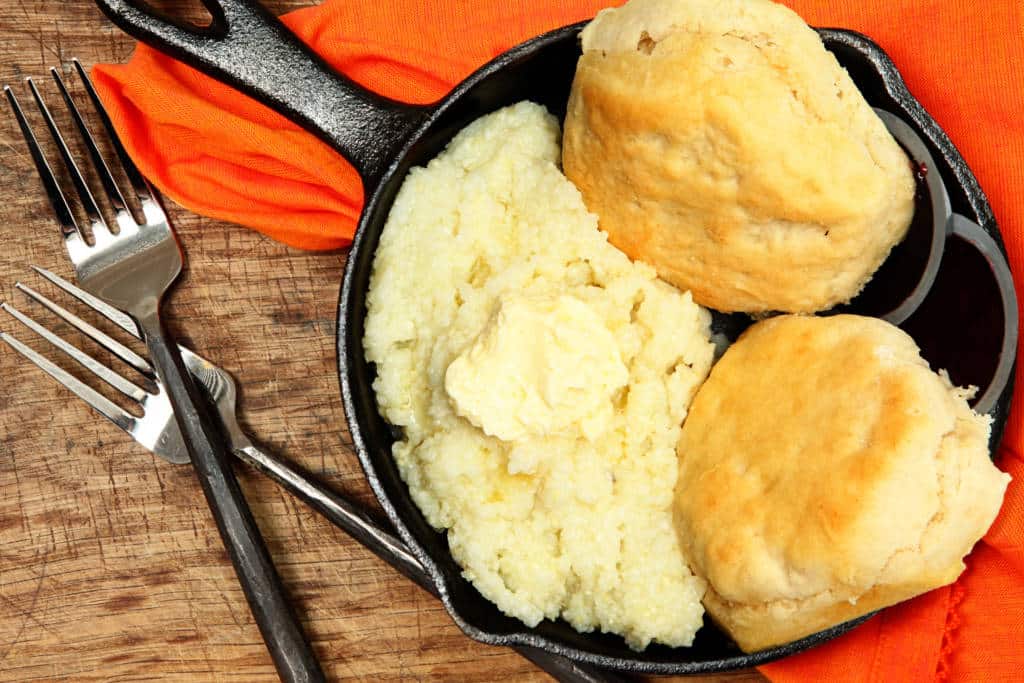
Grits are made of hominy — small, ground chips of dried corn and considered a classic southern food. The texture resembles a loose polenta; both regular and instant-type grits are available, and common preparation includes water or milk. You can eat them plain, which is the healthiest way to consume them, but many of us add butter, salt, sugar and/or cheese to flavor our grits.
Oatmeal is made from harvested oat grain. Nutritionists often praise oatmeal for being high in fiber, low in calories and rich in vitamins, minerals and protein, but you can also get nutritional benefits from eating enriched grits for breakfast. Once again, eating it plain is the healthiest way, but there’s a great number of people that add milk, spices, butter and/or sugar.
RELATED: The Oatmeal Hack That Will Add More Time (And Fiber!) To Your Week
Featured on BlackDoctor
Here we look at 5 different areas to determine which one is better for you- Grits vs Oatmeal:
A cup of cooked grits contains 182 calories and 1 gram of fat, giving you 9 calories from fat. Although the same amount of cooked oatmeal has 166 calories, it contains 3 grams of fat per serving, increasing the amount of fat calories to 27. If you are trying to lose weight, eating grits is a better way to get a full feeling without consuming excessive fat calories. These figures refer to plain grits and oatmeal.
Adding butter, milk, sugar or salt can increase the amount of fat and calories significantly, so keep these additives to a minimum. Sprinkling a calorie-free sugar substitute or a pinch of cinnamon onto your cereal can flavor your cereal while keeping it nutritious.
TAKE A LOOK: How To Upgrade Your Oatmeal To Make Life Easier
According to the University of Maryland Medical Center, getting an ample amount of vitamin B-6 may help prevent carpal tunnel, rheumatoid arthritis or vision problems, such as macular degeneration.
B-6 aids your body’s production of serotonin, a chemical that may enhance your mood or even prevent depression. The Institute of Medicine’s Food and Nutrition Board recommends that adults get 1.1 to 1.4 milligrams of vitamin B-6 per day.
A cup of enriched cooked grits gives you .46 milligrams of vitamin B-6, while the same amount of oatmeal contains .68 milligrams, so both cereals are rich sources of this nutrient.
Eating plain grits adds 127.5 mg of sodium to your diet; however, the common practice of salting grits means this dish is likely to…
…include more. In an effort to keep your sodium intake to recommended levels — 1,500 mg for those with a heart problem or 2,300 mg for healthy people — consider using salt substitutes, herbs or spices to flavor your grits.
Folate Content
Enriched grits are a good source of folate, a B vitamin that helps your body produce DNA, keeps new cells healthy and may prevent cancer and anemia.
The average adult needs 400 micrograms of folate per day, according to the Institute of Medicine, but to reduce the risk of neural tube defects such as spina bifida and anencephaly, a pregnant woman needs 600.
A cup of grits gives you 98 micrograms of folate, more than five times the amount that oatmeal provides.
Nutrition For Athletes
Grits may be more beneficial than oatmeal to athletes. A cup of grits contains 38 grams of carbohydrates, which can keep you energized throughout strenuous activities, while a cup of oatmeal provides 27 grams.
Grits are a richer source of leusine, an amino acid that, according to the American Society for Nutritional Sciences, may enhance muscle endurance and help your body store glycogen, a polysaccharide that gives your muscles energy.
So at the end of the day, which one do you choose?


By subscribing, you consent to receive emails from BlackDoctor.com. You may unsubscribe at any time. Privacy Policy & Terms of Service.