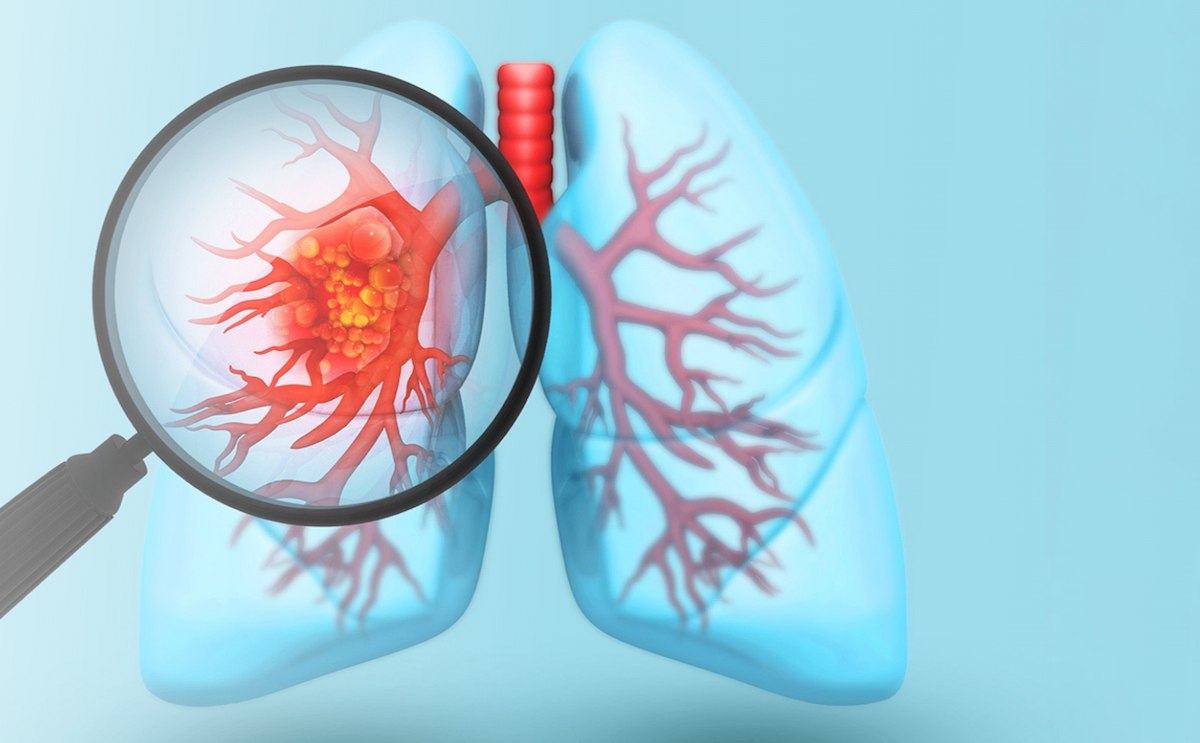
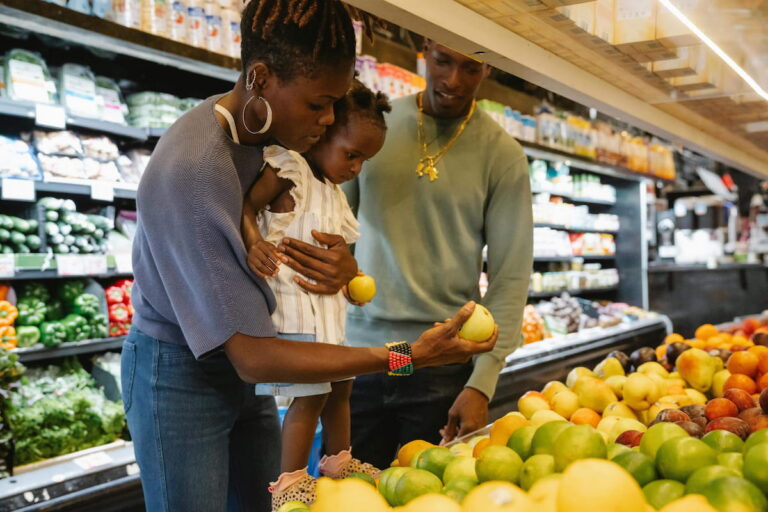
Are you looking to keep your blood sugar levels in check and feel fuller for longer? Meet GLP-1, your new best friend in the fight against diabetes and weight management. This powerful hormone is triggered by certain foods, and we’ve got the lowdown on the delicious options that can help boost your GLP-1 levels. Say goodbye to sugar spikes and hunger pangs, and hello to a healthier, more satisfied you!
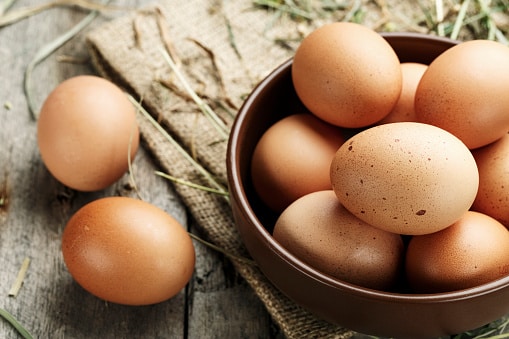
Eggs are a nutrient powerhouse, rich in protein and monounsaturated fats, which can stimulate GLP-1 secretion. Research shows that meals containing eggs can lead to lower blood glucose levels, reduced hunger, and increased satisfaction. Try starting your day with a veggie-packed omelet or a simple boiled egg for a quick and nutritious boost.
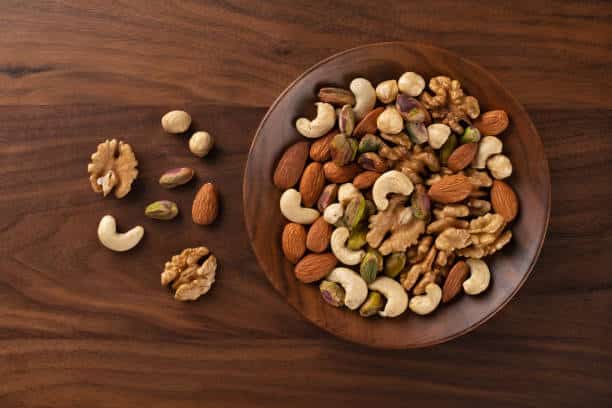
Almonds, pistachios, and peanuts are tasty and great for boosting GLP-1 levels. Packed with protein, fiber, and healthy fats, nuts can keep you full longer and support GLP-1 secretion. Snack on a handful of mixed nuts or add them to your salads for an extra crunch.

Whole grains like oats, barley, and whole wheat are rich in soluble fiber, which slows down digestion and triggers the release of GLP-1. Start your day with a bowl of oatmeal topped with fresh fruits and nuts for a fiber-rich breakfast that will keep you satisfied until lunchtime.
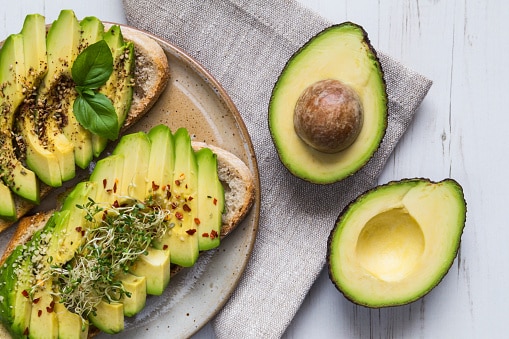
Creamy and delicious, avocados are high in fiber and monounsaturated fats, which can increase GLP-1 levels. Studies have shown that consuming avocados can lead to higher GLP-1 levels and reduced insulin levels. Add slices of avocado to your sandwiches or salads for a healthy and filling meal.
RELATED: The 10 Best Foods For Diabetes

Swap saturated fats for olive oil to stimulate GLP-1 release. Regular consumption of olive oil has been linked to increased GLP-1 secretion, improved insulin sensitivity, and lower blood glucose levels. Use olive oil for cooking or as a dressing for your salads to reap its health benefits.

Load up on vegetables like Brussels sprouts, broccoli, and carrots, which are high in fiber and vitamins, and can regulate blood sugar levels. Consuming vegetables before carbohydrates has been shown to impact glucose and GLP-1 levels in individuals with type 2 diabetes. Try roasting or steaming your veggies for a tasty and nutritious side dish.

Skip the soda and sweetened teas, as they can lead to rapid spikes in blood sugar levels, which may negatively impact GLP-1 secretion. Opt for water, herbal tea, or unsweetened beverages instead.

Say no to highly processed foods, as they often contain high levels of refined carbohydrates and unhealthy fats, which can disrupt blood sugar levels and reduce GLP-1 production. Choose whole, unprocessed foods whenever possible.

Put down the candy bars and cookies, as they can cause rapid increases in blood sugar levels and may reduce GLP-1 secretion.

Avoid foods high in trans fats, such as fried foods and baked goods, as they can impair insulin sensitivity and reduce GLP-1 secretion.
RELATED: Power Foods For Diabetes

While moderate alcohol consumption may not significantly affect GLP-1 levels, excessive alcohol intake can lead to blood sugar imbalances and reduce GLP-1 production. Limit your alcohol intake and choose healthier beverage options.
Research suggests that dietary changes that promote the body’s natural release of GLP-1 could be beneficial for managing obesity and type 2 diabetes. Including foods that increase GLP-1 levels in your diet and avoiding those that may reduce GLP-1 secretion can help manage diabetes and promote satiety. So, next time you’re planning your meals, remember to include these GLP-1 boosting foods for a healthier you!


By subscribing, you consent to receive emails from BlackDoctor.com. You may unsubscribe at any time. Privacy Policy & Terms of Service.