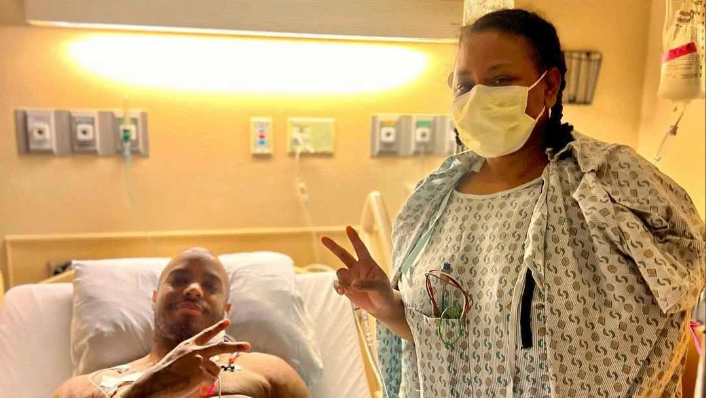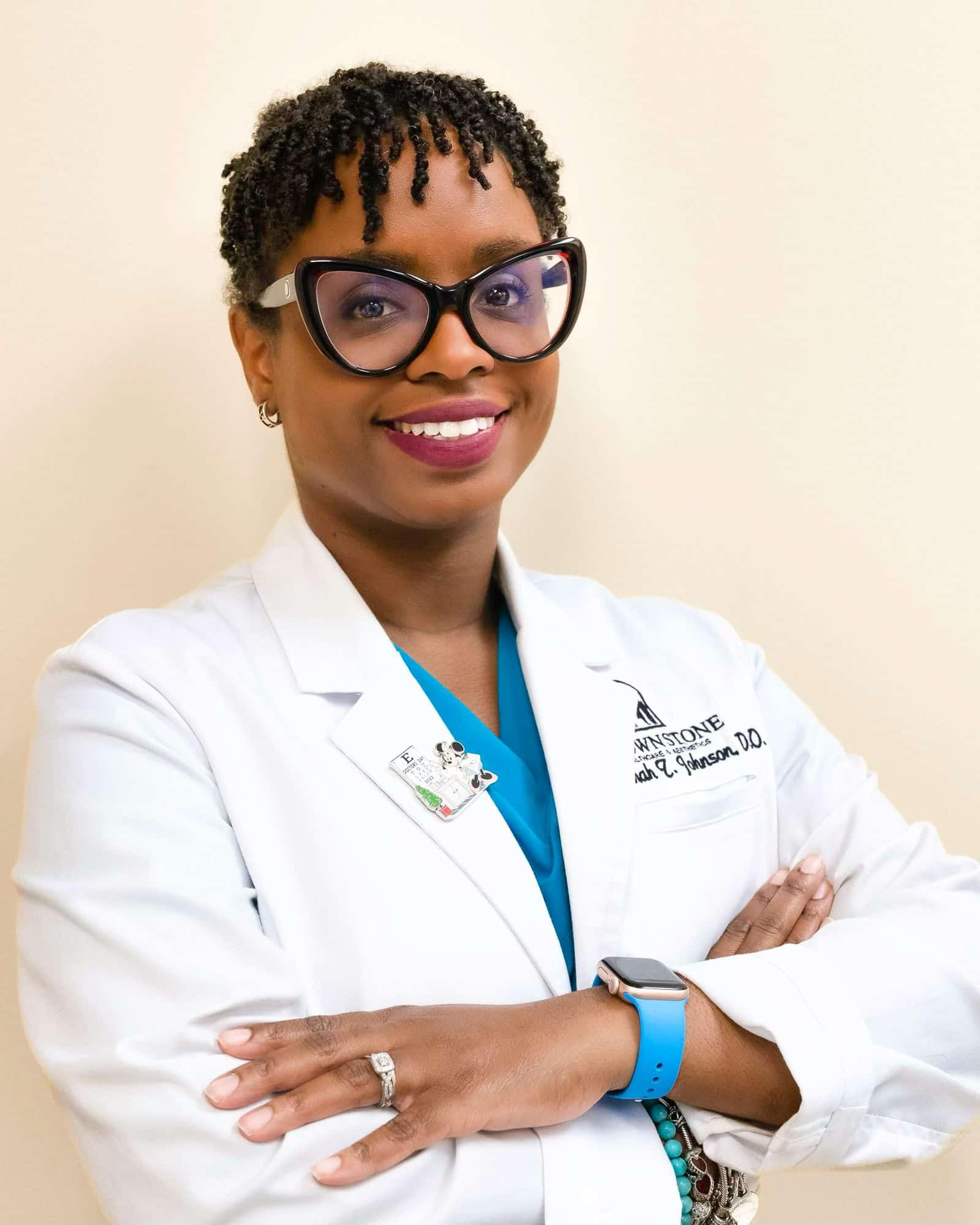
Dr. Ankrehah Trimble-Johnson, also known as Dr. Kre, is a dynamic force in the ongoing battle against HIV and AIDS, particularly within the Black community. A board-certified family medicine physician, international public speaker, life coach, wife, and mother, Dr. Kre has dedicated her career to raising awareness, engaging communities, and advocating for improved prevention measures. As the Medical Director of the Living Well PrEP Clinic, she is on the frontlines, working tirelessly to combat HIV.
Dr. Kre’s journey in medicine began with earning her Doctorate of Osteopathic Medicine from Kansas City University of Medicine and Biosciences. She completed her residency at St. Vincent’s East Hospital in Birmingham, Alabama. In addition to her role at the Living Well PrEP Clinic, Dr. Kre is the sole owner of Brownstone Healthcare & Aesthetics and the Medical Director of the City of Birmingham’s Employee Health Clinic, Brownstone Bwell Birmingham. Her leadership and dedication were recognized in 2020 when she was inducted into the Birmingham Business Journal’s Top 40 Under 40. She has also been honored by B-Metro Magazine as one of the Top Doctors in Medicine, Top Women in Medicine, and received the Trademark Women of Distinction Honors.
Dr. Kre’s approach to HIV care was profoundly influenced by her experience with her first HIV-positive patient during her residency.
“There was a lot of stigma, even among my teachers, who advised against immediately telling the patient. I went against this advice and informed the patient, who was grateful. This experience showed me the importance of honesty and advocacy, shaping my approach to HIV care,” Dr. Kre tells BlackDoctor.org.
RELATED: The HIV Test: Basic Facts You Need To Know
“It is crucial that we treat HIV testing like any other routine check-up, such as cholesterol tests. We need to be tested regularly, especially when we get new partners. Showing proof of negative status is important, even in monogamous relationships. African American women, in particular, are at higher risk for contracting HIV, so it’s essential to get tested when visiting an OB-GYN, regardless of relationship status,” Dr. Kre tells says.
Unfortunately, the road to adequate HIV/AIDs care isn’t always straightforward. The Black community faces unique challenges in combating HIV, primarily due to stigma and financial constraints.
“Some of the barriers include stigma and fear of a positive result. Many people worry about being judged by their community and family. However, today’s medications are highly effective, and there are many free or income-based clinics available. Programs exist to provide medications for free or at a low cost, even if you don’t have insurance. Partnering with a great healthcare facility or organization focused on HIV can help overcome these barriers,” Dr. Kre adds.
Destigmatization is another key to improving HIV prevention and care, and as Dr. Kre notes it starts with normalizing conversations about HIV and shifting the focus from “risk” to “reasons” for testing.
“Normalizing these discussions from a young age, starting with teenagers, can help remove the stigma and make it a routine part of health conversations,” she shares.
Recent advancements have made it possible for those with HIV to live full and healthy lives. Dr. Kre is particularly excited about the introduction of injectable treatments for HIV and PrEP (pre-exposure prophylaxis). These injections, administered every other month, offer an alternative to daily pills, making adherence easier for patients. This advancement could significantly improve the quality of life for those living with HIV.
However, access to care remains a significant obstacle.
“The medical field is constantly evolving, and unless doctors continually educate themselves about HIV, they may not be equipped to provide the necessary care. This lack of specialized knowledge among general practitioners can limit access to proper treatment for patients,” Dr. Kre says.
Dr. Kre also believes that marketing efforts for HIV prevention need to be more inclusive. Current advertisements often target specific demographics, such as men who have sex with men and transgender individuals. She argues for broader marketing that shows PrEP as a viable option for everyone, regardless of gender or sexual orientation.
The Living Well PrEP Clinic has made a significant impact by helping many HIV-positive individuals achieve undetectable status. The clinic offers evening hours to accommodate those who cannot visit during the day, ensuring that more people have access to care and medication.
As Dr. Kre continues her work in HIV care, her primary goal is to increase the number of Black women on HIV prevention medication.
She also aims to inspire more young professionals to engage in raising awareness about the barriers to HIV and AIDS care in marginalized communities.
“Take extra courses and seek out additional training. Don’t shy away from treating HIV because you’re uncomfortable or unsure. There are resources and a community of physicians who can support you. It’s important to stay informed and continue learning,” she advises.
To learn more comprehensive information on HIV, including research, education, and donation opportunities, Dr. Kre recommends aids.org and aidsalabama.org.


By subscribing, you consent to receive emails from BlackDoctor.com. You may unsubscribe at any time. Privacy Policy & Terms of Service.