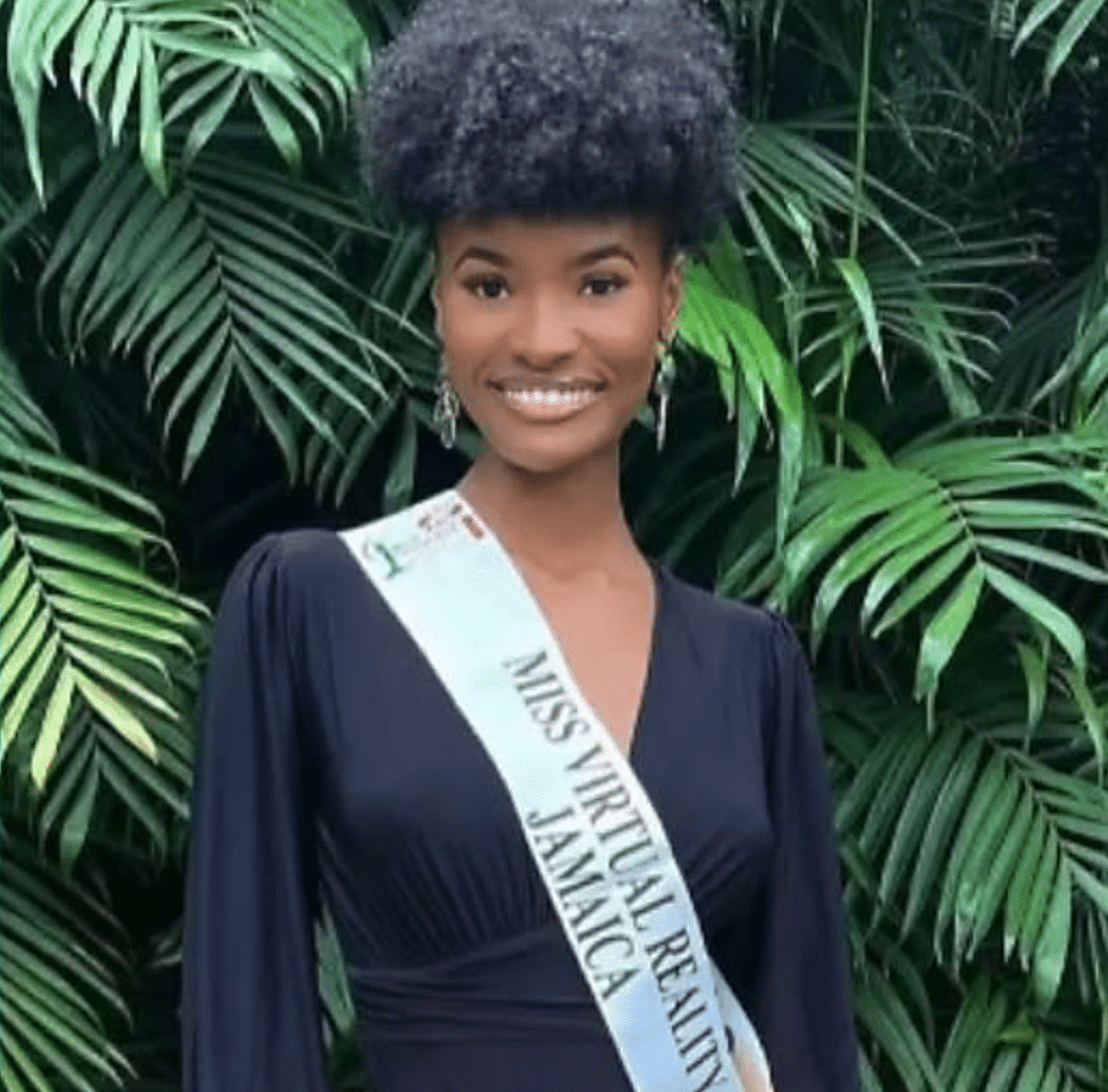
Weeks before her death, Spaulding openly shared her mental health battle on YouTube. According to Us Weekly, in a video posted September 4, she described feeling locked in a constant fight with her own thoughts.
“I resigned from my 9 to 5 job, but it was a terrible decision because my mental health just took up plummeted,” she said in a video posted on Aug. 31. “And guys, I was at the point where I made a plan to kill myself, so anybody on air, considering [leaving your job] just don’t don’t do it.”
In another video posted on Sept. 5, she said, “I’m fighting for my life over here. I feel like I need to go out and do something because my mind is trying to kill me. And if I do nothing, I am going to die … I am fighting for my life … I’m definitely in a battle right now.”
Featured on BlackDoctor
Spaulding added that she was having suicidal thoughts “every day” and spoke of feeling “overwhelmed.” She also shared her concerns of struggling “to build a sustainable future” while managing the day-to-day struggles of being an entrepreneur.
(Photo credit: Instagram)
/wp:image
Is There a Beauty Pageant & Suicide Connection?
After hearing about Spaulding’s death, you can’t help but to think of another recent suicide from a beautiful, young, pageant winners. Former Miss USA Cheslie Kryst jumped to her death from a New York City high-rise apartment building in 2022. The beautiful pageant winner was also a correspondent for the entertainment news program “Extra.” She was only 30 years old.
Miss USA Cheslie Kryst smiles while onstage at the 2019 Miss Universe Pageant at Tyler Perry Studios on December 08, 2019 in Atlanta, Georgia. (Photo by Paras Griffin/Getty Images)
/wp:image
Besides working in law, Kryst operated a blog on fashion, White Collar Glam, for women’s workwear and volunteered for Dress for Success, a national women’s empowerment program that provides support, professional attire and development tools to help women thrive in work and in life.
For those who only knew Kryst as the brilliant and bubbly beauty queen with degrees in law and business, or as the fun-loving entertainment reporter on a red carpet, the news that she had taken her own life was unbelievable.
But Cheslie’s mom, April Simpkins, understood the depths of her daughter’s long struggle with depression.
“I saw that side of her,” Simpkins says. “Others didn’t. It’s hard to see someone so full of life and wrap your head around the fact they could be suffering. But people choose what they want to share.”
When Kryst was growing up in North Carolina, the “high-achieving part was always there,” Simpkins says of her daughter, the second of four children from her first marriage to Rodney Kryst. (Simpkins also has two sons with husband David.)
“Everything had to be just so, and that was self-imposed,” she adds.
A guidance counselor in middle school cautioned that Kryst’s drive had the potential to burn her out, but in high school Kryst went on to become captain of the cheer squad and of the track team.
After graduating with honors from the University of South Carolina, she went to law school and got her MBA at the same time. “She didn’t slow down,” says Simpkins. “If you tried to talk to her, she’d say, ‘Don’t you think I can handle it?’ ”
Things did become too much to handle in 2015 when Kryst was a law student at Wake Forest University pursuing a double degree. That same year, she was competing for the title of Miss North Carolina: Kryst attempted suicide.
“I was blindsided,” Simpkins says. “I thought we could talk about anything, so when I got that phone call, I’m playing through conversations in my head, thinking ‘Why didn’t she feel comfortable enough to talk to me?'”
High-Functioning Depression and Suicidal Thoughts
High-functioning depression (HFD), or persistent depressive disorder, involves ongoing depressive symptoms while a person maintains their daily activities, but suicidal thoughts can still occur. These thoughts are a critical sign of potential danger and require immediate professional evaluation and care, as HFD does not mean the condition is less serious. If you or someone you know is experiencing these symptoms, seeking clinical help is crucial to address safety concerns and prevent the condition from worsening.
Signs and Symptoms of High-Functioning Depression
Persistent Sadness: You may feel a constant sense of sorrow or an “empty” mood.
Difficulty Concentrating: You might struggle with decision-making or paying attention.
Negative Self-Perception: Feelings of worthlessness, guilt, or inadequacy can be present.
Loss of Interest: There may be a diminished interest in hobbies or activities that were once pleasurable.
Changes in Sleep and Appetite: You might experience disruptions in your sleep patterns or changes in your appetite.
Internal Struggle: Despite appearing functional, you may experience significant internal distress or feelings of loneliness.
Why Suicidal Thoughts Are a Critical Concern
Knowing a friend or loved one who had suicidal thoughts shouldn’t be dismissed by him/her saying, “but I’ll never do it.” It has to be taken seriously.
Safety Risk: Thoughts of self-harm or suicide, even within the context of HFD, indicate a potential risk and require urgent medical attention.
Seriousness of the Condition: The presence of suicidal ideation suggests the condition is not “less serious” but is a dangerous manifestation of depression.
Potential for Worsening: Without proper treatment, HFD symptoms can worsen and progress to more severe episodes of depression.
What Should You Do
Seek Immediate Professional Help: If suicidal thoughts are present, contact a healthcare professional or mental health provider without delay.
Don’t Assume: Do not assume that “high-functioning” means someone is not struggling or is not in danger.
Monitor Symptoms: Pay attention to the severity of symptoms and any increase in distress, as these can signal a need for greater intervention.
Weeks before her death, Spaulding openly shared her mental health battle on YouTube. According to Us Weekly, in a video posted September 4, she described feeling locked in a constant fight with her own thoughts.
“I resigned from my 9 to 5 job, but it was a terrible decision because my mental health just took up plummeted,” she said in a video posted on Aug. 31. “And guys, I was at the point where I made a plan to kill myself, so anybody on air, considering [leaving your job] just don’t don’t do it.”
In another video posted on Sept. 5, she said, “I’m fighting for my life over here. I feel like I need to go out and do something because my mind is trying to kill me. And if I do nothing, I am going to die … I am fighting for my life … I’m definitely in a battle right now.”
Featured on BlackDoctor
Spaulding added that she was having suicidal thoughts “every day” and spoke of feeling “overwhelmed.” She also shared her concerns of struggling “to build a sustainable future” while managing the day-to-day struggles of being an entrepreneur.
(Photo credit: Instagram)
/wp:image
Is There a Beauty Pageant & Suicide Connection?
After hearing about Spaulding’s death, you can’t help but to think of another recent suicide from a beautiful, young, pageant winners. Former Miss USA Cheslie Kryst jumped to her death from a New York City high-rise apartment building in 2022. The beautiful pageant winner was also a correspondent for the entertainment news program “Extra.” She was only 30 years old.
Miss USA Cheslie Kryst smiles while onstage at the 2019 Miss Universe Pageant at Tyler Perry Studios on December 08, 2019 in Atlanta, Georgia. (Photo by Paras Griffin/Getty Images)
/wp:image
Besides working in law, Kryst operated a blog on fashion, White Collar Glam, for women’s workwear and volunteered for Dress for Success, a national women’s empowerment program that provides support, professional attire and development tools to help women thrive in work and in life.
For those who only knew Kryst as the brilliant and bubbly beauty queen with degrees in law and business, or as the fun-loving entertainment reporter on a red carpet, the news that she had taken her own life was unbelievable.
But Cheslie’s mom, April Simpkins, understood the depths of her daughter’s long struggle with depression.
“I saw that side of her,” Simpkins says. “Others didn’t. It’s hard to see someone so full of life and wrap your head around the fact they could be suffering. But people choose what they want to share.”
When Kryst was growing up in North Carolina, the “high-achieving part was always there,” Simpkins says of her daughter, the second of four children from her first marriage to Rodney Kryst. (Simpkins also has two sons with husband David.)
“Everything had to be just so, and that was self-imposed,” she adds.
A guidance counselor in middle school cautioned that Kryst’s drive had the potential to burn her out, but in high school Kryst went on to become captain of the cheer squad and of the track team.
After graduating with honors from the University of South Carolina, she went to law school and got her MBA at the same time. “She didn’t slow down,” says Simpkins. “If you tried to talk to her, she’d say, ‘Don’t you think I can handle it?’ ”
Things did become too much to handle in 2015 when Kryst was a law student at Wake Forest University pursuing a double degree. That same year, she was competing for the title of Miss North Carolina: Kryst attempted suicide.
“I was blindsided,” Simpkins says. “I thought we could talk about anything, so when I got that phone call, I’m playing through conversations in my head, thinking ‘Why didn’t she feel comfortable enough to talk to me?'”
High-Functioning Depression and Suicidal Thoughts
High-functioning depression (HFD), or persistent depressive disorder, involves ongoing depressive symptoms while a person maintains their daily activities, but suicidal thoughts can still occur. These thoughts are a critical sign of potential danger and require immediate professional evaluation and care, as HFD does not mean the condition is less serious. If you or someone you know is experiencing these symptoms, seeking clinical help is crucial to address safety concerns and prevent the condition from worsening.
Signs and Symptoms of High-Functioning Depression
Persistent Sadness: You may feel a constant sense of sorrow or an “empty” mood.
Difficulty Concentrating: You might struggle with decision-making or paying attention.
Negative Self-Perception: Feelings of worthlessness, guilt, or inadequacy can be present.
Loss of Interest: There may be a diminished interest in hobbies or activities that were once pleasurable.
Changes in Sleep and Appetite: You might experience disruptions in your sleep patterns or changes in your appetite.
Internal Struggle: Despite appearing functional, you may experience significant internal distress or feelings of loneliness.
Why Suicidal Thoughts Are a Critical Concern
Knowing a friend or loved one who had suicidal thoughts shouldn’t be dismissed by him/her saying, “but I’ll never do it.” It has to be taken seriously.
Safety Risk: Thoughts of self-harm or suicide, even within the context of HFD, indicate a potential risk and require urgent medical attention.
Seriousness of the Condition: The presence of suicidal ideation suggests the condition is not “less serious” but is a dangerous manifestation of depression.
Potential for Worsening: Without proper treatment, HFD symptoms can worsen and progress to more severe episodes of depression.
What Should You Do
Seek Immediate Professional Help: If suicidal thoughts are present, contact a healthcare professional or mental health provider without delay.
Don’t Assume: Do not assume that “high-functioning” means someone is not struggling or is not in danger.
Monitor Symptoms: Pay attention to the severity of symptoms and any increase in distress, as these can signal a need for greater intervention.
Weeks before her death, Spaulding openly shared her mental health battle on YouTube. According to Us Weekly, in a video posted September 4, she described feeling locked in a constant fight with her own thoughts.
“I resigned from my 9 to 5 job, but it was a terrible decision because my mental health just took up plummeted,” she said in a video posted on Aug. 31. “And guys, I was at the point where I made a plan to kill myself, so anybody on air, considering [leaving your job] just don’t don’t do it.”
In another video posted on Sept. 5, she said, “I’m fighting for my life over here. I feel like I need to go out and do something because my mind is trying to kill me. And if I do nothing, I am going to die … I am fighting for my life … I’m definitely in a battle right now.”
Spaulding added that she was having suicidal thoughts “every day” and spoke of feeling “overwhelmed.” She also shared her concerns of struggling “to build a sustainable future” while managing the day-to-day struggles of being an entrepreneur.
After hearing about Spaulding’s death, you can’t help but to think of another recent suicide from a beautiful, young, pageant winners. Former Miss USA Cheslie Kryst jumped to her death from a New York City high-rise apartment building in 2022. The beautiful pageant winner was also a correspondent for the entertainment news program “Extra.” She was only 30 years old.
Miss USA Cheslie Kryst smiles while onstage at the 2019 Miss Universe Pageant at Tyler Perry Studios on December 08, 2019 in Atlanta, Georgia. (Photo by Paras Griffin/Getty Images)
Besides working in law, Kryst operated a blog on fashion, White Collar Glam, for women’s workwear and volunteered for Dress for Success, a national women’s empowerment program that provides support, professional attire and development tools to help women thrive in work and in life.
For those who only knew Kryst as the brilliant and bubbly beauty queen with degrees in law and business, or as the fun-loving entertainment reporter on a red carpet, the news that she had taken her own life was unbelievable.
But Cheslie’s mom, April Simpkins, understood the depths of her daughter’s long struggle with depression.
“I saw that side of her,” Simpkins says. “Others didn’t. It’s hard to see someone so full of life and wrap your head around the fact they could be suffering. But people choose what they want to share.”
When Kryst was growing up in North Carolina, the “high-achieving part was always there,” Simpkins says of her daughter, the second of four children from her first marriage to Rodney Kryst. (Simpkins also has two sons with husband David.)
“Everything had to be just so, and that was self-imposed,” she adds.
A guidance counselor in middle school cautioned that Kryst’s drive had the potential to burn her out, but in high school Kryst went on to become captain of the cheer squad and of the track team.
After graduating with honors from the University of South Carolina, she went to law school and got her MBA at the same time. “She didn’t slow down,” says Simpkins. “If you tried to talk to her, she’d say, ‘Don’t you think I can handle it?’ ”
Things did become too much to handle in 2015 when Kryst was a law student at Wake Forest University pursuing a double degree. That same year, she was competing for the title of Miss North Carolina: Kryst attempted suicide.
“I was blindsided,” Simpkins says. “I thought we could talk about anything, so when I got that phone call, I’m playing through conversations in my head, thinking ‘Why didn’t she feel comfortable enough to talk to me?'”
High-functioning depression (HFD), or persistent depressive disorder, involves ongoing depressive symptoms while a person maintains their daily activities, but suicidal thoughts can still occur. These thoughts are a critical sign of potential danger and require immediate professional evaluation and care, as HFD does not mean the condition is less serious. If you or someone you know is experiencing these symptoms, seeking clinical help is crucial to address safety concerns and prevent the condition from worsening.
Signs and Symptoms of High-Functioning Depression
Persistent Sadness: You may feel a constant sense of sorrow or an “empty” mood.
Difficulty Concentrating: You might struggle with decision-making or paying attention.
Negative Self-Perception: Feelings of worthlessness, guilt, or inadequacy can be present.
Loss of Interest: There may be a diminished interest in hobbies or activities that were once pleasurable.
Changes in Sleep and Appetite: You might experience disruptions in your sleep patterns or changes in your appetite.
Internal Struggle: Despite appearing functional, you may experience significant internal distress or feelings of loneliness.
Why Suicidal Thoughts Are a Critical Concern
Knowing a friend or loved one who had suicidal thoughts shouldn’t be dismissed by him/her saying, “but I’ll never do it.” It has to be taken seriously.
Safety Risk: Thoughts of self-harm or suicide, even within the context of HFD, indicate a potential risk and require urgent medical attention. Seriousness of the Condition: The presence of suicidal ideation suggests the condition is not “less serious” but is a dangerous manifestation of depression. Potential for Worsening: Without proper treatment, HFD symptoms can worsen and progress to more severe episodes of depression.
What Should You Do
Seek Immediate Professional Help: If suicidal thoughts are present, contact a healthcare professional or mental health provider without delay. Don’t Assume: Do not assume that “high-functioning” means someone is not struggling or is not in danger. Monitor Symptoms: Pay attention to the severity of symptoms and any increase in distress, as these can signal a need for greater intervention.
Weeks before her death, Spaulding openly shared her mental health battle on YouTube. According to Us Weekly, in a video posted September 4, she described feeling locked in a constant fight with her own thoughts.
“I resigned from my 9 to 5 job, but it was a terrible decision because my mental health just took up plummeted,” she said in a video posted on Aug. 31. “And guys, I was at the point where I made a plan to kill myself, so anybody on air, considering [leaving your job] just don't don't do it.”
In another video posted on Sept. 5, she said, “I'm fighting for my life over here. I feel like I need to go out and do something because my mind is trying to kill me. And if I do nothing, I am going to die … I am fighting for my life … I’m definitely in a battle right now.”
Spaulding added that she was having suicidal thoughts “every day” and spoke of feeling “overwhelmed.” She also shared her concerns of struggling “to build a sustainable future" while managing the day-to-day struggles of being an entrepreneur.
After hearing about Spaulding's death, you can't help but to think of another recent suicide from a beautiful, young, pageant winners. Former Miss USA Cheslie Kryst jumped to her death from a New York City high-rise apartment building in 2022. The beautiful pageant winner was also a correspondent for the entertainment news program "Extra." She was only 30 years old.
Miss USA Cheslie Kryst smiles while onstage at the 2019 Miss Universe Pageant at Tyler Perry Studios on December 08, 2019 in Atlanta, Georgia. (Photo by Paras Griffin/Getty Images)
/wp:image
Besides working in law, Kryst operated a blog on fashion, White Collar Glam, for women's workwear and volunteered for Dress for Success, a national women's empowerment program that provides support, professional attire and development tools to help women thrive in work and in life.
For those who only knew Kryst as the brilliant and bubbly beauty queen with degrees in law and business, or as the fun-loving entertainment reporter on a red carpet, the news that she had taken her own life was unbelievable.
But Cheslie's mom, April Simpkins, understood the depths of her daughter’s long struggle with depression.
“I saw that side of her,” Simpkins says. “Others didn’t. It’s hard to see someone so full of life and wrap your head around the fact they could be suffering. But people choose what they want to share.”
When Kryst was growing up in North Carolina, the “high-achieving part was always there,” Simpkins says of her daughter, the second of four children from her first marriage to Rodney Kryst. (Simpkins also has two sons with husband David.)
“Everything had to be just so, and that was self-imposed,” she adds.
A guidance counselor in middle school cautioned that Kryst’s drive had the potential to burn her out, but in high school Kryst went on to become captain of the cheer squad and of the track team.
After graduating with honors from the University of South Carolina, she went to law school and got her MBA at the same time. “She didn’t slow down,” says Simpkins. “If you tried to talk to her, she’d say, ‘Don’t you think I can handle it?’ ”
Things did become too much to handle in 2015 when Kryst was a law student at Wake Forest University pursuing a double degree. That same year, she was competing for the title of Miss North Carolina: Kryst attempted suicide.
“I was blindsided,” Simpkins says. "I thought we could talk about anything, so when I got that phone call, I'm playing through conversations in my head, thinking 'Why didn't she feel comfortable enough to talk to me?'"
High-Functioning Depression and Suicidal Thoughts
High-functioning depression (HFD), or persistent depressive disorder, involves ongoing depressive symptoms while a person maintains their daily activities, but suicidal thoughts can still occur. These thoughts are a critical sign of potential danger and require immediate professional evaluation and care, as HFD does not mean the condition is less serious. If you or someone you know is experiencing these symptoms, seeking clinical help is crucial to address safety concerns and prevent the condition from worsening.
Signs and Symptoms of High-Functioning Depression
Persistent Sadness: You may feel a constant sense of sorrow or an "empty" mood.
Difficulty Concentrating: You might struggle with decision-making or paying attention.
Negative Self-Perception: Feelings of worthlessness, guilt, or inadequacy can be present.
Loss of Interest: There may be a diminished interest in hobbies or activities that were once pleasurable.
Changes in Sleep and Appetite: You might experience disruptions in your sleep patterns or changes in your appetite.
Internal Struggle: Despite appearing functional, you may experience significant internal distress or feelings of loneliness.
Why Suicidal Thoughts Are a Critical Concern
Knowing a friend or loved one who had suicidal thoughts shouldn't be dismissed by him/her saying, "but I'll never do it." It has to be taken seriously.
Safety Risk: Thoughts of self-harm or suicide, even within the context of HFD, indicate a potential risk and require urgent medical attention. Seriousness of the Condition: The presence of suicidal ideation suggests the condition is not "less serious" but is a dangerous manifestation of depression. Potential for Worsening: Without proper treatment, HFD symptoms can worsen and progress to more severe episodes of depression.
What Should You Do
Seek Immediate Professional Help: If suicidal thoughts are present, contact a healthcare professional or mental health provider without delay. Don't Assume: Do not assume that "high-functioning" means someone is not struggling or is not in danger. Monitor Symptoms: Pay attention to the severity of symptoms and any increase in distress, as these can signal a need for greater intervention.
BlackDoctor is the world’s largest and most comprehensive online health resource specifically for the Black community. BlackDoctor understands that the uniqueness of Black culture - our heritage and our traditions - plays a role in our health. BlackDoctor gives you access to innovative new approaches to the health information you need in everyday language so you can break through the disparities, gain control and live your life to its fullest.
✦ AI Search Disclaimer This AI-powered search tool helps you find relevant health articles from the BlackDoctor.org archive. Please keep the following in mind:
✦ For Informational Purposes Only The information provided through this AI search is for general educational and informational purposes only. It is not intended as a substitute for professional medical advice, diagnosis, or treatment.
✦ Always Consult a Healthcare Provider Never disregard professional medical advice or delay seeking it because of something you have read through this search tool. If you have a medical emergency, call your doctor or 911 immediately.
✦ AI Limitations This search tool uses artificial intelligence to help match your queries with articles in our archive. While we strive for accuracy, AI-generated results may occasionally be incomplete, outdated, or not fully relevant to your specific situation.
✦ No Doctor-Patient Relationship Using this search tool does not create a doctor-patient relationship between you and BlackDoctor.org or any healthcare provider.
Explore over 35,000 articles and videos across black health, wellness, lifestyle and culture