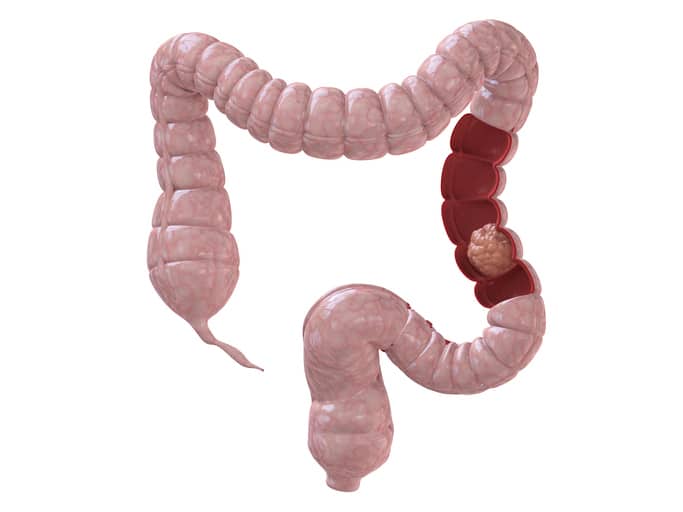
A healthy colon is about five feet long, two and a half inches in diameter, and weighs two to three pounds. The average American’s colon weighs ten to fifteen pounds.
It is not uncommon for an unhealthy colon to weigh up to 60 pounds. When legendary actor John Wayne died, the autopsy report was said to reveal that his colon weighed between 70-80 pounds. In 2020, “Black Panther” actor Chadwick Boseman died of colon cancer as well.
RELATED: Foods That May Ward Off Colon Cancer
Featured on BlackDoctor
The colon’s main function is to form the digestive fluids and foods you ingested into the stool for elimination. Friendly bacteria continue to further break down any partially digested food/meat substances.
Friendly bacteria make nutrients such as vitamin K and some of the B vitamins. Your colon should eliminate its contents every eight to twelve hours. Ideally, your stool should be a foot long, one inch around, and partially floating.
Some foods that are commonly considered healthy can slow digestion, cause constipation, or form dense stool in some people—especially if eaten in excess or without enough water. Here are seven of those foods that can clog your colon.
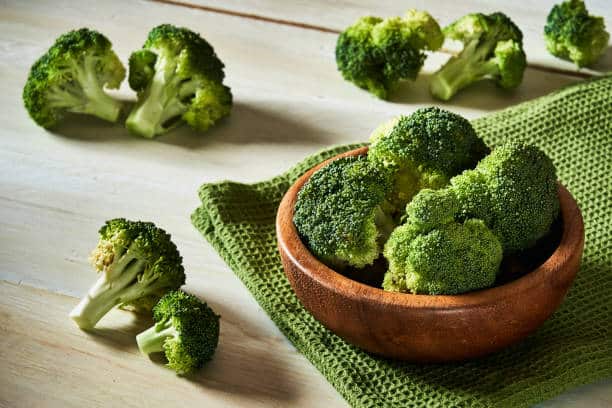
Examples:
Why:
They’re very high in fiber and sulfur compounds. If your gut bacteria aren’t adapted to them, they can cause bloating, gas, and slower bowel movement.
Here’s a tip: Lightly steaming them makes them easier to digest.

Foods containing caffeine can trigger acid reflux, as it relaxes the esophageal sphincter — the flap that keeps what you’ve eaten down in your stomach — causing food to come back up into the esophagus.
RELATED: Colon Cleanse & Weight Loss: This is How Much Weight You Can Lose if you Clean Your Colon
What about coffee, which is high in caffeine yet always seems to help us “go?” Coffee is powerful for triggering peristalsis — the term for the movement of food through the intestines — it does contain caffeine, which means it can still cause reflux. But it could help someone who is struggling with constipation. Remember, coffee over caffeine.
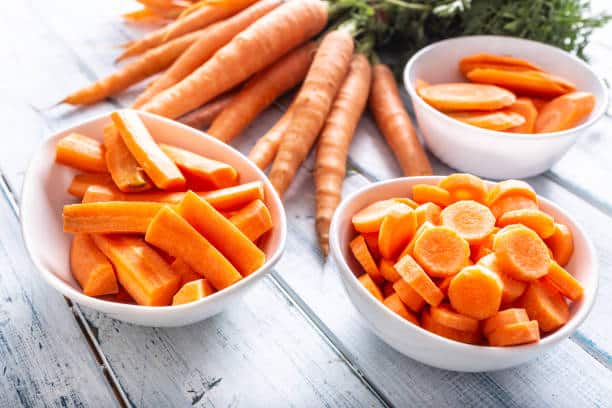
(Well, Kind Of)– Notice we said “kind of” because there is an exception. There’s something about the way you eat raw carrots that makes a difference in your stomach.
For many, when you eat a lot of raw carrots without chewing properly, it can make you feel nauseous for a few hours because of the way carrots break down in your stomach.
However, when you chew them very fine before swallowing, there’s a much lower chance of it happening allowing for it to properly break down in your stomach. Also, cooking them so that they are completely soft gets rid of the problem.
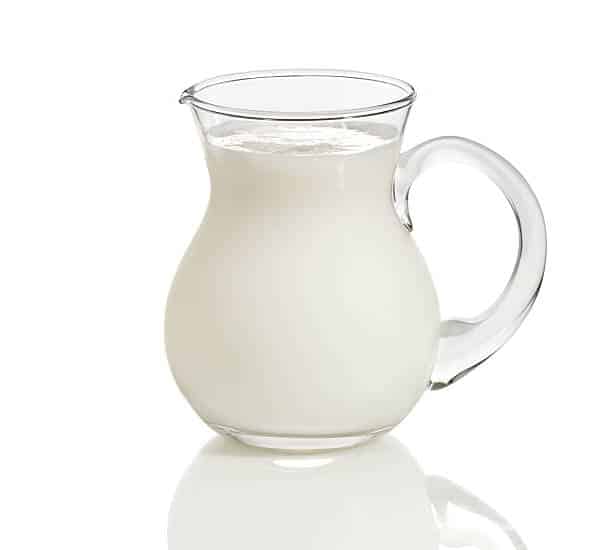
Dairy is the most mucus-forming substance you could put in your mouth. Diets high in cow’s milk consumption have been linked to Inflammatory Bowel Disease (IBD) and in some cases Chron’s Disease.
Here are other dairy products you need to watch out for:
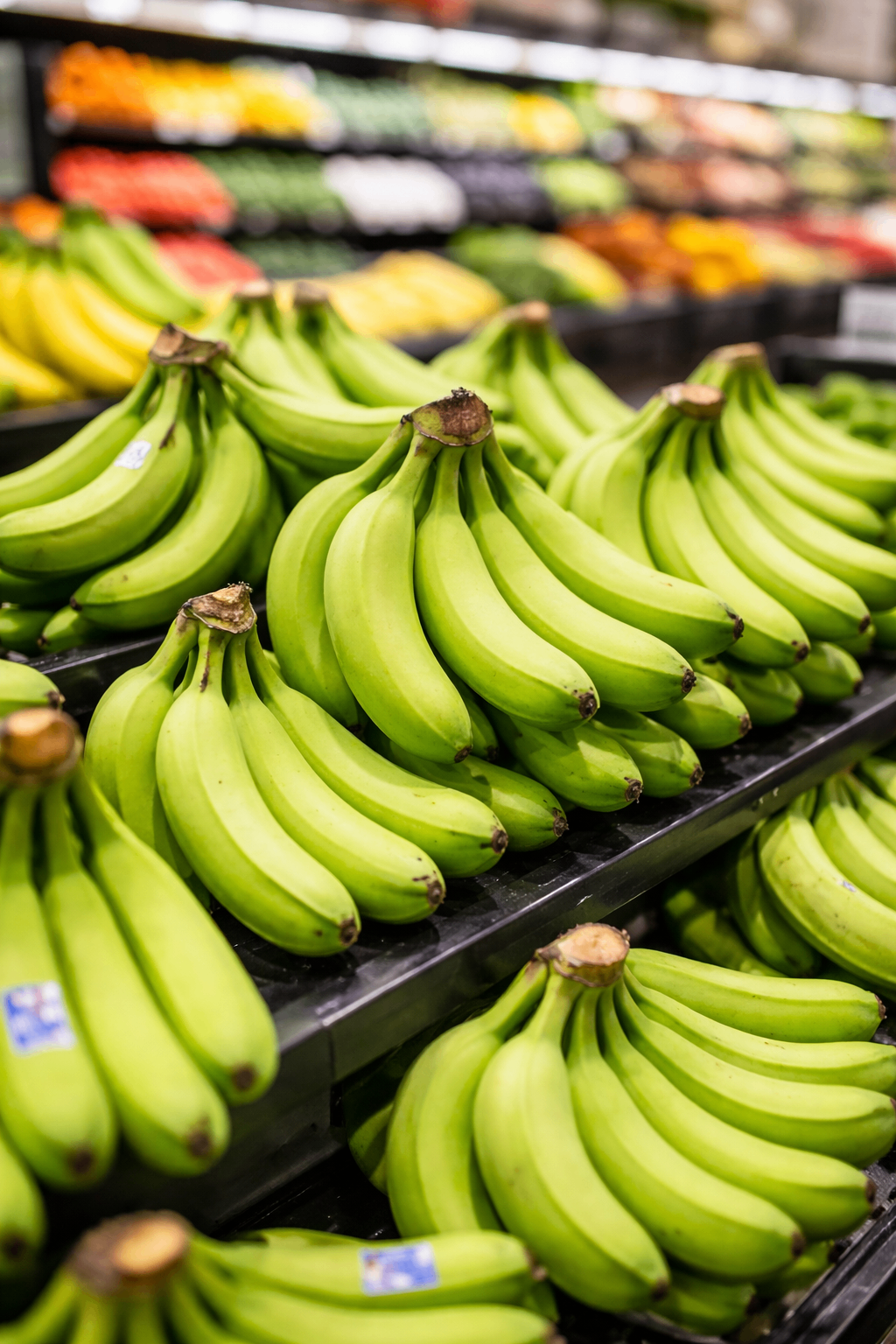
The key compound in green bananas is resistant starch.
Green (unripe) bananas contain a large amount of starch that resists digestion in the small intestine. Instead of being absorbed, it passes intact into the large intestine.
This creates a few effects:
Resistant starch behaves like fiber and can slow intestinal transit, meaning food moves through the digestive tract more slowly.
Unripe bananas may pull water from the colon and produce harder stools, which can contribute to constipation in some people.
Once the resistant starch reaches the colon, gut bacteria ferment it and produce gases and short-chain fatty acids.
This can lead to:
As bananas ripen, they become resistant to starch then convert into simple sugars.
So yellow bananas are:
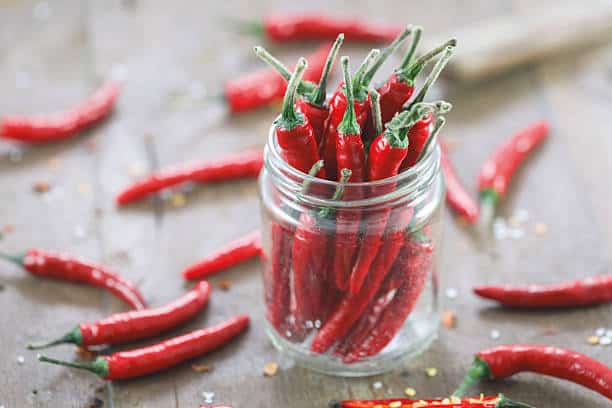
Spicy foods can be bad for digestion because they may trigger acid reflux symptoms in some people. Spicy foods are good for some other things like your sinuses and even weight control, but overdoing it on the hot spices, especially later in life can leave your colon in need of some help.
RELATED: 7 Ways To Avoid Colon Cancer
RELATED: 10 Ways To Clean Your Colon
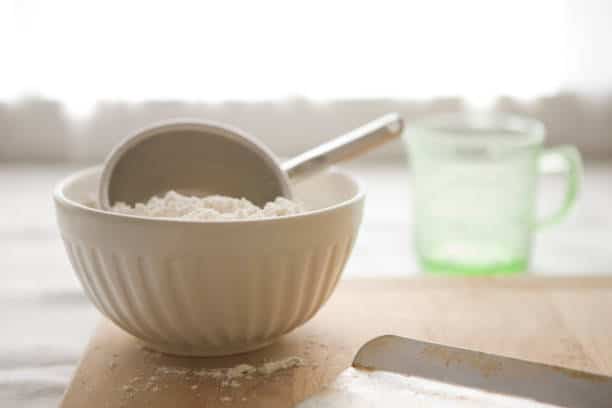
White flour is harmless, right? Well, not as harmless as you think. It literally acts like glue inside your colon. Just imagine that old-school, white Elmer’s glue you used in school in a tube. Every time your food flows through the cylinder shape, parts of the food get stuck on that glue. Some whole grains do this as well. Be sure to monitor how your body reacts and stay away from too much white flour.
In contrast, diets that primarily provide vegetable sources of protein result in lower amounts of hydrogen sulfide in the colon and have been associated with a decreased risk of Crohn’s disease.
For more on what you can do to fight colon cancer, click here.


By subscribing, you consent to receive emails from BlackDoctor.com. You may unsubscribe at any time. Privacy Policy & Terms of Service.