RA (rheumatoid arthritis) is an autoimmune condition in which your immune system mistakenly attacks your joints. Inflammation, pain, and stiffness associated with RA are symptoms caused by this process of the immune system attacking the joints. The anti-inflammatory diet includes foods thought to reduce inflammation caused by RA and other health inflammatory diseases.
What Is the Anti-Inflammatory Diet?
The anti-inflammatory diet includes a variety of foods such as those that:
Are rich in nutrients
Provide a wide variety of antioxidants (such as blueberries, blackberries, strawberries, and cherries)
Contain healthy omega-three fatty acids (ie. oily fish, such as tuna and salmon)
Specific foods that may help lower inflammation include:
Featured on BlackDoctor
Fresh berries
Bright colored vegetables (such as kale, broccoli, spinach, beans, and sweet potatoes)
Nuts and seeds (raw are the best choices)
Olives
Olive oil
High fiber foods (such as oats, beans and legumes, and buckwheat)
Several diet plans mimic the anti-inflammatory diet, including the Mediterranean diet, (focusing on plant-based foods and healthy oils) and the DASH diet (a healthy eating plan aimed at lowering blood pressure). These diets are known for their heart-healthy properties; they also lend themselves to reducing inflammation.
A diet that may lower inflammation for rheumatoid arthritis should include certain foods such as:
Wild-caught cold-water fish (salmon, tuna, mackerel, and oysters, which are rich in omega-three fatty acids) 2-3 times a week
Healthy oils (such as olive and avocado oil)
Avocados
Dark green leafy vegetables (such as spinach and kale)
Fresh berries (including strawberries, blackberries, blueberries, and cherries)
Red grapes and citrus fruits (such as lemons and oranges)
Whole grains (oats, quinoa, brown rice, barley, and wild rice)
Olives
Vegetables (such as broccoli, Brussels sprouts, sweet potatoes and cauliflower)
Green Matcha tea and other types of green tea
Spices (such as turmeric, cinnamon, and ginger)
Seeds (such as flax and chia seeds)
Natural sweeteners (such as dates)
Legumes and lentils
Foods high in probiotics and prebiotics (such as fermented foods, sauerkraut, kefir, and Greek yogurt)
Spices (such as ginger and turmeric)
Keep in mind that there is no single food that can promote health. Eating a variety of bright-colored fruits and vegetables and fresh, whole foods is the best eating plan for the anti-inflammatory diet.
Foods (to avoid) that increase inflammation
Just as healthy foods are part of the anti-inflammatory diet, some foods must be avoided because they are thought to promote inflammation in the body. Foods to avoid on the anti-inflammatory diet include:
Refined sugars (such as those in white flour, white pasta, table sugar, and white bread)
Fried, fatty foods (particularly those with trans fats)
Sweetened and diet soda
High-fructose corn syrup
Red meat (particularly fatty cuts of meat)
Lunchmeat other processed meat with nitrates
Refined oils (such as soybean oil, margarine, shortening, and vegetable oils)
An overabundance of omega 6 fatty acids (such as those in sunflower and safflower oils)
Alcohol
Processed and snack foods (such as baked goods, cookies, crackers, chips, and instant boxed and microwave foods)
Ice cream, candy, and cakes
Foods containing added sugar and salt
You may also find it beneficial to limit the intake of several other foods, such as:
Nightshades (tomatoes, eggplant, peppers, and potatoes): these foods may trigger inflammatory flare-ups in some people
Gluten (found in wheat-containing products): gluten may cause an inflammatory response in those with gluten sensitivity. A gluten-free diet is very restrictive and is not for everyone; consult with your health care provider if you think you may have a gluten intolerance.
Carbohydrates: a high-carb diet may promote inflammation in some people. But some high-carb foods, high in fiber, such as sweet potatoes and whole grains, are high in antioxidants and thought to be a healthy part of the anti-inflammatory diet.
5-day anti-inflammatory diet (with recipes)
Breakfast Meals
Oats and berries (steel-cut oats are highest in fiber)
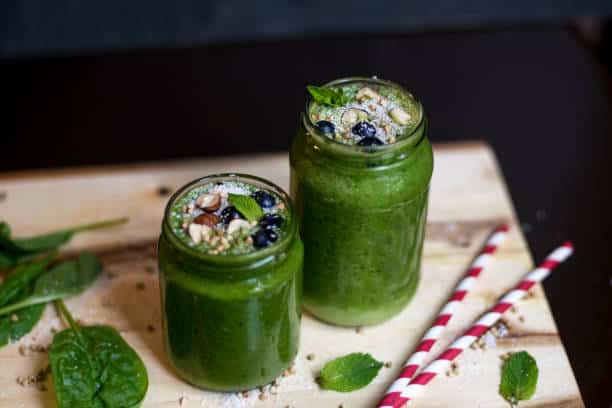
Chia and matcha tea smoothie
Buckwheat pancakes with berries (buckwheat is a good source of anti-inflammatory polyphenols called quercetin and rutin, which have anti-inflammatory properties that may help with rheumatoid arthritis.
Plain Greek yogurt with mixed fresh berries, ground flax seeds, and nuts
Scrambled eggs with turmeric (egg yolks contain vitamin D, which has been shown in studies to impact the immune system, possibly lowering inflammation).
Breakfast Recipes
Oats and berries
Author: Willow at Will Cook for Friends
Oats and berries provide very high amounts of antioxidants, prebiotics, and fiber, which can help lower inflammation.
INGREDIENTS
1 cup steel-cut oats
3 cups water
A pinch of salt
For topping, use fresh berries, sliced almonds, walnuts, hemp seeds., pumpkin seeds or other seeds and nuts.
Unsweetened kefir
100% natural maple syrup, coconut sugar, or stevia to sweeten to taste
INSTRUCTIONS
Place the oats in a small saucepan and toast the oats over medium-high heat; stir the oats every couple of minutes. Stir in the water and boil the mixture. Allow the oats to simmer for about 25 minutes. They will thicken as they cool (you can add more water or milk if you like them more porridge-like). Serve the oats with toppings (berries, nuts, and seeds, and a splash of kefir as well as natural sweeteners to taste).
Turmeric Chickpea and Kale Buddha Bowls (total of 5 bowls)
Author: Tracy at The Kitchen Girl
Buddha bowls are simply a combination of various healthy ingredients, comprised as different nutrient-dense components, chopped in a bowl, and eaten as a meal.
INGREDIENTS
Kale, spinach, or other greens
Roasted Beets
Roasted sweet potato
Quinoa, brown rice or wild rice
Turmeric Chickpeas (recipe below)
Blood orange (or any other type of orange)
Pomegranate seeds or fresh berries (such as blueberries)
Avocado slices
Sprouts or microgreens
Walnuts (or other nuts)
Lemon tahini dressing or sauce (or any other type of preferred dressing)
HOW TO MAKE A BUDDHA BOWL
You can use any combination of fresh whole fruits and vegetables along with whole grains; to assemble the buddha bowl:
Toss the chickpeas with the seasoning add to heated olive oil in a skillet (medium heat). Saute the chickpeas by shaking the pan (instead of stirring, to avoid smashing the garbanzo beans) for approximately six minutes, until golden brown and fragrant. Add extra olive oil or avocado oil if needed to prevent sticking. Remove the pan from heat and set it aside to add to the buddha bowl.
1 3/4 cup full-fat coconut milk (reserve 1 tablespoon)
1 large red chili pepper sliced
Cilantro garnish
INSTRUCTIONS
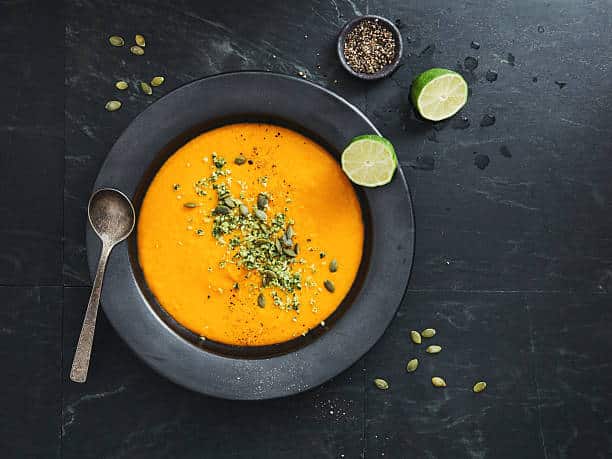
In a large saucepan, cook the curry paste over medium heat for approximately one minute or until the paste becomes fragrant. Add the broth and the pumpkin to the pan, and stir.
Cook until the soup starts to bubble, add the coconut milk, and cook until hot (approximately 3 minutes).
Ladle soup into bowls and garnish with a drizzle of the reserved coconut milk and sliced red chilis and cilantro leaves.
Preheat oven to 400 degrees F. Lightly spray a baking sheet with nonstick olive oil spray or lightly coat with olive oil.
Mix together brown sugar, lemon juice, Dijon, garlic, dill, oregano, thyme, and rosemary; season with salt and pepper to taste. Set aside.
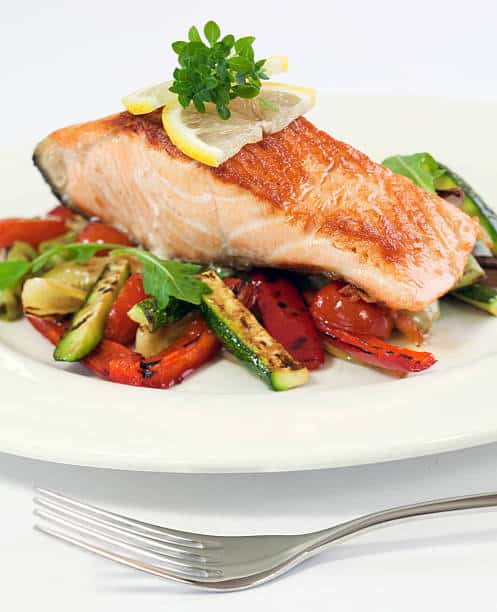
Place chopped zucchini onto the prepared baking sheet, drizzle zucchini with olive oil, and season with salt and pepper to taste. Add salmon in a single layer and brush each salmon filet with herb mixture.
Place salmon into the oven and cook approximately 16 to 18 minutes, until the fish flakes easily with a fork
Garnished with parsley and serve right away
See anti-inflammation recipes for rheumatoid arthritis here.
BlackDoctor is the world’s largest and most comprehensive online health resource specifically for the Black community. BlackDoctor understands that the uniqueness of Black culture - our heritage and our traditions - plays a role in our health. BlackDoctor gives you access to innovative new approaches to the health information you need in everyday language so you can break through the disparities, gain control and live your life to its fullest.
✦ AI Search Disclaimer This AI-powered search tool helps you find relevant health articles from the BlackDoctor.org archive. Please keep the following in mind:
✦ For Informational Purposes Only The information provided through this AI search is for general educational and informational purposes only. It is not intended as a substitute for professional medical advice, diagnosis, or treatment.
✦ Always Consult a Healthcare Provider Never disregard professional medical advice or delay seeking it because of something you have read through this search tool. If you have a medical emergency, call your doctor or 911 immediately.
✦ AI Limitations This search tool uses artificial intelligence to help match your queries with articles in our archive. While we strive for accuracy, AI-generated results may occasionally be incomplete, outdated, or not fully relevant to your specific situation.
✦ No Doctor-Patient Relationship Using this search tool does not create a doctor-patient relationship between you and BlackDoctor.org or any healthcare provider.
Explore over 35,000 articles and videos across black health, wellness, lifestyle and culture