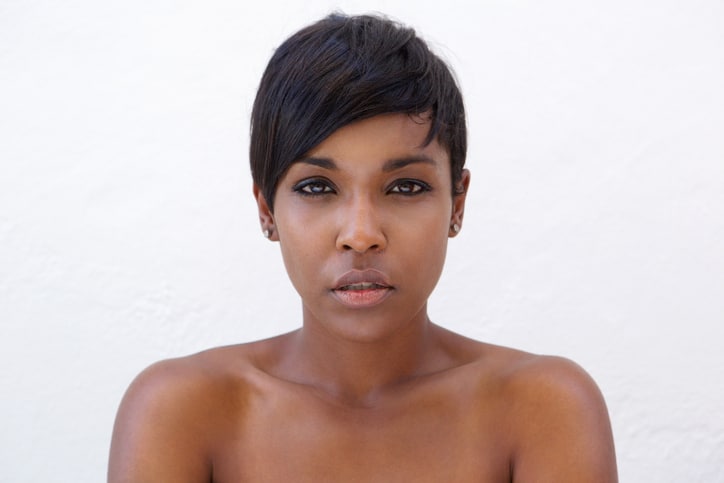
Hair loss occurs among both men and women of all races for a variety of reasons. Hereditary hair thinning is common, even among healthy women. Loss can also be the result of chemotherapy treatments, certain cardiac medications, antidepressants, androgen-dominant birth control pills, or simply be age-related. It may also indicate an eating disorder such as anorexia or bulimia.
But, did you know there’s also a connection between fibroids and hair loss? Uterine fibroids, the most common tumor found in female reproductive organs, are most common among women between age 30 and 50-years-old. About 20 to 40 percent of women aged 35 and older have fibroids big enough to cause symptoms, The New York Times reports. In addition to symptoms like heavy and painful periods, anemia and skin changes, brittle and thinning hair or actual hair loss are also common symptoms.
Having long, heavy periods could cause anemia and a decrease in oxygen to the cells in your body. The result could be dry and brittle hair, and in some cases hair loss.
What does hair loss look like?
Hair loss is described as shedding more than 100-150 hairs per day, every day. Most people lose anywhere from 50 to 100 strands of hair each day, according to the American Academy of Dermatology.
In other words, losing a few hairs when you wash or brush your mane doesn’t necessarily mean you’re in trouble. However, a total change in texture, unexplained hair thinning or bald spots may be a sign of an underlying condition like uterine fibroids.
Here’s what can be done:
Know your risk.
A family history of fibroids may increase your risk. Uterine fibroids are particularly common in African American women and tend to develop at an earlier age than White women.
Research has also shown that obesity and high blood pressure may be culprits.
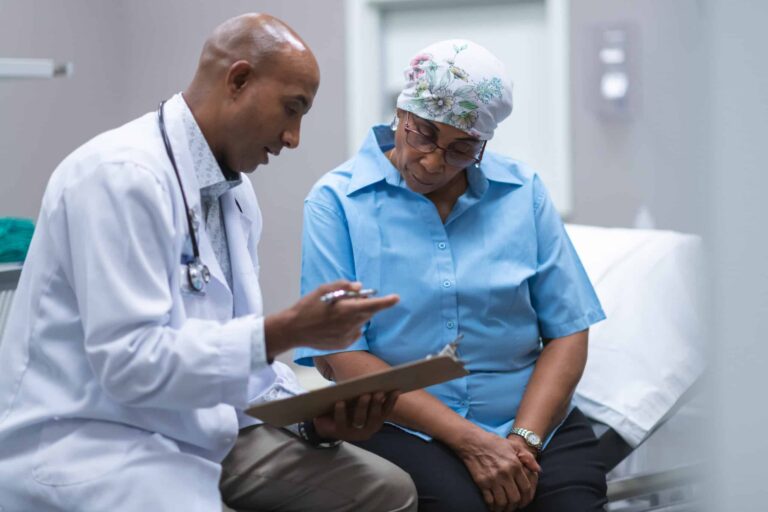
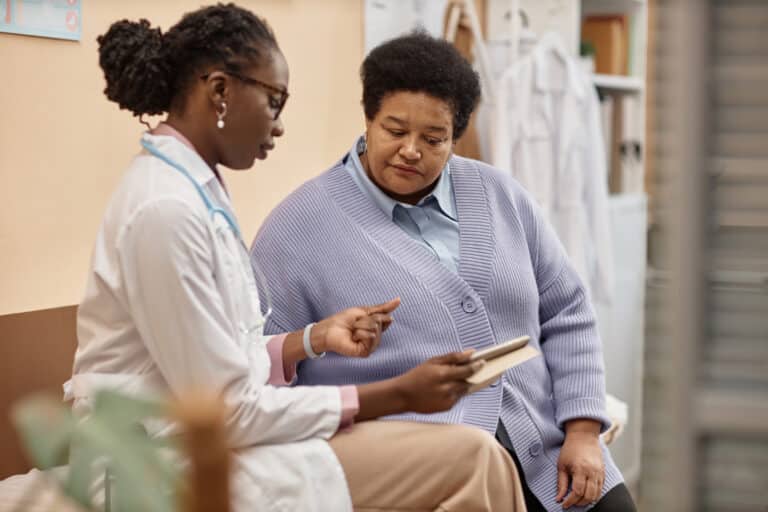
Talk to your doctor.
If you believe you are experiencing hair loss, talk to your doctor or dermatologist. The National Alopecia Areata Foundation maintains a list of doctors who specialize in such areas.
Never skip getting your annual checkup from your gynecologist. During a pelvic exam, a physician can feel these growths as lumps on the uterine wall. Imaging tests like an ultrasound can confirm the diagnosis or monitor the growth.
Overall, the sooner you see a doctor (or dermatologist) the better the chances are for improving treatment.
Get treated.
If symptoms are minimal, try eating healthy, losing weight, and exercising. All are very helpful in reducing fibroid symptoms.
Treatments, such as medication, myomectomy or uterine fibroid embolization (UFE), are options.
The downside? Uterine fibroids can return at any time. In fact, as long as a woman is menstruating, a fibroid can grow and continue to grow – becoming very large at that. While it’s possible for only one growth to present itself, in most cases, there is usually more than one tumor.
Work with your doctor and dermatologist to determine the best treatments for your body and hair.
WATCH: Expert Dermatologist Dr. Vicki Barbosa Discusses Black Women & Hair Loss
https://www.facebook.com/BlackDoctor.org/videos/10154313546326194/


By subscribing, you consent to receive emails from BlackDoctor.com. You may unsubscribe at any time. Privacy Policy & Terms of Service.