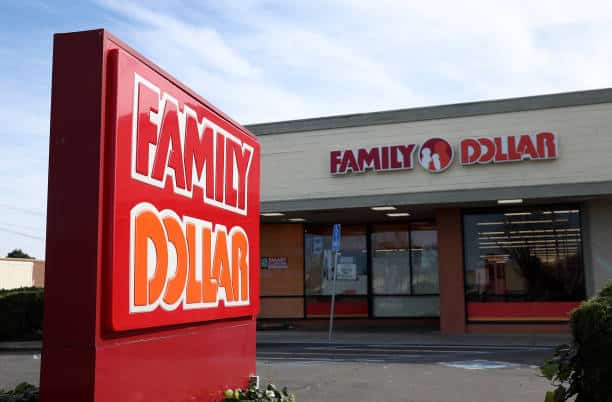
Dollar store chains like Dollar General have cropped up in rural neighborhoods like weeds. As of late, there are close to 35,000 Dollar General and Dollar Tree locations in multiple communities.
An affordable, one-stop-shop within walking distance from home – seems like a Godsend at first. But are dollar stores really helping poor Black communities thrive or helping them to an early grave?
Dollar store chains act as a sort of one-stop shop for customers who either can’t or don’t want to travel to multiple locations for different products. You can go to a Family Dollar, buy bread and vegetables on one side of the store, then purchase diapers, wipes, and motor oil on the next!
Dollar stores also tout bargainable prices. Say you are a low-income shopper, trying to feed your family for the week. You could go to Dollar General and load up on canned and pre-packaged foods like soups, snacks, and drinks and not break the bank. Convenience and affordability in these inconveniently unaffordable times – that’s hard to beat.
When affordability and convenience are pressed to the forefront, quality tends to be lacking. By quality, I mean the nutrition factors of food products.
Shelf-stable foods like canned vegetables in dollar stores tend to be high in calories and with low nutrient factors. And the bread on the shelf tends to be the enriched white version, with little to no healthier options available. These foods are also packaged smaller, not always noticeable to the consumer. So even if the shopper is saving their hard-earned pennies shopping at these stores, they aren’t saving as much as they think.
Dollar store chains are also hotbeds for crime. Notorious for having a scant amount of working staff as well as little to no security measures for protection, dollar stores are subjected to increased amounts of robberies and shoplifting events. There have even been murders reported on the stores’ premises.
RELATED: Shop Black: Complete List Of African American Owned Grocery Stores & Farmers Markets
Consider the impact of increased dollar store locations on the businesses around them.
Small, privately owned grocery stores lose a significant amount of their bottom line when a dollar store moves into town. This unfortunately leaves many small businesses in the lurch before eventually shuttering their doors.
Consumers can’t help but shop where prices put less of a hurting on their pockets, especially in low-income communities – where many of these dollar store chains are conveniently cropping up – pun intended.
Dollar store chains also leave little room for large grocery chains. Without other options, neighborhood consumers are basically forced to shop where they can.
Many people opt to shop at the cheaper dollar store around the corner, rather than the more expensive grocery store chains. As a result, grocery store chains eventually close in those areas and invariably follow the money to another fertile market.
With the heavy reliance on dollar stores by low-income communities, what happens when that lifeline ceases to exist?
Dollar store chains have proliferated so many low-income, Black communities (some towns have multiple of the same dollar store locations), that they have oversaturated their own markets and are now closing in droves. But what sort of void do dollar store closures leave in the neighborhoods they leave behind?
Without other stores from which to shop (they’ve forced them all to close), the low-income communities where the dollar stores were located go from bad food to no food, let alone any healthy food options to choose from.
Empty buildings where the dollar stores once thrived become havens for even more unscrupulous activities, now that literally no one is watching. The empty buildings are also difficult to repurpose, further reducing property values.
And what of the people who worked at the dollar stores, who are likely low-income themselves, since dollar stores are also infamous for their pay and hiring practices? They are simply left without a job and no income at all.
So, dollar store chains selling lower quality foodstuff, in stores mired with high crime, marketed to low-income Black communities with transportation issues – should this really be viewed as a turn in the right direction, or the fertile grounds of a food desert? And how can you eat better if you live in these food deserts?
Many people live in food deserts, disguised as food oases, and don’t even know it. But you can best believe the big corporations that own the dollar stores from which poor, Black, consumers shop do know – and are profiting handsomely despite losses and store closures.
Advocating for ourselves via shopping and growing smart can save our communities from chronic diseases and an early grave. And who knows, it may even foster stronger community bonds in the process, something we can all benefit from.


By subscribing, you consent to receive emails from BlackDoctor.com. You may unsubscribe at any time. Privacy Policy & Terms of Service.