
Modern medical research is uncovering a profound connection between chronic disease, systemic inflammation, and the foods we eat. At the center of this discovery is a process called fatty acid oxidation. While oxidation is a natural part of energy production, an imbalance can lead to the creation of free radicals—unstable molecules that act like biological “rust,” damaging cell membranes, proteins, and even DNA.
For individuals living with Chronic Kidney Disease (CKD) or those on dialysis, managing this internal environment is critical. Kidney disease often increases systemic inflammation, which in turn elevates the risk of cardiovascular disease. Fortunately, nature provides a defense mechanism: antioxidants. These compounds neutralize free radicals, halting the cycle of damage
By focusing on a kidney-friendly diet rich in specific whole foods, you can protect your heart and cells while staying within the necessary limits for sodium, potassium, and phosphorus.
Here are 15 foods you should try according to a Davita dietician.
These are a staple for the kidney diet because they are exceptionally low in potassium but high in flavor. They are rich in vitamins C, A, and B6, and contain lycopene, an antioxidant known to protect against certain cancers.
Kitchen Tip: Use them raw for crunch in salads or roast them to add a smoky sweetness to sandwiches.
A powerhouse of phytochemicals, cabbage helps break up free radicals before they can cause cellular damage. It is an affordable way to get vitamin K, vitamin C, and fiber without overloading on potassium.
Kitchen Tip: Try it as a crunchy topping for fish tacos or as a warm side dish sautéed with a bit of butter and caraway seeds.

This versatile vegetable is rich in indoles, glucosinolates, and thiocyanates. These compounds assist the liver in neutralizing toxins that could otherwise damage your DNA.
Kitchen Tip: Steam and mash cauliflower as a delicious, low-potassium alternative to traditional mashed potatoes.
Garlic does more than flavor your food; it has antimicrobial properties and helps reduce cholesterol and inflammation.
Kitchen Tip: Use garlic powder as a savory substitute for salt to keep your sodium intake low without sacrificing taste.
RELATED: Eat These Fruits, Your Kidneys Will Thank You
Onions are rich in quercetin, a powerful flavonoid that protects against heart disease. They also contain chromium, which helps your body metabolize fats, proteins, and carbohydrates.
Kitchen Tip: Caramelize onions to add deep, rich flavor to grilled meats or omelets.
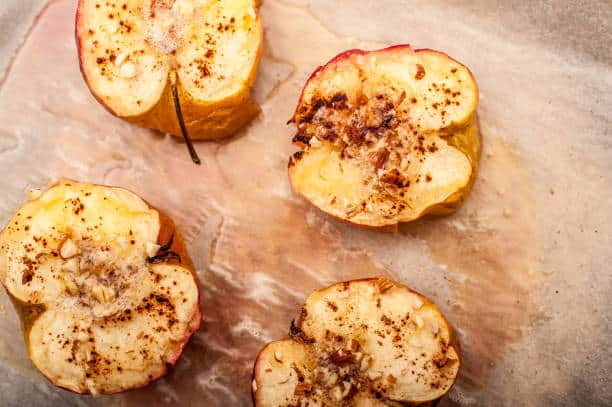
High in fiber and anti-inflammatory compounds, apples help reduce cholesterol and prevent constipation.
Kitchen Tip: For a unique breakfast, try an apple and onion omelet—the sweetness of the apple pairs perfectly with savory eggs.
Known for preventing urinary tract infections by stopping bacteria from sticking to the bladder wall, cranberries also protect the stomach and promote gut health.
Kitchen Tip: Add dried cranberries to a spinach salad for a tart flavor boost.
The blue hue of these berries comes from anthocyanidins, potent antioxidants that reduce inflammation. They are also a great source of manganese for bone health.
Kitchen Tip: Keep frozen blueberries on hand to toss into a kidney-friendly smoothie.

Raspberries contain ellagic acid, which neutralizes free radicals, and anthocyanins, which may inhibit the growth of cancer cells.
Kitchen Tip: Puree raspberries to create a vibrant, seedless sauce for desserts.
Rich in phenols like anthocyanins and ellagitannins, strawberries provide significant heart protection and anti-inflammatory benefits.
Kitchen Tip: Serve sliced strawberries over a bowl of cereal or with a small dollop of whipped topping.
Eating cherries daily has been shown to significantly reduce markers of inflammation, thanks to their dense concentration of phytochemicals.
Kitchen Tip: Fresh cherries make an excellent snack, or you can simmer them into a tart sauce for pork dishes.
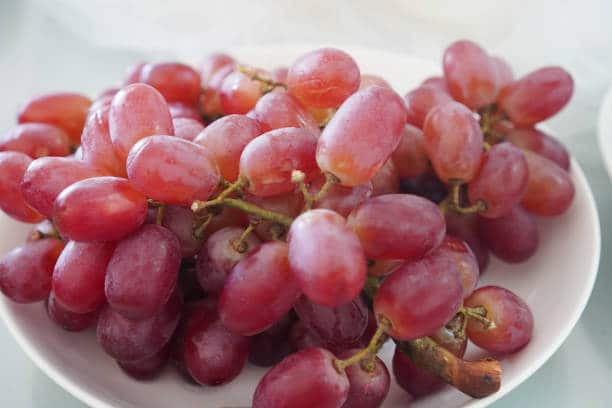
The skin of red grapes contains resveratrol, a flavonoid that stimulates nitric oxide production, helping blood vessels relax and improving circulation.
Kitchen Tip: Freeze grapes for a refreshing, icy snack that helps satisfy thirst if you are on a fluid restriction.
Egg whites provide the highest quality protein available but with much less phosphorus than egg yolks or meats, making them a “gold standard” for the dialysis diet.
Kitchen Tip: Use pasteurized egg whites in shakes to boost protein intake without adding bulk to your meals.
Fatty fish like salmon, mackerel, and rainbow trout are loaded with omega-3 fatty acids. These healthy fats lower “bad” LDL cholesterol and fight systemic inflammation.
Kitchen Tip: The American Heart Association recommends eating fish at least twice a week for optimal heart health.
Olive oil is rich in oleic acid and polyphenols. Its monounsaturated fats are highly resistant to oxidation, making it the ideal fat source for a healthy heart.
Kitchen Tip: Use extra virgin olive oil for salad dressings or as a dip for bread instead of butter.
While these foods are nutritional powerhouses, everyone’s needs are different. It is essential to work with a kidney dietitian to tailor these choices to your specific lab results and stage of kidney disease. By stocking your kitchen with these antioxidant-rich foods, you are taking a proactive step toward protecting your body and feeling your best.


By subscribing, you consent to receive emails from BlackDoctor.com. You may unsubscribe at any time. Privacy Policy & Terms of Service.