Summer heat can make pregnancy even more challenging, increasing the need for hydration and nutrient-rich foods. Luckily, there’s nutritious (and delicious!) fruit that can help you stay hydrated and cool off.
Fruit is packed with fiber, minerals, and vitamins that support overall wellness. Not only does it support the mother’s health and alleviate constipation, but it also supports the baby’s health. We say that’s a win-win! So, if you’re pregnant and looking for tasty, nutrient-dense foods to enjoy this summer, here’s what fruit you’ll want to always keep on hand.
Nobody likes to feel nauseated, especially when you’re growing a little one. While morning sickness and vomiting are common symptoms of pregnancy, there are natural ways to prevent nausea that pose little risk.
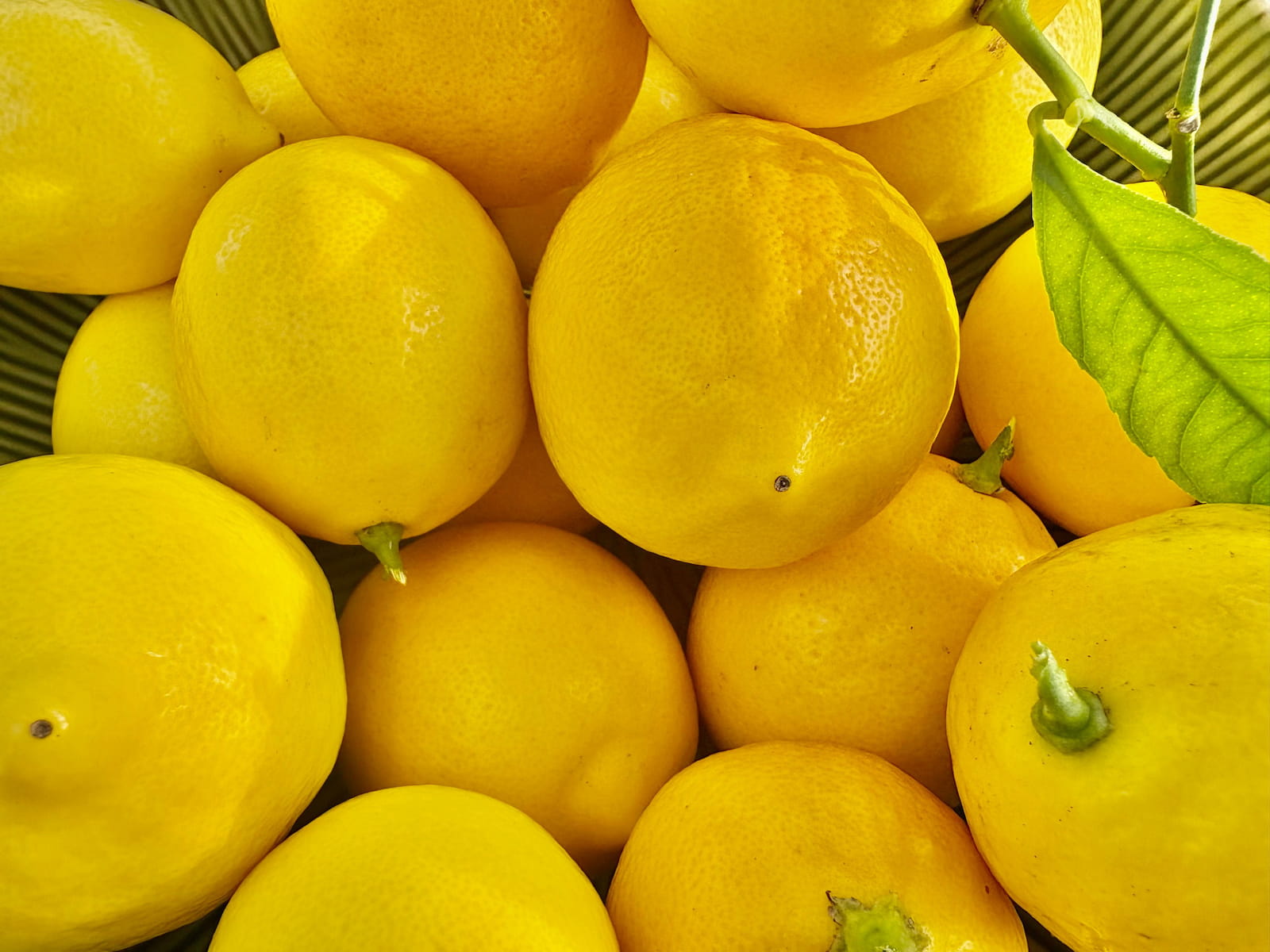
Lemon – an anti-nausea hero – is one of the best natural remedies for nausea caused by pregnancy. A 2020 study found that mixing lemon and peppermint essential oils reduces the intensity of pregnancy-related nausea and vomiting.
Lemons also contain folate and vitamin C. According to the U.S. Department of Agriculture (USDA), the juice of one lemon provides 38.7 milligrams of vitamin C and 20 micrograms of folate. Folate is a key nutrient that helps the fetus grow healthy and strong. Research has shown that when expecting mothers consume more folate, it reduces the risk of birth defects like spina bifida and anencephaly, which affect the spinal cord, brain, and skull.
What’s the easiest way to enjoy lemon, you ask? Add a lemon wedge to your water, drizzle lemon juice on a salad, or drop it in your tea for a flavor enhancer.
RELATED: 10 Fruits and Vegetables That Boost Your Immune System
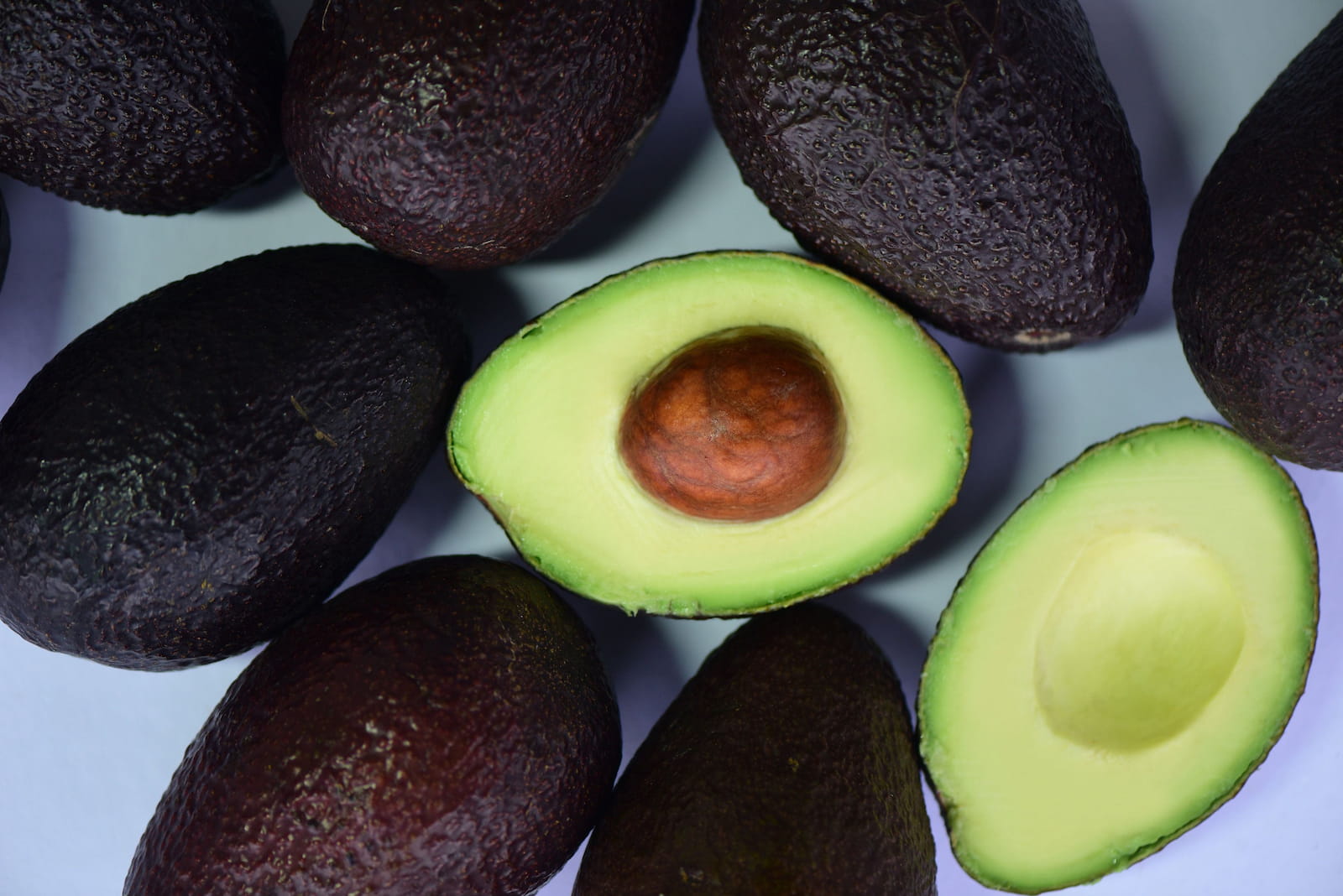
Avocados are well loved, but did you know they’re technically a fruit, not a vegetable? They’re low in sugar, while also rich in healthy fats like polyunsaturated and monounsaturated fat, points out Avocados from Mexico. And fats are an essential macronutrient for a healthy pregnancy.
In pregnant women, higher monounsaturated fat intake has been linked to better sleep quality, according to a 2019 study. Diets rich in healthy monounsaturated fats have been associated with better blood sugar regulation and overall metabolic health, which in turn may support overall health during pregnancy.
Beyond the fat benefits, avocados are high in fiber, rich in antioxidants, and contain various vitamins and minerals. In fact, a third of an avocado has the daily value of vitamin E, niacin, potassium, vitamin K, fiber, and folate (per Avocados from Mexico).
On top of that, its mild flavor makes it a great (and yummy!) addition to savory or sweet meals. So enjoy that bowl of guac and chips, avocado toast, or eat it by the spoon knowing that you’re supporting both you and your baby’s health.
RELATED: 5 Heart Healthy Fruits To Include At All Your Summer BBQs
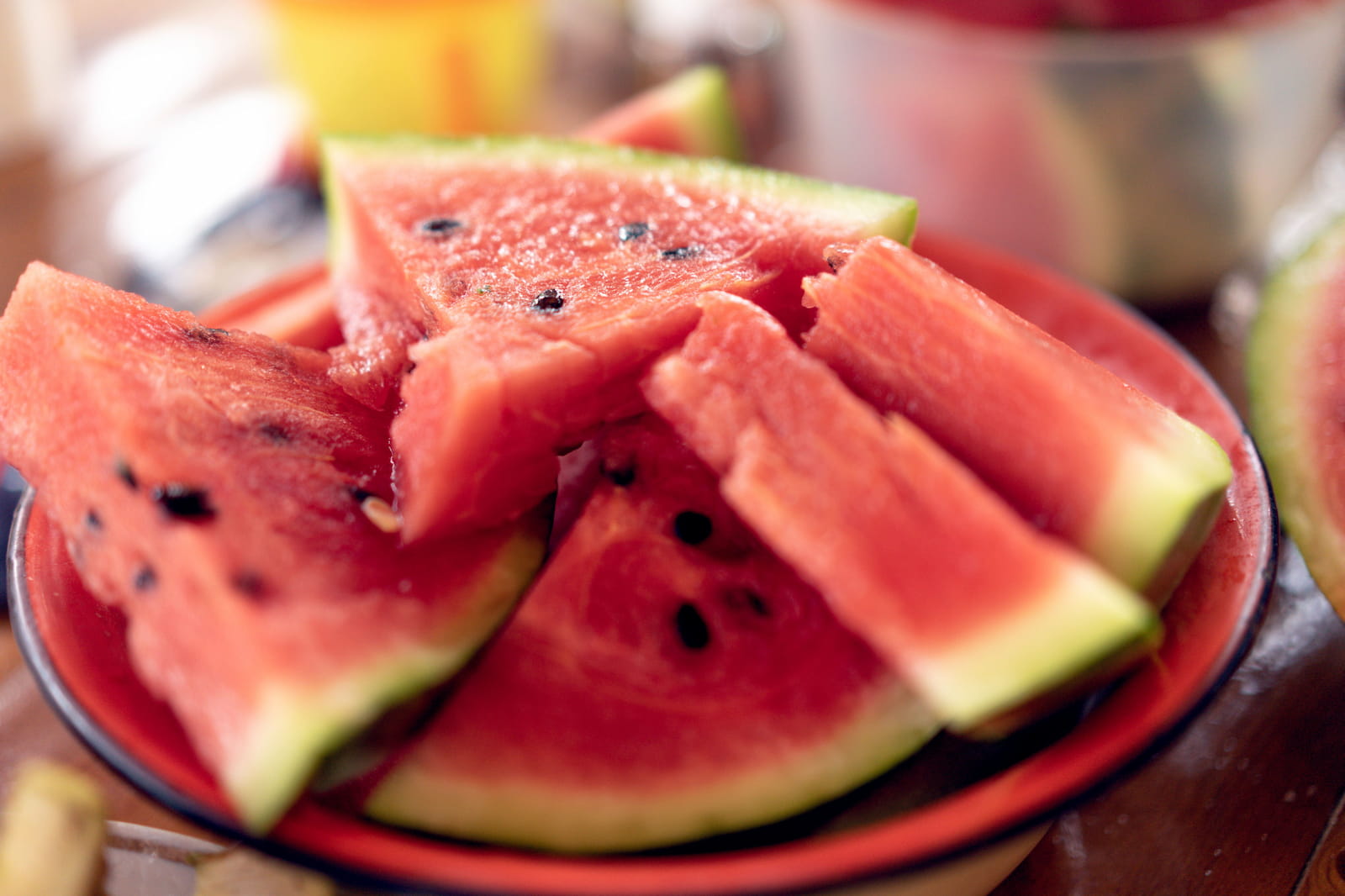
Watermelon is a beloved fruit by many and for good reason too. Before it became a racist trope during the Jim Crow era, this fruit was often associated with Black independence and self-sufficiency, points out The Atlantic. Sometimes enslaved plantation workers were allowed to plant, harvest, and sell crops on designated plantation land, shares Business Insider. Watermelons quickly became the preferred choice since they’re an easy crop to grow.
Watermelon patches were the first taste of freedom Black Americans experienced, and after emancipation, many continued to plant and sell them.
During the Jim Crow era, smear campaigns flooded the media to wipe out Black-owned businesses. Even though this fruit was weaponized against the community, we knew it served as a testament to how resilient our Black community is.
Watermelon is extremely hydrating, low in calories, and full of nutrients. One cup is only 46 calories and contains copper, pantothenic acid, provitamin A, lycopene, vitamin C, and lutein, explains Healthline.
Because watermelon is high in water and naturally contains nutrients like vitamin C and lycopene, many pregnant women find it refreshing during periods of nausea or swelling. Keep in mind hydration is not a treatment for nausea, but it can support overall pregnancy health. Did we mention it also contains folate?
Next time you’re craving watermelon, go for it. Know that you’re supporting your baby and the culture simultaneously.
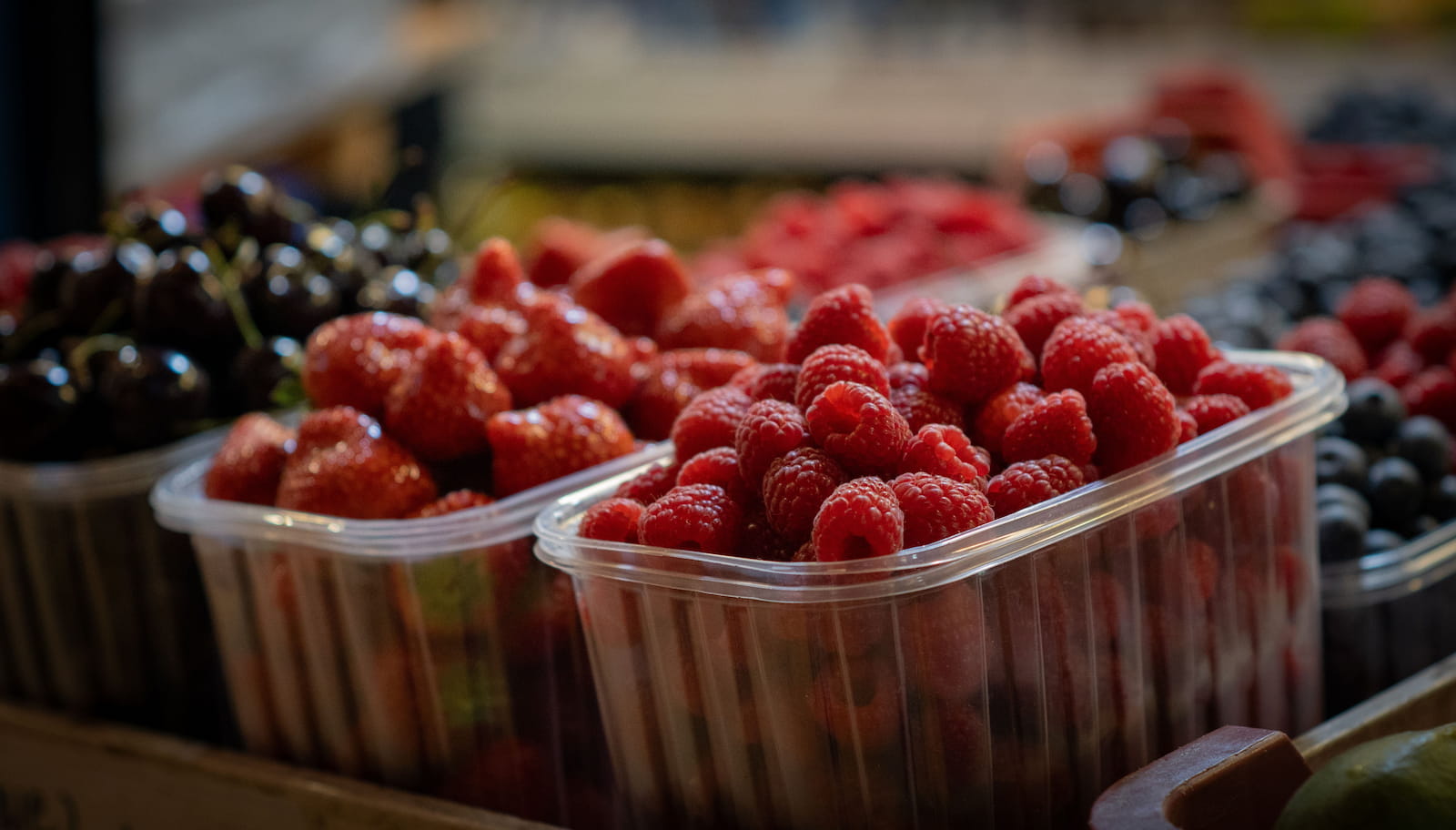
Some of the most quintessential cornerstone summer fruits are berries – blueberries, strawberries, raspberries, and blackberries. Not only are these fruits sweet and subtly tart, but they’re also high in antioxidants and anti-inflammatory properties.
According to a 2025 review, certain berries — such as cranberries and goji berries — are relatively high in protein, vitamins, minerals, fiber, and polyphenols, which in turn support eye health, mental health, brain health, and more.
Enjoy them by the bowl, or toss them in a salad or smoothie for an extra sweet kick.
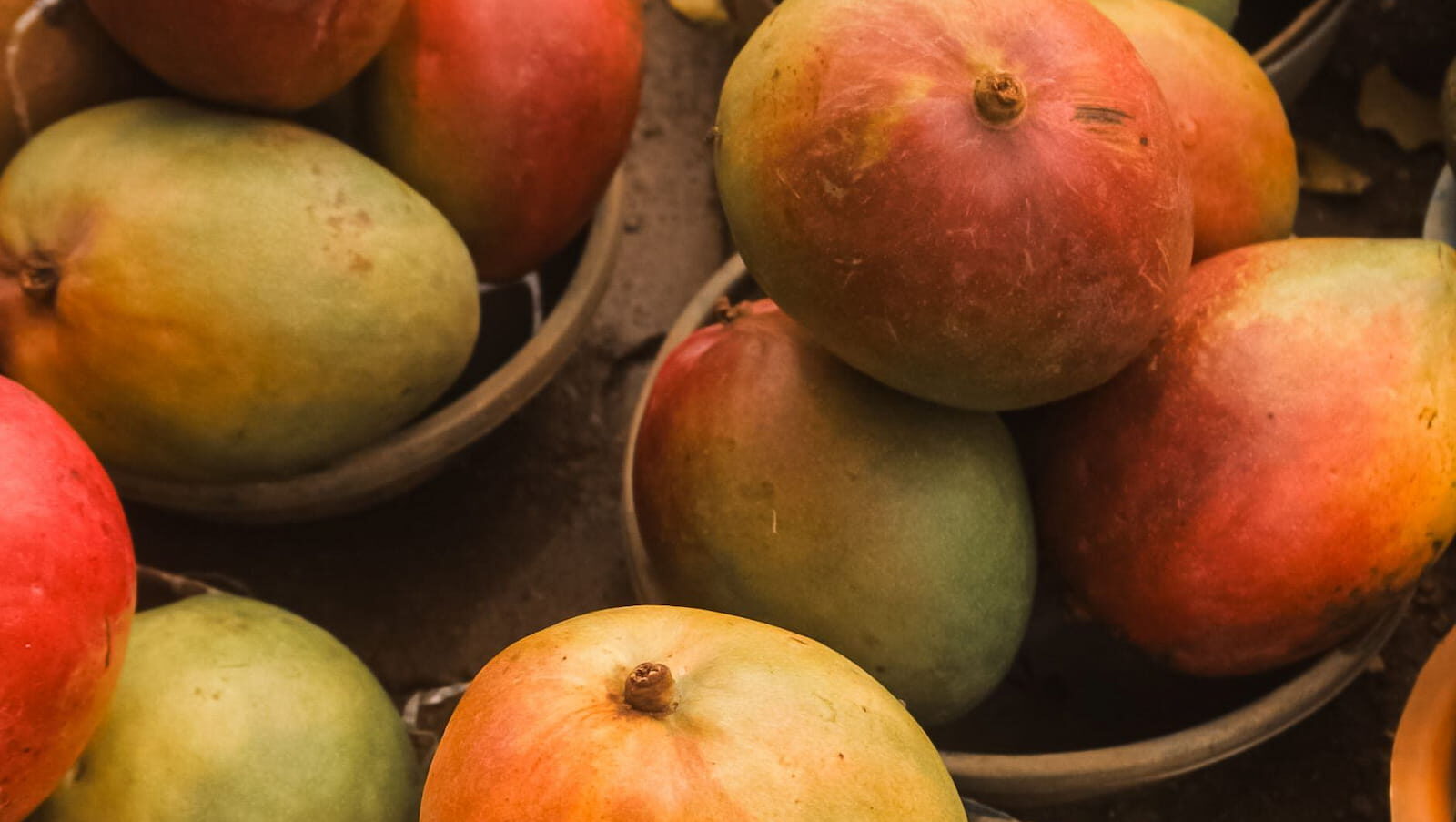
Mangoes are a staple in Caribbean culture, and rightly so. Known for its juicy, honey-like flavor and hydrating qualities, this tropical fruit is the star in dishes like mango rice and cucumber-mango salad, evoking a meaningful culinary connection to the wider African diaspora.
When it comes to pregnancy, researchers from a 2024 study found that eating mangoes can significantly improve diet quality and can help with nutrient intake for women in childbearing years. This may be because mangoes are loaded with vitamins and minerals.
Mangoes are rich in carotene, vitamin C, vitamin K, folate, copper, and potassium (per USDA). They’re also packed with fiber. Fruits high in fiber may prevent constipation and bloating, which are common pregnancy symptoms.
Consider enjoying an unripe mango if you’re looking for low-sugar, immune-boosting support. For a sweeter experience with higher levels of the antioxidant beta-carotene, a ripe mango is a great choice.
Before you bite into your fresh fruit of choice, it’s important to wash your fruit first to protect your unborn baby. Sometimes raw fruits can get contaminated with parasites and unwanted bacteria like Toxoplasma, which is especially harmful to pregnant mothers, according to the U.S. Food & Drug Administration (FDA).
The best way to keep you and the baby safe is to thoroughly wash all your fruit under running water before enjoying them. Take extra time to wash fruit that contains peels or rinds, and consider using a small brush to get rid of extra dirt, explains the FDA.
If you’re unsure if the food is safe to eat, it’s always best to discard the fruit.
Every pregnancy is different, and what your body needs to feel healthy can change with time. Whether you’re looking to boost your fiber intake, stay hydrated, or increase the essential nutrients needed when you’re eating for two, indulging in summer fruit can be a great option. It may also help alleviate some common pregnancy symptoms since fruit contains folate, antioxidants, vitamins, and minerals.
When shopping for summer fruit, buying local and in-season can improve freshness and flavor. Consider choosing organic when possible to reduce exposure to pesticides. But if you don’t have access to some of these fruits (or don’t prefer some), that’s okay. Instead of fresh fruit, you can opt for frozen or unsweetened canned fruit for a convenient and affordable option.
It’s recommended that expecting mothers eat around two to three servings of fruit daily. Those with conditions such as gestational diabetes, food allergies, kidney disease, and diabetes should speak with their doctor or a registered dietitian before making significant dietary changes.


By subscribing, you consent to receive emails from BlackDoctor.com. You may unsubscribe at any time. Privacy Policy & Terms of Service.