
Being cholesterol-savvy and lowering your cholesterol does not have to mean a lifestyle change that is full of restrictions. Instead, with a few key food swaps, you can lower your cholesterol and reap the benefits. You may even find that by making a few basic changes, like increasing fiber intake, adding omega-3 fatty acids, incorporating healthy fats, looking for plants sterols and stanols, and making simple swaps in your protein, snacks, sauces and dressings, and sweet treats, you not only will be in control of your cholesterol levels, but also may find yourself developing a taste for or even a preference for what’s healthy. Here are some ways to demystify cholesterol-lowering nutrition for lifelong health.
The name of the game with this way to help lower your cholesterol is to increase fiber intake with a focus on soluble fiber. Soluble fiber blocks the absorption of cholesterol in the digestive tract. Soluble fiber makes a gel in the digestive system that helps it exit the body.
RELATED: Psyllium Husk, Chia Seeds, or Oats: Which Fiber Booster Is Right for You?
RELATED: What Omega-3 Can Do For You…Right NOW!
When you think of omega-3 fatty acids, think cold water fatty fish twice a week to eat your way to better cholesterol numbers, along with some shellfish, seeds and nuts, and certain oils.
Examples of sources for omega-3s include:
Whether you consume fatty fish or eat more plant-based sources, omega-3s are a good addition when incorporated in meals as either the star of the show, like fish, or an added boost to your breakfast. They can help you to be a smart snacker and lead you to change what you choose for everyday cooking. Lastly, you can find them in fortified foods, like milk, yogurt, or eggs with omega-3s.
Cholesterol-lowering “healthy” fats are monounsaturated and polyunsaturated fats. Replacing saturated fats (for example, those found in fatty meats, full-fat dairy, butter, and coconut/palm oil) or limiting trans fats, such as those found in processed foods called “partially hydrogenated oils” on food labels, are a good start. Substitution or elimination of these can lower bad LDL cholesterol and triglycerides while improving good HDL cholesterol. Many of the food swap solutions also have omega-3s or do double duty in other cholesterol-lowering categories.
“Good” fats include:
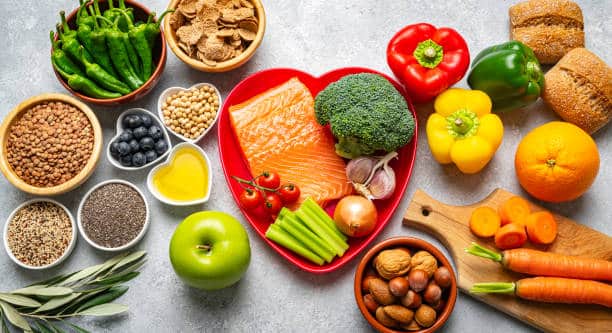
Eating well and eating for wellness are not that far apart.
Additional food swaps you can include that help lower cholesterol are:
Set yourself up to succeed. All the knowledge in the world about making healthier cholesterol-lowering choices means little without putting it into practice.
Here are some tips to follow and not fail:
Keep all food that does not lower cholesterol out of your fridge and pantry. If it never makes it into the house (door delivery of pizza to the living room counts), you won’t have the opportunity to indulge. You’ve heard the saying “you are what you eat”. Add this one to it: “You eat what you have on hand”. If unhealthy food never makes it into the kitchen or even the house, it is not available for irresistible temptation or easy over-consumption.
Traveling can make eating to lower cholesterol challenging. Pack snacks to substitute for expensive, cholesterol-raising airport foods and other items like sweets, fried foods, and red meat. When dining out, whether at a restaurant or elsewhere, look for healthy options that some menus highlight. You can also create your own veggie plate by ordering steamed vegetable side dishes with the sauce served on the side. Many chefs are willing to accommodate this request. To be certain and ready, call ahead and ask or look at an online menu first.
RELATED: This Form of High Cholesterol Can Catch Black Americans by Surprise
Your friends are going out to eat (again). Someone at the office brought a birthday cake in; substitute donuts, pizza, chips, and the list goes on. When your friends and colleagues see that you are eating to lower cholesterol, they may put pressure on you to eat unhealthy foods that you swapped to be healthier. Just say no. Be firm. Be resolute. But most of all, be ready. After a few polite refusals, they should get the idea. If they still can’t take a hint, consider bringing some fruit or a plate of crudité to share to show that you appreciate being included in the celebration and you don’t fear missing out on the fun.

You don’t have to celebrate with food. Make a list of non-food items that will reward you for your cholesterol-lowering progress. Celebrating with food can block your progress. Once you see it as counterproductive, rewards can be non-edible ones that are an equally worthy treat. Make the list something that will matter to you, whether walking on a trail you haven’t explored before, trying out new workout gear, swimming at the gym, or catching up on the phone with an old friend you often chat with on Facebook but seldom FaceTime. You could also volunteer at a soup kitchen to remind yourself that we eat to live, not live to eat. This will put your cravings in check while serving those who live on much less with fewer food choices.
Now it’s up to you to take action! Managing high cholesterol is doable. Remember to replace foods high in saturated fats with fiber-rich options like omega-3 fatty acids and plant stanols or sterols. Examples of these are oats, beans, nuts, seeds and fish like salmon. Don’t stop there. Enjoying diverse fruits, vegetables, whole grains, and healthy unsaturated fats from oils and avocados (for fiber and as a “good” fat) will become second nature as you “taste the rainbow”. Choose olive oil instead of butter. Make fish or skinless poultry go to protein instead of red meat.
Make swaps that matter and that you could continue to keep. Easy sustainable swaps are powerful changes. You’ll soon see that high cholesterol-lowering food swaps can taste good and be good for you, too.


By subscribing, you consent to receive emails from BlackDoctor.com. You may unsubscribe at any time. Privacy Policy & Terms of Service.