Shigella bacteria may cause stomach issues, according to the Centers for Disease Control and Prevention (CDC).
In recent weeks, norovirus has dominated your newsfeed. Still, the CDC urges you to be aware of another stomach bug: Last week, the agency warned about the “extensively” antibiotic-resistant Shigella bacteria. The bacteria’s illness, shigellosis, is widespread but may produce severe gastrointestinal symptoms, including bloody diarrhea, requiring immediate antibiotic treatment.
According to the CDC, drug-resistant strains accounted for zero percent of Shigella infections in 2015 but five percent in 2022. The health advisory also highlighted that the germs are “easily” disseminated, presenting “possibly major public health issues.”
Here’s all you need to know about Shigella: drug resistance, transmission, symptoms, and who’s most at risk.
RELATED: Bacterial Skin Infections: 5 Skin Problems Caused By Bacteria
Shigella bacteria are among the clever pathogens becoming more resistant to antimicrobials. By 2050, drug-resistant diseases might kill 10 million people; according to the WHO, Shigella is considered a “medium priority” drug-resistant infection since certain drugs kill them.
According to the CDC, antibiotic resistance arises when organisms like Shigella become antibiotic-resistant. These viruses may create hard-to-treat infections, making a manageable sickness more hazardous, particularly for high-risk persons.
The CDC’s Shigella health notice advised doctors only to use antibiotics when required, which isn’t always the case with shigellosis (more on that in a minute). Overusing these drugs causes drug-resistant bugs, especially Shigella strains.
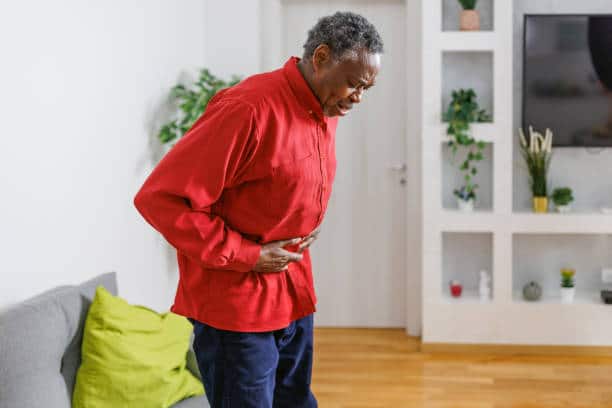
Shigella infects 450,000 Americans annually. Swallowing bacteria may infect:
The CDC warns that Shigella may spread to foreign travelers via hazardous food and drink. If you’re uncertain about local food and water, be cautious: Avoid raw meals and vegetables, tap water or ice prepared from tap water, unpasteurized dairy products, and street vendor cuisine.
Shigellosis usually heals without antibiotics. Shigellosis is not sexually transmitted. The CDC says children under five, homeless individuals, HIV-positive persons, and immunocompromised people are more likely to become infected or have severe symptoms. Any intercourse that includes the anus might increase your chance of catching Shigella germs conveyed via feces.
This stomach sickness might spread for a time. The CDC says Shigella may be spread for weeks after symptoms subside.
RELATED: 9 Early Signs That Your Stomach Is In Trouble
The CDC says shigellosis symptoms are like norovirus. Examples include:
The CDC says these symptoms appear one to two days after infection. After being infected with Shigella bacteria, a person’s bowel habits, including frequency and consistency, may not return to normal for months.
Even though most people recover without treatment, the CDC recommends seeing a doctor for bloody diarrhea that lasts more than three days, severe stomach cramping or tenderness, signs of dehydration like confusion, dizziness, lightheadedness, or fever, and feeling “very sick.” With severe symptoms, the doctor may test your stool for Shigella germs to determine the best therapy.
Drinking plenty of fluids is important when you’re sick because shigellosis can quickly dehydrate you. If you can, consult a doctor if you can’t eat.
Handwashing matters: The CDC recommends sudsing up to prevent gastrointestinal illnesses like Shigella. Before eating, preparing food, using the bathroom, changing a diaper, cleaning your bathroom, or having sex, wash your hands with soap and water for at least 20 seconds. (You should also clean the changing area and dump diapers in a covered rubbish can.)
You shouldn’t have sex if you or your partner has diarrhea. After the diarrhea stops, wait two weeks before being intimate to reduce your risk of shigellosis.
If you suspect a stomach illness, stay away from healthcare, daycare, and food preparation facilities until you feel better.
Again, most people recover from this stomach virus, but taking basic steps to protect yourself and your community may prevent a horrible sickness and keep everyone safe.


By subscribing, you consent to receive emails from BlackDoctor.com. You may unsubscribe at any time. Privacy Policy & Terms of Service.
Enter your name and email to receive the download link.