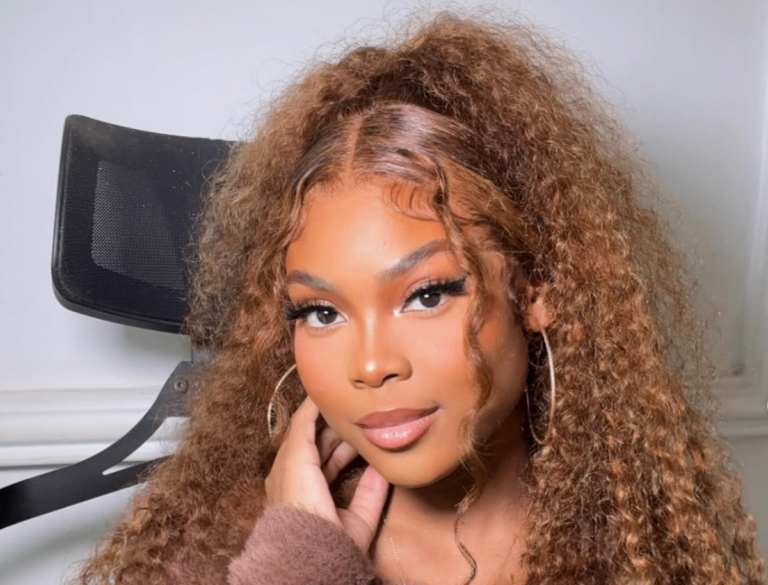
Dr. Jackie Walters wears many hats. She’s a practicing OB-GYN, a two-time breast cancer survivor, and a reality TV star on Bravo’s Married to Medicine. But ask her what truly drives her, and the answer isn’t fame or cameras—it’s helping women feel confident, informed, and in control of their health.
“Whether it’s sharing my experiences with infertility or cancer, it’s important for me to be authentic. I hope that by being open about my journey, I can inspire women to prioritize their health and feel empowered to take charge of their care,” she tells BlackDoctor.org.
On-screen, viewers see Dr. Walters balancing the realities of life as a physician, wife, and friend. Off-screen, she’s just as candid when discussing topics like infertility, cancer, and contraception.
“Being on Married to Medicine gives me a chance to connect with women outside the exam room in a way I couldn’t before,” she adds. “My hope is that viewers take away more than just the entertainment and feel empowered to ask questions, get the facts, and talk openly with their doctors about what’s right for them, including birth control options like long-acting reversible birth control, known as LARCs.”
RELATED: Which Contraceptive Is Right for You? 4 Things to Consider
In today’s digital age, social media heavily influences how women think about their bodies—something Dr. Walters sees daily.
“Misinformation is everywhere. In fact, a lot of my patients now bring in TikToks or other posts they’ve seen about birth control, and many of them aren’t accurate or are not telling the full story,” she cautions.
She recalls a recent visit with a young patient who was sexually active but not on birth control.
“She opened TikTok and showed me some of the videos she’d seen about weight gain, which really highlighted how tangible and widespread the misinformation is, but it also created a great opportunity to educate,” Dr. Walters shares.
To clear up myths, she walks patients through the facts and shares real stories of women who use methods like LARCs.
“It’s all about giving women trusted information so they can make decisions that work best for their lives,” she notes.
For Dr. Walters, contraception isn’t just a medical choice—it’s a personal one.
“When a woman is considering birth control, I encourage her to feel comfortable asking questions. Every woman should feel empowered to have an open and honest conversation with her doctor about what’s most important to her,” she says.
She encourages women to weigh what matters most: convenience, side effects, or cost. From there, a healthcare provider can walk through the options.
“Today, there’s a wide array of choices, from short-acting contraception, such as the pill, patch and ring, to LARCs, such as the implant and IUD, so women can work with their doctor to find the option that works best for them,” she shares.
RELATED: Empower Your Plan: Navigating Maternal Health, Unplanned Pregnancy & Contraception
For women seeking long-term, low-maintenance protection, Dr. Walters often recommends LARCs like the hormonal implant NEXPLANON® and IUDs. These methods are more than 99% effective and last for years.
“They are discreet, highly effective, and provide protection for multiple years without daily dosing,” she explains.
She finds them especially practical for young women, such as college students.
“For college students heading back to school, I like to approach these conversations with openness. I talk with the college student, and if she wants, her mother, to make sure she has the information she needs,” Dr. Walters notes.
She also reminds women that no birth control prevents STIs—condoms are still necessary. And while methods like the pill, patch, or ring work well, their success depends on consistent use.
“With methods like the pill, patch, or ring, timing and regular use are required. Pills need to be taken at the same time every day, the patch changed weekly, and the ring reinserted once a month, which can be challenging for busy students,” she explains.
Still, every method comes with trade-offs. With NEXPLANON, for example, one of the most common side effects is a change in menstrual bleeding patterns.
“I’m very honest that one common side effect is a change in menstrual bleeding patterns, so patients know what to expect and can make an informed choice,” she says.
Her goal is always the same: informed decision-making.
“…I find that the more informed you are, the more you are able to have a dialogue to answer any important questions you may have. We go through both the benefits and the risks of each birth control method so they can decide if a method is right for them,” she shares.
For Dr. Walters, World Contraception Day is more than symbolic.
“Because there’s so much misinformation out there, I see moments, like World Contraception Day, as opportunities to make sure women are hearing from trusted, credible sources,” she adds. “Women deserve access to accurate information so they can feel confident making informed decisions in partnership with their healthcare providers. It’s also a chance to highlight the importance of contraception for anyone who isn’t trying to get pregnant, and to remind women that there are options available that can fit their individual needs.”
Dr. Walters encourages women to think beyond contraception when it comes to reproductive health.
“Beyond birth control, I encourage women to have open conversations with their doctors about a range of reproductive care options. For example, egg freezing is something we’re discussing more, especially for women in their late 30s who aren’t planning to have children soon but want the option later,” she notes.
“We also talk about surrogacy and other family-building options, so women can understand all the possibilities and make informed decisions that fit their goals and timelines,” she adds.
At the heart of Dr. Walters’ work is one guiding belief: women shouldn’t feel alone in their health decisions.
“My message is that you don’t have to navigate this alone. Every woman should feel empowered to ask questions, think about what matters most to her, and partner with her healthcare provider to choose the method that best fits her needs,” she concludes.
Important Safety Information About NEXPLANON®
NEXPLANON is a prescription birth control implant placed under the skin of the upper arm to prevent pregnancy for up to 3 years. It is not suitable for everyone. You should not use NEXPLANON if you are pregnant or think you may be pregnant, have or have had blood clots, certain cancers, liver disease, or unexplained vaginal bleeding. Like all prescription medications, it comes with possible side effects and risks. Speak with your healthcare provider for complete information, including whether NEXPLANON is right for you.
For full prescribing information, click here.


By subscribing, you consent to receive emails from BlackDoctor.com. You may unsubscribe at any time. Privacy Policy & Terms of Service.