Most people think of vaccines this way: you get vaccinated, and your immune system prepares to fight a virus or bacteria that enters the body. The vaccine serves as the catalyst to set up protection, prevent infection, and prevent you from infecting others.
Unfortunately, it is not quite that simple. Not all vaccines work that way, and it’s not actually what the two COVID-19 vaccines authorized by the U.S. Food and Drug Administration—made by Moderna and Pfizer-BioNtech—are designed to do. Their effectiveness is measured by how well they protect people against moderate to severe COVID-19 disease—not how well they prevent infection or spread of the COVID-19 virus itself.
Interestingly, although the shots are 94% to 95% effective in preventing disease, there is no definitive data yet that proves they completely shut down the virus enough to stop it from moving from an infected person to someone else. i.e. if that vaccinated but the infected person isn’t wearing a mask or isn’t keeping the recommended six feet apart from others.
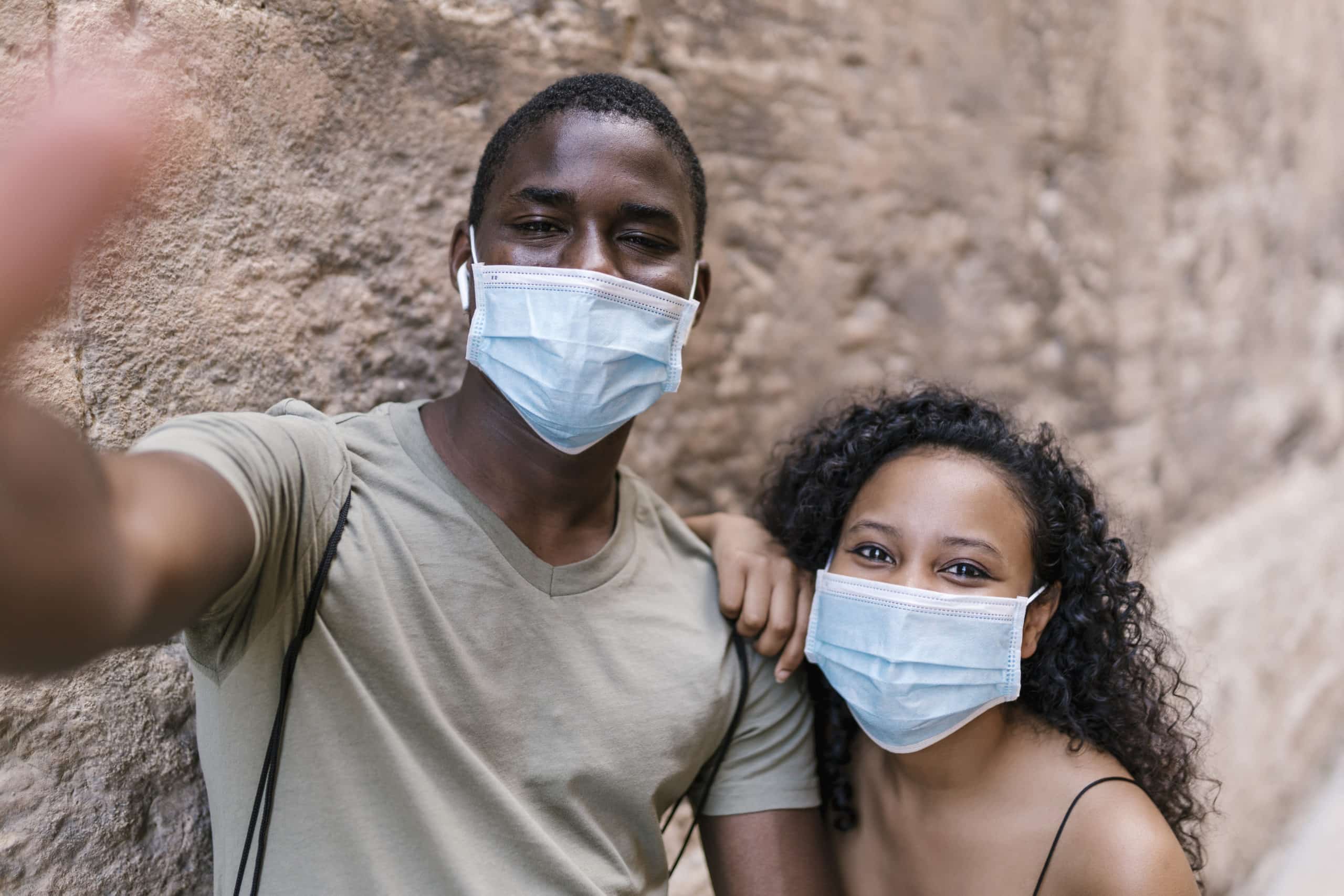
This lack of data explains why public health officials have said that even if you’re vaccinated, you need to continue wearing the mask, remaining six feet apart, and avoid large gatherings – even if your guests are all vaccinated, start holding intimate dinner parties with your other vaccinated friends and family.
Several months will need to pass in order to see if the virus moves from a vaccinated person to someone else.
AstraZeneca and one by a group of Israeli scientists recently published data suggesting that COVID-19 vaccines might reduce the spread of the virus.
On Feb. 1, AstraZeneca and its academic partners at the University of Oxford reported the results of their late-stage, Phase 3 studies of their vaccine. It’s made from a weakened adenovirus that causes infections in chimps, which was modified to carry the genetic instructions for making a COVID-19 viral protein.
This protein triggers the human immune system to make antibodies against it, which, if the vaccinated person is then infected with the virus, can block the actual COVID-19 virus from sticking to and infecting cells.
In the study, the scientists said that their shot was 67% effective in protecting people from COVID-19 disease, and nearly 100% effective in shielding them from severe disease requiring hospitalization.
They also took weekly swabs from the study volunteers and tested them for the COVID-19 virus, and found 50% fewer positive tests among people who were vaccinated than among people who weren’t.
Because people who don’t test positive are less likely to be infected, and therefore unable to spread the virus, they extrapolated from that data that their shot can lower spread of the virus.
Public health officials say the findings still need to be confirmed. It is true that people who were vaccinated had less virus in them if they were infected, but one cannot conclude that they don’t spread the virus to others. As infectious disease experts like to say, all it takes is one virus to cause an infection.
“The fact is that what they showed is that there was decreased viral shedding, or decreased detection of the virus,” says Dr. Carlos del Rio, an infectious disease expert and executive associate dean at Emory University. That doesn’t mean, he says, that the virus isn’t still there and can’t be transmitted to another person.
It remains unclear whether getting vaccinated can stop you from spreading the virus if you’re infected. Definitive studies to confirm that haven’t been completed yet.
Follow the recommendation that even if you have gotten both shots: wear a mask, practice social distancing, and avoid crowded areas, especially indoors.
Everyone is pandemic weary, but if these practices continue to be followed, it will be harder for the virus to continue spreading.


By subscribing, you consent to receive emails from BlackDoctor.com. You may unsubscribe at any time. Privacy Policy & Terms of Service.