A woman calls her 88-year-old aunt every week. She is a sweet white-haired lady, a retired nurse and a former member of the usher board at church. The first sign something was off was when the aunt dropped an f-bomb in the middle of a phone call. It was so unexpected that the niece burst out laughing. What she didn’t know is that foul language can be a sign of dementia.
Uncharacteristic use of profanity is just one of the personality changes associated with memory loss. If you have a loved one living with dementia, you will be able to communicate more effectively with them if you understand the illness and its impact.
The term dementia covers a number of medical conditions, including Alzheimer’s disease, caused by changes in the brain. The damaged brain cells cause memory loss and lead to a decline in thinking skills that will eventually cause the person to lose the ability to live independently.
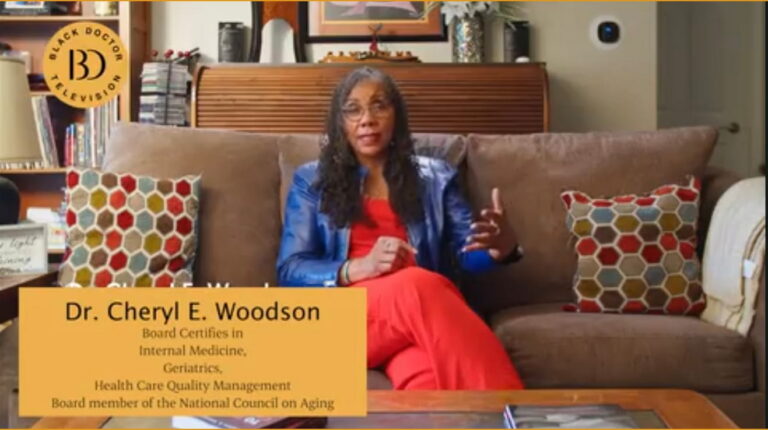
Featured on BlackDoctor
Dementia is progressive, it gets worse over time and changes in the brain often lead to changes in a person’s personality.
Alzheimer’s & dementia: tips for better communication
If you have a loved one with dementia or Alzheimer’s, communicating with them takes patience and understanding. The intent is to make yourself easy to understand and to minimize anxiety for the person with dementia. The following are tips on how to talk to someone with dementia.
Speak directly to the person. Address the person directly, rather than talking to a caregiver or companion.
Don’t ask a short-term memory question. They won’t remember. If you ask them a question they can’t answer, they will get frustrated, embarrassed or make something up. Instead of asking what they ate today, say something general like, “I hear the food here is delicious.” Rather than ask what they did today, mention that the weather is lovely outside.
Ask simple questions. “Would you like some coffee?” is better than “May I get you something to drink?”
Don’t argue. Don’t say, “remember, I told you that.” If they get confused and say something that isn’t true, state your perception of the
situation. But don’t argue. If a loved one is agitated in the afternoon, try to schedule activities for the morning, when possible.
In addition to the don’ts mentioned above, there are some dos that help when communicating with loved ones with memory loss
Identify yourself. The time will come when your loved one won’t recognize you. Or if you change your hair or wear a hat, they won’t realize it’s you. Say, “It’s me, (your name), your niece.”
Limit distractions. Move to a quiet place and turn down the TV before beginning a conversation.
Acknowledge agitation. When a loved one is upset or agitated, let them know you understand. The anxiety is a reaction to realizing they are losing control. Speak in a calm, soothing voice. Distract the person with a snack or activity.
Recall the good old days. Long-term memories are the last to go. Ask them about their childhood, their siblings, their pets, their first job. Chances are, your loved one will gladly share stories from years ago.
Let yourself laugh. People with dementia generally retain their social skills. Use your sense of humor and they will likely respond in kind.
Verbal communication is not the only way to connect with a person living with dementia. In fact, appealing to all the senses will be enjoyable for your loved one.
Play some jazz. Alzheimer’s disease has little effect on the part of the brain linked to musical memory. So crank up the Miles Davis or Nancy Wilson hits or your loved one’s favorite old-school jams. Music relieves stress and reduces anxiety and depression in people with Alzheimer’s disease.
Soothe with scent. Your loved one will also appreciate familiar scents, like their favorite flower or the smell of biscuits baking.
Share a tasty treat. While you’re at it, they will appreciate the taste of their favorite foods as well. Or let them try something new
Over time, the communication skills of a person with dementia will decline. The tactics you use to reach your loved one may work some days, but not others.
Remember to be calm and patient and that often agitated behaviors are a sign of anxiety. Treat your loved one with dignity and respect. When you don’t know what to say, music, food and your presence speak volumes.
BlackDoctor is the world’s largest and most comprehensive online health resource specifically for the Black community. BlackDoctor understands that the uniqueness of Black culture - our heritage and our traditions - plays a role in our health. BlackDoctor gives you access to innovative new approaches to the health information you need in everyday language so you can break through the disparities, gain control and live your life to its fullest.
✦ AI Search Disclaimer This AI-powered search tool helps you find relevant health articles from the BlackDoctor.org archive. Please keep the following in mind:
✦ For Informational Purposes Only The information provided through this AI search is for general educational and informational purposes only. It is not intended as a substitute for professional medical advice, diagnosis, or treatment.
✦ Always Consult a Healthcare Provider Never disregard professional medical advice or delay seeking it because of something you have read through this search tool. If you have a medical emergency, call your doctor or 911 immediately.
✦ AI Limitations This search tool uses artificial intelligence to help match your queries with articles in our archive. While we strive for accuracy, AI-generated results may occasionally be incomplete, outdated, or not fully relevant to your specific situation.
✦ No Doctor-Patient Relationship Using this search tool does not create a doctor-patient relationship between you and BlackDoctor.org or any healthcare provider.
Explore over 35,000 articles and videos across black health, wellness, lifestyle and culture