Menu

Diet, Stress, & CSU: How You Can Control Chronic Hives

Table of Contents
Chronic Spontaneous Urticaria

Chronic Spontaneous Urticaria (CSU) is a condition that causes persistent hives and skin swelling, often without a clear trigger. For many, it can feel like an unsolvable mystery—one day, you’re fine, and the next, your skin is flaring up with no warning. But what if managing CSU wasn’t just about prescriptions and doctor visits? What if the food you eat and the way you handle stress could make a real difference?

For Black communities, CSU can be even more challenging due to health disparities, underdiagnosis, and a lack of culturally relevant resources. 

Why CSU Hits Differently in Black Communities

CSU doesn’t just affect the body—it affects quality of life. The itching, swelling, and unpredictability can disrupt sleep, work, and mental well-being. Research suggests that CSU is underdiagnosed in Black communities due to disparities in healthcare access, implicit bias in medical treatment, and a general lack of awareness about the condition.

Featured on BlackDoctor

Healthcare Disparities and Misdiagnosis

Black patients are less likely to be referred to dermatologists and allergists compared to white patients, leading to delayed or incorrect diagnoses. Many doctors dismiss CSU symptoms as eczema, allergies, or stress-related rashes without deeper investigation. This means Black people suffering from CSU may go untreated for years, enduring avoidable discomfort.

RELATED: Living with Chronic Hives: 4 Tips For Coping

The Role of Inflammation and Diet

Chronic inflammation plays a significant role in CSU, and diet can either help or worsen inflammation. Traditional soul food, while deeply rooted in culture and history, often includes ingredients that can contribute to inflammation—fried foods, processed meats, and excessive sugar. However, with a few tweaks, soul food can be transformed into a healing tool rather than a trigger.

Stress and CSU in Black Communities

Living in a world where systemic racism, microaggressions, and daily stressors are constant realities means that stress levels in Black communities are often higher than average. Stress is a major trigger for CSU flare-ups. Finding culturally relevant ways to manage stress, from mindfulness practices to community support, is key to keeping symptoms at bay.

Anti-Inflammatory Foods for CSU Relief

Diet is one of the most powerful tools for reducing inflammation and managing CSU. Incorporating anti-inflammatory foods can help regulate the immune system and reduce the frequency of hives.

Best Anti-Inflammatory Foods for CSU

  1. Dark Leafy Greens – Collard greens, kale, and spinach are rich in antioxidants and help fight inflammation.
  2. Fatty Fish – Salmon, mackerel, and sardines contain omega-3 fatty acids, which reduce inflammation.
  3. Turmeric and Ginger – Both spices have powerful anti-inflammatory properties. Adding turmeric to soups and ginger to teas can help soothe symptoms.
  4. Berries – Blueberries, strawberries, and blackberries are packed with antioxidants that reduce oxidative stress.
  5. Sweet Potatoes – High in beta-carotene, sweet potatoes help regulate the immune system.
  6. Olive Oil – A staple in Mediterranean diets, olive oil contains healthy fats that support heart and skin health.
  7. Nuts and Seeds – Almonds, walnuts, and flaxseeds are rich in omega-3s and vitamin E, which promote skin healing.

Foods to Avoid

Some foods are known to trigger CSU flare-ups by increasing inflammation or causing histamine reactions. Common culprits include:

  • Dairy – Can be inflammatory and may contribute to hives in some individuals.
  • Fried and Processed Foods – These foods promote inflammation and can make symptoms worse.
  • Excess Sugar – Leads to insulin spikes and inflammation.
  • Alcohol – Increases histamine levels, which can trigger hives.

By making small, consistent changes to your diet, you can help reduce flare-ups and support overall skin health.

Stress and CSU: Mindfulness Practices to Try Today

Stress is one of the biggest triggers for CSU. When stress levels rise, the body releases histamine, which can lead to hives and swelling. Incorporating mindfulness and relaxation techniques can help reduce stress-related flare-ups.

RELATED: Understanding Chronic Hives – Causes, Symptoms, and Treatment Options

Mindfulness Practices for CSU Relief

  1. Deep Breathing – Practicing diaphragmatic breathing can lower stress levels and prevent flare-ups. Try the 4-7-8 method: inhale for four seconds, hold for seven seconds, and exhale for eight seconds.
  2. Meditation – Daily meditation, even for just five to 10 minutes, can calm the nervous system. Apps like Liberate Meditation offer guided sessions specifically for Black users.
  3. Journaling – Writing down your emotions and tracking flare-ups can help identify triggers and reduce stress.
  4. Physical Activity – Exercise, especially low-impact activities like yoga, walking, or dancing, helps regulate stress hormones.
  5. Community Support – Talking to friends, family, or support groups about your experiences can provide emotional relief.

Finding the right stress-relief method is personal—what works for one person might not work for another. The key is consistency and creating a routine that helps you feel centered.

Healing Through Food: Soulful, Healthy Recipes

Just because you’re eating for your health doesn’t mean you have to give up on soulful, comforting meals. Here are some anti-inflammatory recipes that bring both healing and flavor to your table.
chronic hives

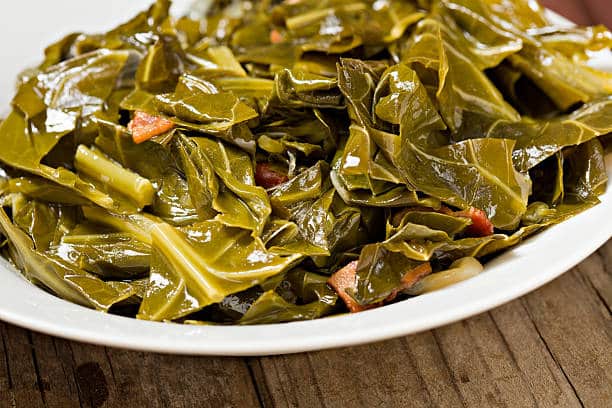
Turmeric-Spiced Collard Greens

Ingredients:

  • 1 bunch collard greens, chopped
  • 1 tbsp olive oil
  • 2 cloves garlic, minced
  • 1 tsp turmeric
  • ½ tsp black pepper
  • ½ tsp sea salt
  • 1 cup vegetable broth

Directions:

  1. Heat olive oil in a large pan. Add garlic and sauté for 1-2 minutes.
  2. Add collard greens, turmeric, black pepper, and salt. Stir well.
  3. Pour in vegetable broth, cover, and let simmer for 10-15 minutes until greens are tender.

Sweet Potato & Black Bean Stew

Ingredients:

  • 2 medium sweet potatoes, diced
  • 1 can black beans, drained and rinsed
  • 1 can diced tomatoes
  • 1 small onion, chopped
  • 2 cloves garlic, minced
  • 1 tsp cumin
  • ½ tsp smoked paprika
  • 2 cups vegetable broth

Directions:

  1. In a large pot, sauté onions and garlic until soft.
  2. Add sweet potatoes, tomatoes, cumin, and smoked paprika. Stir well.
  3. Pour in vegetable broth and bring to a boil. Reduce heat and simmer for 20 minutes.
  4. Add black beans and cook for another 10 minutes. Serve warm.
chronic hives

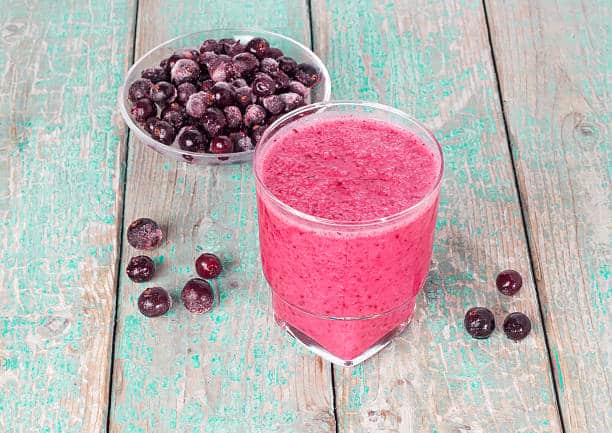
Berry-Ginger Smoothie

Ingredients:

  • 1 cup mixed berries
  • 1-inch piece fresh ginger
  • 1 cup almond milk
  • 1 tbsp flaxseeds
  • ½ banana

Directions:

  1. Blend all ingredients until smooth. Enjoy as a refreshing, anti-inflammatory boost!

Managing CSU isn’t just about taking antihistamines—it’s about creating a lifestyle that reduces inflammation and stress. By incorporating healing foods, avoiding common triggers, and practicing mindfulness, you can take control of your health and find relief from chronic hives.

Our bodies are powerful, and with the right tools, we can heal from within. Whether it’s through a bowl of turmeric-spiced collard greens, a daily meditation session, or simply making time to breathe deeply, every small step brings you closer to balance.

Have you tried any of these methods for managing CSU? Let’s keep the conversation going—your story might be the encouragement someone else needs.


SHARE
Related Stories
Answer the question below
What actions have you taken regarding your leaky heart valve?

Get our Weekly Newsletter

Stay informed on the latest breakthroughs in family health and wellness. Sign up today!

By subscribing, you consent to receive emails from BlackDoctor.com. You may unsubscribe at any time. Privacy Policy & Terms of Service.

More from BlackDoctor

Where Culture Meets Care

BlackDoctor is the world’s largest and most comprehensive online health resource specifically for the Black community. BlackDoctor understands that the uniqueness of Black culture - our heritage and our traditions - plays a role in our health. BlackDoctor gives you access to innovative new approaches to the health information you need in everyday language so you can break through the disparities, gain control and live your life to its fullest.
✦ AI Search Disclaimer
This AI-powered search tool helps you find relevant health articles from the BlackDoctor.org archive. Please keep the following in mind:
✦ For Informational Purposes Only
The information provided through this AI search is for general educational and informational purposes only. It is not intended as a substitute for professional medical advice, diagnosis, or treatment.
✦ Always Consult a Healthcare Provider
Never disregard professional medical advice or delay seeking it because of something you have read through this search tool. If you have a medical emergency, call your doctor or 911 immediately.
✦ AI Limitations
This search tool uses artificial intelligence to help match your queries with articles in our archive. While we strive for accuracy, AI-generated results may occasionally be incomplete, outdated, or not fully relevant to your specific situation.
✦ No Doctor-Patient Relationship
Using this search tool does not create a doctor-patient relationship between you and BlackDoctor.org or any healthcare provider.
Explore over 35,000 articles and videos across black health, wellness, lifestyle and culture
Full AI Search Experience >
×

Download PDF

Enter your name and email to receive the download link.

BlackDoctor AI Search