In December 2020, a new variant of the coronavirus that causes COVID-19 was reported in the news media, and since then, other variants have been identified. The new variants raise questions: Is the coronavirus more contagious now? Will the vaccines still work? Are there new or different things you should do now to keep your family safe?
Variants of viruses occur when there is a change (mutation) to the virus’s genes. The nature of RNA viruses such as the coronavirus is to evolve and change gradually. Mutations in viruses — including the coronavirus causing the COVID-19 pandemic — are neither new nor unexpected. All RNA viruses mutate over time, some more than others.
Flu viruses change often, which is why doctors recommend that you get a new flu vaccine every year.
Multiple variants of the SARS-CoV-2 coronavirus that are different from the version first detected in China are being seen. One mutated version of the coronavirus was detected in southeastern England in September 2020.
That variant, now known as B.1.1.7, quickly became the most common version of the coronavirus in the United Kingdom, accounting for about 60% of new COVID-19 cases in December. Other variants have emerged in South Africa, Brazil, California, and other areas.
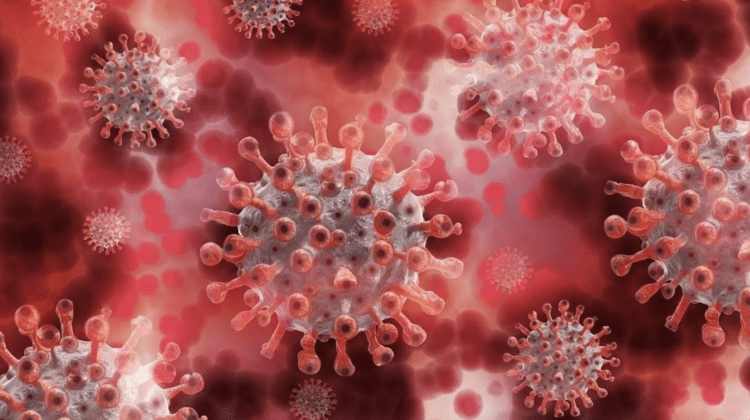
There are 17 genetic changes in the B.1.1.7 variant from England with some preliminary evidence that it is more contagious. Scientists noticed a surge of cases in areas where the new strain appeared. Some of the mutations in the B.1.1.7 version seem to affect the coronavirus’s spike protein, which covers the outer coating of SARS-CoV-2 and gives the virus its characteristic spiny appearance. These proteins help the virus attach to human cells in the nose, lungs, and other areas of the body, causing COVID-19 illness. This mutation may cause the virus to attach itself more securely than the prior version.
However, thus far, the news is somewhat reassuring. Although mutations may enable the coronavirus to spread faster from person to person, and more infections can result in more people getting very sick, overall, there is not yet clear evidence that any of these variants are more likely to cause severe disease or death.
One of the main concerns is whether any of the variants could affect treatment and prevention. Mutations may allow the coronaviruses to escape the antibodies in currently available therapies and those induced by vaccines. More data is needed to investigate this possibility.
Could a new COVID-19 variant affect children more frequently than earlier strains?
Experts in areas where the new strain is appearing have found an increased number of cases in children, but the data show that kids are being infected by old variants, as well as the new ones.
Will there be more new variants of the coronavirus?
Yes. As long as the coronavirus spreads through the population, mutations will continue to happen. In 2020, several mutations caught researchers’ attention and raised concern, but further study revealed no major changes in how the coronavirus behaves.
New variants of the SARS-CoV-2 virus are detected weekly. Most come and go — some persist but don’t become more common; some increase in the population for a while, and then die out. When a change in the infection pattern first pops up, it can be very hard to tell what’s driving the trend: changes to the virus, or changes in human behavior.
What additional COVID-19 precautions are needed for the new coronavirus mutations?
None of the new coronavirus variants call for any new prevention strategies at this time, except to continue our current course of distancing and mask-wearing. Human behavior is important. The more people who are infected, the more chances there are for a mutation to occur. Limiting the spread of the virus through maintaining COVID-19 safeguards (mask-wearing, physical distancing, and practicing hand hygiene) gives the virus fewer chances to change. It also reduces the spread of more infectious variants, if they do occur.
Will the COVID-19 vaccine work on the new strains?
There is some evidence from laboratory studies that some immune responses of current vaccines could be less effective against some of the new strains. People who have received the vaccines should watch for changes in guidance from the CDC [Centers for Disease Control and Prevention], and continue with coronavirus safety precautions to reduce the risk of infection, such as mask-wearing, physical distancing, and hand hygiene.
Flu virus mutations occur yearly and likewise, an eye on mutations of this coronavirus will be noted and tracked.
How concerned should we be about coronavirus variants?
When the evidence is strong enough that a viral genetic change is causing a change in the behavior of the virus, we can further assess how the virus works. As with any virus, changes are something to be watched, to ensure that testing, treatment, and vaccines are still effective. The scientists will continue to examine new versions of this coronavirus’s genetic sequencing as it evolves.
To help combat the virus we need to continue all efforts to prevent viral transmission and to vaccinate as many people as possible, as soon as possible.


By subscribing, you consent to receive emails from BlackDoctor.com. You may unsubscribe at any time. Privacy Policy & Terms of Service.