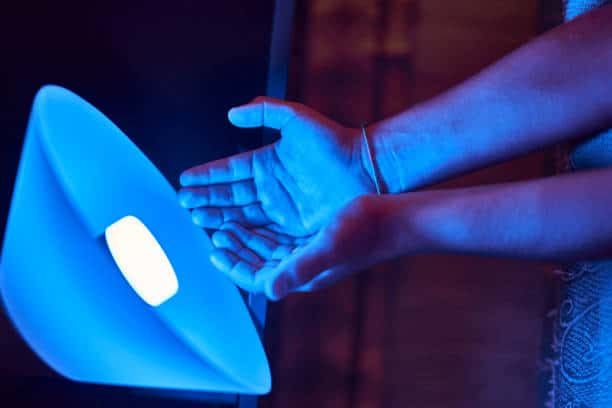
For many people with psoriasis and other skin conditions, taking certain precautions to protect their skin as well as using the right medications are enough to keep the disorders under control. However, for those who are dealing with moderate to severe forms of the disease, doctors may recommend other treatments. One such option is phototherapy, which is otherwise known as light therapy.
It may sound like standing in the sun is all you need to get a dose of light therapy but it’s a bit more complicated than that. This kind of therapy involves the targeted use of ultraviolet (UV) light on the areas that are affected or the entire body in some cases.
Depending on the type of treatment you’ve chosen, you may be dealing with UVA or UVB light. These treatments are typically carried out in controlled areas such as clinics or doctors’ offices though there are doctor-approved home treatments available.
It’s important to note that using a tanning bed does not count as light therapy as these beds are not designed to expose you to the right level of UV light that is required.
RELATED: The Skinny on Red Light Therapy
Light therapy is typically available in two broad categories: ultraviolet B (UVB) and ultraviolet A (UVA). UVB treatment tends to be more widely used as it only interacts with the upper layer of the skin and doesn’t require additional medication. UVA treatment is used in specific circumstances where doctors need to reach the deeper levels of the skin and it must be used in conjunction with a medication known as psolaren. Psolaren makes the skin more receptive to the effects of UVA light.
A few of the light therapy treatment options include:
There are also at-home UV treatment kits that your doctor may recommend after you’ve done the required number of
light therapy visits. These kits are usually safe but make sure to clarify the instructions with your doctor.
While the effectiveness of light therapy varies among the different treatment options, studies show that people with psoriasis experience significant relief.
The use of UV light has been shown to reduce inflammation in the skin as well as slow down the replication of skin cells. Both of these actions will result in fewer flare-ups and less irritated skin, which are characteristics of psoriasis.
Bear in mind that you’ll need a minimum number of visits to see a difference. Most health experts recommend at least 20 sessions that include 3-5 visits per week.
RELATED: Ten Ways To Prevent Psoriasis Flare-Ups
It’s best to consult with your dermatologist before starting light therapy. This precaution is necessary as the procedures can have certain side effects as well as cause significant issues for specific people.
For example, light therapy is not recommended for those who are currently taking contraceptives, antihistamines, diuretics, and sulfa drugs. If you’re dealing with lupus, a compromised immune system, or have a family history of skin cancers; your doctor might warn against this line of treatment.
As far as side effects go, make sure to discuss them in detail with your doctor. While the severity of the effects may differ from one person to the other, you can expect mild sunburn, temporary itchiness at the treatment site, blisters, and the development of brown spots.
Light therapy might not suit everyone who has psoriasis but it’s been found to be effective for those who give it a try. If you’ve been diagnosed with moderate to severe psoriasis, talk to your dermatologist about other treatment options as they may be the best route to effectively managing your condition.

By subscribing, you consent to receive emails from BlackDoctor.com. You may unsubscribe at any time. Privacy Policy & Terms of Service.