Menu

Changes to Your Stool: What You Need to Know

Table of Contents
ulcerative colitis stool

Ulcerative colitis (UC) is a lifelong inflammatory disease of the colon and rectum. The autoimmune disease causes changes in stools (poop) ranging from diarrhea and bloody stools to constipation and urgent bowel movements.

Why Your Poop Changes

Changes in the consistency, color, smell, or frequency of stools are often the first clue that a person with UC is moving from a period of low disease activity (remission) to an active flare. Recognizing these changes can ensure that the appropriate treatments are dispensed to reduce symptoms, avoid potentially serious complications, and achieve remission.

This article explains how ulcerative colitis causes changes in stools and bowel movements. It also lists foods that trigger UC flares and ways to effectively treat stool-related symptoms of ulcerative colitis.

Featured on BlackDoctor

Why Does Ulcerative Colitis Affect the Stool?

Ulcerative colitis is a chronic condition, meaning that it is persistent with recurrent episodes. Currently, there is no cure for UC.

UC causes intestinal inflammation and the development of open sores (ulcers) in the lining of the large intestine (colon) and rectum. This can lead to significant changes in stools and bowel habits by:
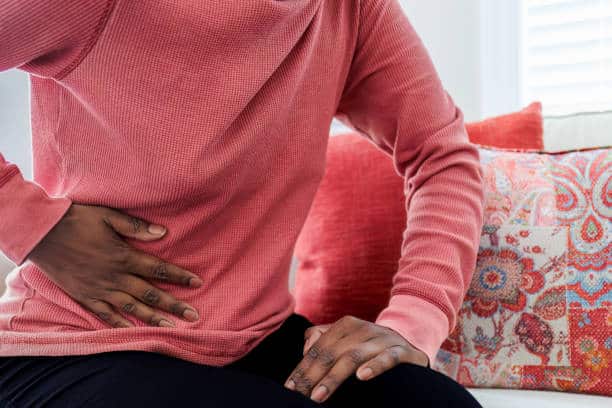
  • Increasing fluids in the intestine, leading to diarrhea and loose stools
  • Increasing intestinal contractions, which also promotes diarrhea along with pain and cramping
  • Increasing the production of intestinal mucus,
  • Causing bleeding from ulcers and disrupted tissues, resulting in bloody stools
  • Making the intestine hypersensitive, leading to bowel urgency (the sudden need to defecate)
  • Causing ulcerative proctitis, in which inflammation is limited to the rectum, causing constipation instead of diarrhea

RELATED: Poop Color Chart: Why Is My Poop That Color?

ulcerative colitis stool

What Are The Stool Symptoms Of Ulcerative Colitis?

In people with ulcerative colitis, stool changes are due to the inflammatory damage of the lining of the large intestine. This can cause changes in the color, appearance, texture, and smell of stools as well as the frequency of bowel movements.

Color/Appearance

A Bristol Stool Chart is a tool used by healthcare providers to characterize bowel movements based on how a stool looks. It classifies stools into seven groups, broadly categorized as:

  • Types 1-2: Suggestive of constipation
  • Types 3-4: Within the range of normal stools
  • Types 5-7: Suggestive of diarrhea

In addition to the texture and appearance of stools, the color of stools can also hint at problems associated with UC:

Stool Smell

Foul-smelling stools are common in people with UC. There are several reasons for this:

  • Intestinal infections can cause a “rotten” smell.
  • Blood in the intestines can give the stools a bloody or metallic smell.
  • The accumulation of mucus in stools creates a pungent, foul odor.
  • The malabsorption of nutrients can cause fermentation that gives stools a “funky” smell.
  • The disruption of the natural gut flora can give rise to unhealthy bacteria and fungi that emit a foul or fishy smell.

Bowel Frequency

UC can change how often you have bowel movements, either by increasing or decreasing their frequency.

Frequent bowel movements are more characteristic of ulcerative colitis. The severity of UC is classified as follows:

  • Remission: Normal bowel function with no blood or urgency
  • Mild UC: Four or fewer loose bowel movements per day
  • Moderate UC: Four or more bowel movements daily with urgency
  • Severe UC: Six or more bloody stools daily
  • Fulminant UC: More than 10 bloody bowel movements per day

Infrequent bowel movements are characteristic of ulcerative proctitis. Symptoms include:

  • Reduced frequency of bowel movements
  • Firm stools
  • Difficulty passing stools
  • Painful bowel movements
  • Bloating
  • Abdominal cramping
  • A feeling of incomplete bowel movements

Other Bowel Symptoms

Diarrhea, bowel urgency, abdominal pain, cramping, mucus in stools, and bloody stools are common in people with ulcerative colitis.

Other symptoms include:

  • Fatigue
  • Fever
  • Nausea and vomiting
  • Bloating and gas
  • Chronic pelvic pain
  • Rectal pain
  • Anismus (inability to defecate)
  • Tenesmus (the feeling that you need to pass stools even though the bowels are empty)
  • Fecal incontinence (loss of bowel control)
  • Obstipation (inability to pass stool or gas)
  • Unintentional weight loss

While diet is not a cause of UC, certain foods and beverages make symptoms worse. The various food triggers commonly associated with UC can vary from one person to the next.

The following dietary changes may help relieve UC symptoms during an acute flare:

  • Limit dairy products, including whole-fat milk, butter, and cream.
  • Avoid carbonated beverages.
  • Avoid caffeinated beverages such as coffee or colas.
  • Avoid alcohol.
  • Reduce high-fiber foods like nuts, seeds, and raw vegetables.
  • Avoid spicy foods.

You should also drink plenty of water throughout the day, and eat smaller, snack-sized meals five or six times daily to place less stress on your digestive tract.

RELATED: 6 Habits Of People Who Have Great Poops

Prescription Drugs Commonly Used To Treat UC Include

Prescription drugs commonly used to treat UC include:

  • Aminosalicylates: Such as Asacol (mesalamine) or Azulfidine (sulfasalazine) to reduce inflammation
  • Corticosteroids: Such as prednisone and Entocort EC (budesonide) to reduce inflammation
  • Immunomodulators: Such as Imuran (azathioprine) or cyclosporine to temper the immune response
  • Biologic therapies: Such as Remicade (infliximab) or Simponi (golimumab, to temper specific parts of the immune system linked to UC inflammation
  • Janus kinase (JAK) inhibitors: Such as Xeljanz (tofacitinib) or Zeposia (ozanimod) that suppress a specific enzyme linked to UC inflammation

Stress is another factor that can contribute to changes in the stool. The brain-gut connection is thought to play a role in the inflammation of the GI tract. Managing stress levels might help decrease diarrhea and other UC-related bowel problems

Exercise also helps with the movement of stools, which can be especially helpful if you have constipation. It also stimulates feel-good hormones called endorphins, which can improve moods and help lift UC-related fatigue.

Quitting cigarettes should also be a part of the treatment plan. Tobacco smoke not only promotes inflammation but causes the narrowing of blood vessels in the intestine, slowing the healing of damaged tissues.


SHARE
Related Stories
Answer the question below
What actions have you taken regarding your leaky heart valve?

Get our Weekly Newsletter

Stay informed on the latest breakthroughs in family health and wellness. Sign up today!

By subscribing, you consent to receive emails from BlackDoctor.com. You may unsubscribe at any time. Privacy Policy & Terms of Service.

More from BlackDoctor

Where Culture Meets Care

BlackDoctor is the world’s largest and most comprehensive online health resource specifically for the Black community. BlackDoctor understands that the uniqueness of Black culture - our heritage and our traditions - plays a role in our health. BlackDoctor gives you access to innovative new approaches to the health information you need in everyday language so you can break through the disparities, gain control and live your life to its fullest.
✦ AI Search Disclaimer
This AI-powered search tool helps you find relevant health articles from the BlackDoctor.org archive. Please keep the following in mind:
✦ For Informational Purposes Only
The information provided through this AI search is for general educational and informational purposes only. It is not intended as a substitute for professional medical advice, diagnosis, or treatment.
✦ Always Consult a Healthcare Provider
Never disregard professional medical advice or delay seeking it because of something you have read through this search tool. If you have a medical emergency, call your doctor or 911 immediately.
✦ AI Limitations
This search tool uses artificial intelligence to help match your queries with articles in our archive. While we strive for accuracy, AI-generated results may occasionally be incomplete, outdated, or not fully relevant to your specific situation.
✦ No Doctor-Patient Relationship
Using this search tool does not create a doctor-patient relationship between you and BlackDoctor.org or any healthcare provider.
Explore over 35,000 articles and videos across black health, wellness, lifestyle and culture
Full AI Search Experience >
×

Download PDF

Enter your name and email to receive the download link.

BlackDoctor AI Search