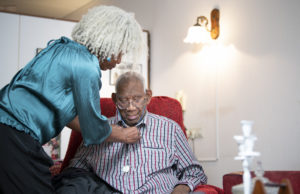
Life is full of uncertainties, and that includes when a loved one might need a caregiver. Most people wouldn’t think twice about serving as a caregiver if someone they loved had the misfortune of developing a terminal illness or was left disabled after a severe accident or stroke.
At the moment, it is hard to see beyond the need of your loved one, and it would feel selfish to most if they took a moment to think through how this decision could affect them directly. They take on that role wholeheartedly, but eventually, it can take a toll on them, physically and mentally. The signs of caregiver fatigue can resemble depression:
-Low or irritable mood
-Decreased interest in activities that were previously enjoyed
-Changes in sleep
-Fatigue, both emotionally and physically
-Impaired concentration and memory
-Appetite and/or weight changes
-Thoughts of wanting to harm yourself or the person being cared for
-Isolating from family and friends
-Weakened immune system leading to more acute illnesses such as colds and flu
-Increased use of substances such as alcohol or sleep aids
Often when I interact with someone who is suffering from caregiver fatigue, they are so overwhelmed with their
caregiver duties they are neglecting their own wellbeing. Even when they realize what is going on with them, they tend to feel that there is nothing that can be done to change their situation. While there may be little than can be done about the condition of the person requiring care, the approach to caregiving can be addressed and may lead to improvement of symptoms:
1. Take Time To Evaluate Whether Expectations Are Realistic
If you have a false sense of what you can accomplish as a caregiver or if you are putting more on yourself than you can handle, this process will be extremely difficult. Periodically checking in to make sure that the plan is reasonable and that you can keep things in order and keep yourself in check.
2. Enlist The Troops
If it is at all possible to obtain help, please do so. Being a caregiver is more than one person should take on, yet people often take it on alone because they don’t feel they have other options. Strained family relationships, pride or feelings of being a burden on others prevent people from asking for help.
The truth is, sometimes there are people who would be willing to help but don’t know how, so asking them for
help directly is best. It is also important to remember that sometimes asking for small favors can go a long way. Having someone come sit with your loved one in the evening to allow you to go to dinner with a friend can provide a much-needed break
3. Educate Yourself
Learn as much as possible about the condition of your loved one. Being knowledgeable about their condition can help shape your expectations about their course of illness and will make you a more effective caregiver
4. Seek Professional Help
For certain illnesses, there are specific caregiver support groups that can provide a release for the caregiver. If that isn’t available or suitable, finding a therapist or clergy member for counseling can help the caregiver deal with a wide range of emotions. For caregivers with a history of depression or anxiety, it would be recommended to continue in treatment with your mental health provider

Dr. Nicole Washington is a board-certified psychiatrist, speaker, author and host of The C-Suite Confidant, a biweekly podcast covering topics pertinent to mental wellness for the high performer. She enjoys discussing and providing education on all things mental wellness in hopes of decreasing the stigma associated with mental health issues.



By subscribing, you consent to receive emails from BlackDoctor.com. You may unsubscribe at any time. Privacy Policy & Terms of Service.