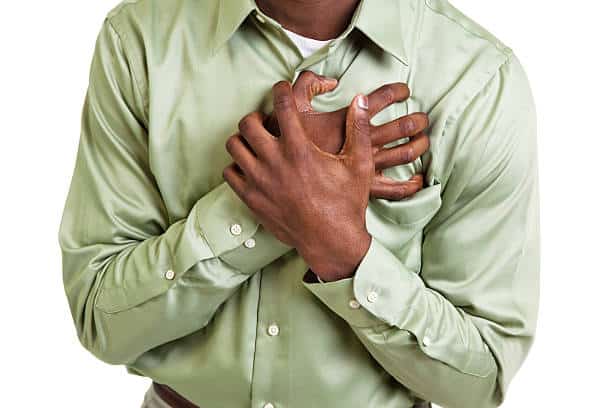
There are many different heart conditions that can affect the blood vessels to the heart or brain, heart muscles and valves, and other areas of the body. Some may require long-term treatment, while some can come on suddenly and seriously.
Buffalo Bills safety Damar Hamlin and most recently Bronny James, LeBron’s eldest son, experienced the latter.
After what appeared to be a routine tackle, Hamlin collapsed on the field during a Monday Night Football game against the Cincinnati Bengals. In an official statement, the Bills later revealed that the 24-year-old had suffered a cardiac arrest and was in critical condition after needing AED and CPR on the field.
But what exactly is cardiac arrest and how does it differ from a heart attack?
Many people tend to confuse and interchange the terms “heart attack” and “cardiac arrest,” but it is very important to note that these are two completely different medical conditions.
Understanding these differences can help save lives.
RELATED: How To Dramatically Boost Survival of Cardiac Arrest
A cardiac arrest is a sudden collapse in an individual who is non-responsive and has abnormal breathing. Abnormal breathing is either agonal respiration, or gasping, or not breathing at all.
According to the American Heart Association, more than 350,000 cardiac arrests occur outside a hospital in the United States each year.
In sudden cardiac arrest, the heart stops completely. In this situation, it is important to call 911 and administer CPR if necessary. Unless treated, a person suffering from cardiac arrest can die within minutes.
“Cardiac arrest may be reversed if CPR is performed and a defibrillator shocks the heart and restores a normal heart rhythm within a few minutes,” the AHA notes.
Although cardiac arrest is not the same as a heart attack, almost any known heart condition, including a heart attack, can
cause cardiac arrest.
Commotio cordis, disruption of heart rhythm after a blow to the area directly over the heart at a key time during a heartbeat cycle can also lead to cardiac arrest.
Although commotion cordis is rare, it typically occurs in boys and young men during sports.
Sudden loss of responsiveness
The person doesn’t respond, even if you tap them hard on the shoulders or ask loudly if they’re OK. The person doesn’t move, speak, blink or otherwise react.
No normal breathing
The person isn’t breathing or is only gasping for air.
RELATED: 7 Very Early Signs You’ll Have A Heart Attack
A heart attack occurs when the arteries supplying the heart become blocked. The first branches of the aorta sit on top of the heart like a crown. They’re called coronary arteries. If you block these branches, the heart doesn’t get enough blood. The result is a myocardial infarction, which is the technical term for a heart attack.
Heart attacks are more common than cardiac arrest.
“People who are at risk for heart attacks are people who have a family history of heart attack, having high cholesterol, high blood pressure, diabetes, lack of exercise, cigarette smoking – the major risk factors we always discuss,” Dr. Nieca Goldberg, medical director of Atria New York City and clinical associate professor of medicine at NYU Grossman School of Medicine, previously told CNN.
Heart attacks can be fatal, however, they do not automatically lead to death. In fact, immediate emergency medical help can
often prevent a serious outcome.
“If you think someone is having an heart attack, call 911. Don’t wait,” Goldberg said. It is also important to take an ambulance to the hospital instead of catching a ride with a family member or friend because an ambulance is equipped to offer treatment on the way to the hospital.
Chest Discomfort
Most heart attacks involve discomfort in the center of the chest that lasts more than a few minutes, or that goes away and comes back. It can feel like uncomfortable pressure, squeezing, fullness or pain.
Discomfort in other areas of the body
Symptoms can include pain or discomfort in one or both arms, the back, neck, jaw or stomach.
Shortness of Breath
with or without chest discomfort.
Other Signs
may include breaking out in a cold sweat, nausea or lightheadedness.
Despite the differences between a heart attack and cardiac arrest, both of these conditions share one extremely important detail: in the case of either, it is crucial that you seek medical attention immediately. Otherwise, further damage to the heart muscle can occur and an irregular heart rhythm may develop.
If you think someone is suffering from a heart emergency, call 911 immediately. The person may need emergency care such as Cardiopulmonary Resuscitation (CPR) or Electrical Shock (Defibrillation) until emergency medical personnel arrive. At the hospital, doctors can perform tests to determine the specific heart condition in question and decide on the best treatment.


By subscribing, you consent to receive emails from BlackDoctor.com. You may unsubscribe at any time. Privacy Policy & Terms of Service.