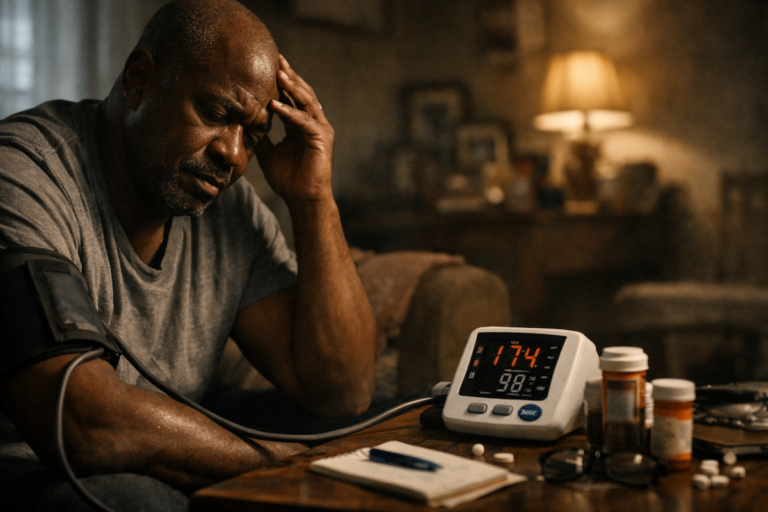
Researchers say certain medications used for blood pressure, kidney disease, heart failure, and diabetes could increase suicide risk.
Researchers say people using angiotensin receptor II blockers (ARBs) are more likely to die by suicide than people who take angiotensin-converting enzyme inhibitors (ACE inhibitors).
The researchers mentioned the research is preliminary and needs follow-up studies. Still, they say people with mental health issues should consult with their doctors before taking these types of medications.
There could be a link between commonly prescribed drugs and whether they could contribute to the possibility of suicide. A study published in JAMA Network Open suggests more research may establish a relationship between drugs prescribed for high blood pressure and other conditions and whether they increase a person’s risk for suicide.
Specifically, researchers looked for connections between older adults who died by suicide after being prescribed angiotensin receptor II blockers (ARBs) or angiotensin-converting enzyme inhibitors, commonly referred to as ACE inhibitors.
Both are drugs most often prescribed to people for hypertension, chronic kidney disease, heart failure, and diabetes.
The medications allow narrow blood vessels to open and blood to flow more freely. Researchers think that action could affect a person’s mental health.
Researchers from the University of Toronto performed a study using data from more than 3,800 adults aged 66 years and older. Of the people whose data was selected for the study, 964 died by suicide within 100 days of receiving ARBs or ACE inhibitors from 1995 to 2015.
The researchers said that people prescribed ARBs were more than 1.5 times more likely to…die by suicide than those given ACE inhibitors.
The data showed most commonly used ACE inhibitors were ramipril (Altace) and enalapril (Vasotec). The most common ARBs were valsartan (Diovan), telmisartan (Micardis), and candesartan (Atacand).
The study mentioned that those who died by suicide were more likely than those who didn’t to have been prescribed drugs connected to mental health, including antipsychotics, benzodiazepines, and mood stabilizers. The researchers were also swift to warn that their study had some flaws.
First, they said their research was observational. The researchers looked for how things occur, not whether one thing caused another. Second, more research is also needed to back up their findings. Researchers say they didn’t have access to essential records regarding other characteristics contributing to premature death, including substance use or emergency room visits. It’s unknown whether the study’s results would be the same for other populations.
RELATED: Blood Pressure Medication Side Effects You Should Look For
Dr. Sanjiv Patel, a cardiologist at Memorial Care Heart and Vascular Institute at Orange Coast Medical Center in California, called the findings from the study “interesting.”
“We need to keep in mind that they are preliminary findings, and since obvious, randomized control data is best, it would be interesting to hear psychiatrists’ clinical opinions about it,” he says.
Patel says it’s continuously useful for patients and their doctors to discuss any worries regarding new studies.
“If a patient has a history of mental illness, we as physicians need to seriously consider the potential implications of prescribing them certain medications that can potentially exacerbate their current mental and physical condition,” he shares.
The study cited an increased likelihood of suicide in people who had a history of alcohol abuse, anxiety, sleep disorders, psychosis, agitation, and other mental health issues.
Here are the drugs in these categories approved for use in the United States:


By subscribing, you consent to receive emails from BlackDoctor.com. You may unsubscribe at any time. Privacy Policy & Terms of Service.