Heart disease is the leading cause of death for Black Americans, yet myths, cultural habits, and generational patterns prevent many from getting early diagnosis and treatment. At BlackDoctor.org’s second annual “State of Black Health: What Now” Black Health Summit, hosted in collaboration with USA TODAY, a distinguished panel of cardiologists, health equity leaders, and patient advocates tackled these urgent issues, offering real solutions to protect Black families and create healthier generations.
Together, on the “Hidden Myths and Cultural Values in CV” panel, they debunked myths, challenged cultural norms, and provided actionable steps to prevent cardiovascular disease in Black communities.
Gerald Johnson II of the American Heart Association made it personal:
“I needed to know my numbers, and a third of the men in my group needed to see a doctor sooner than they thought.”
“If you say you love her, what are you doing to prove it? There’s nothing more valuable than asking, ‘How are your numbers? What do we need to change to be a healthier family?’”
Dr. Anthony Lozama challenged men to prioritize their health:
“We want to provide, we want to protect—but you can’t do that if you’re not healthy.”
“It doesn’t matter if you have a giant Air Jordan collection or drive a Bentley—if you’re not alive to enjoy them.”
“We have men in the gym, bench pressing 5000 pounds. But ask them their cholesterol level? Clueless. We have to normalize these conversations.”
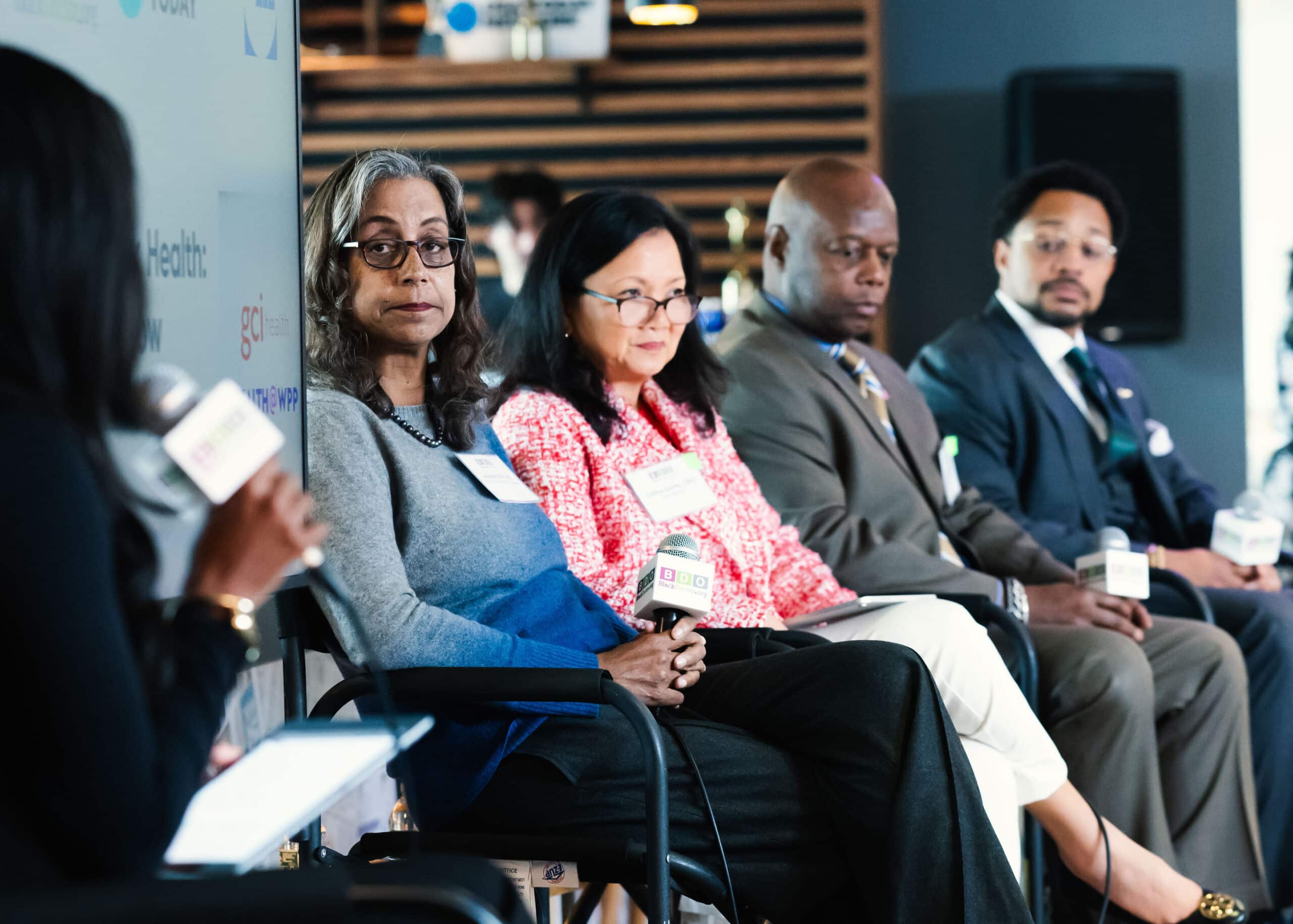
Celina Gorre of WomenHeart dispelled the “sudden heart attack” myth:
“Someone close to me recently passed from a heart attack, and we kept saying how unexpected it was. But heart disease doesn’t just happen overnight—it’s been developing for decades.”
“We need to recognize the signs early and stop acting like these deaths come ‘out of the blue.’”
“Trust starts with listening. If a patient doesn’t feel heard, they won’t trust the doctor,” Dr. Lozama said. “But patients also have a role. Don’t walk in assuming the system is against you. If you feel dismissed, say something. Seek a second or third opinion.”
“If you’re diagnosed with cancer, no matter how educated you are, your understanding drops to a sixth-grade level,” Dr. Jennifer Ellis said. “That’s why I always say: Bring someone with you to the doctor. They will catch things you miss.”
“Think about your grandparents,” Dr. Ellis added. Did you actually meet all four of them? Not just at birth, but when you were seven, eight, or nine?”
“If not, why? What did they die from? Why aren’t we talking about this as a family?”
“I grew up in a household where we didn’t talk about health. But once someone dies, suddenly, the stories come out,” Johnson said.“‘Oh yeah, Big Mama had high blood pressure.’ ‘Uncle Larry had a bad heart.’ But by then, it’s too late.”
“Our culture celebrates the Superwoman. The woman who takes care of everyone, never complains, never rests,” Gorre shared. “But let’s be real: We’re praising women for self-sacrifice. And it’s killing us. Taking care of yourself isn’t selfish. It’s the only way to be here for the long run.”
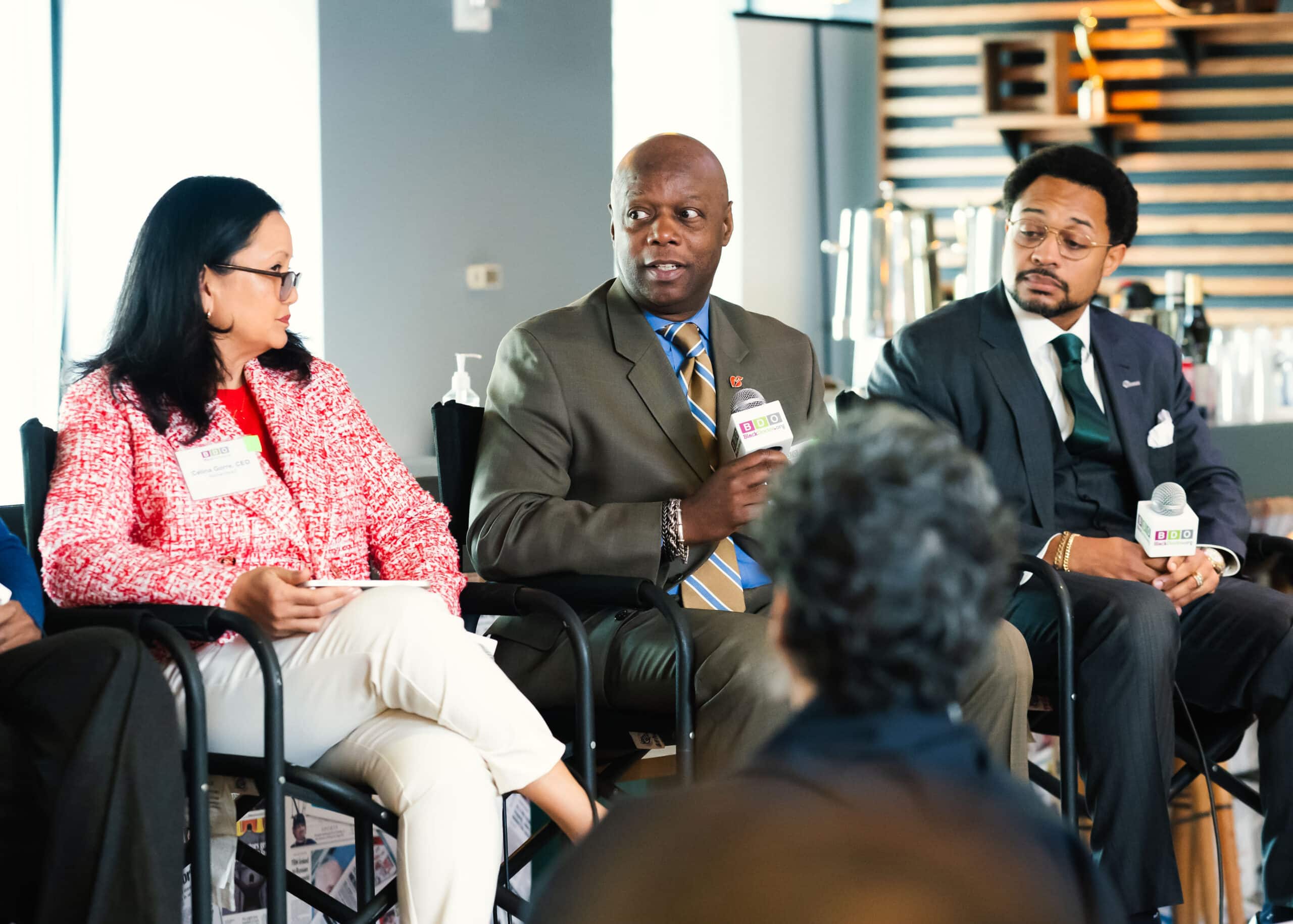
“We have to stop acting like heart disease is inevitable,” Johnson added.“You can’t control your race, age, or family history. But you can control your diet, exercise, and blood pressure. Your grandmother’s fate doesn’t have to be yours.”
2. Start the Family Conversation
3. Challenge the “Superwoman” Mentality
4. Advocate for Yourself at the Doctor’s Office
5. Demand Better Healthcare Access

Your heart matters. Let’s protect it—together.


By subscribing, you consent to receive emails from BlackDoctor.com. You may unsubscribe at any time. Privacy Policy & Terms of Service.