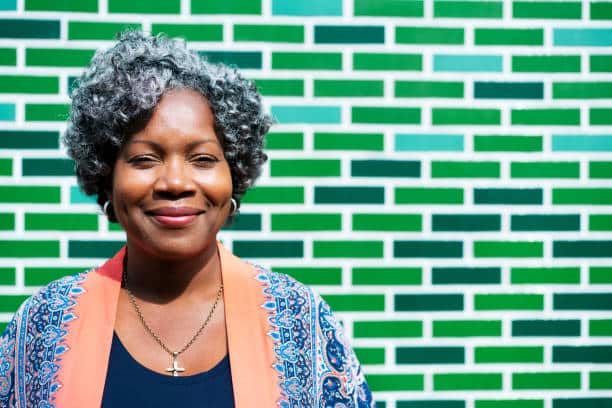
Are you feeling down, not seeing the world the way you once did? Do you feel heavyhearted, fatigued, and unable to enjoy the simple things?
Turns out, menopause could be causing your depression.
First off, let’s talk about menopause itself. Menopause marks the end of a woman’s reproductive years and typically occurs around the age of 51. However, for Black women, menopause can start earlier and last longer. According to the majority of research, Black women tend to experience menopause symptoms more severely and for a longer duration compared to white women. This prolonged transition phase can amplify the impact of hormonal changes on mental health.
And from there? Depression can become an issue…
You may not know it, but menopause and depression are often closely intertwined. Hormonal fluctuations, particularly changes in estrogen and progesterone levels, play a significant role. Estrogen and progesterone influence neurotransmitters in the brain that regulate mood, such as serotonin and dopamine. When these hormone levels drop during menopause, it can disrupt the delicate balance of neurotransmitters, leading to symptoms of depression.
Studies find that women transitioning through menopause are at a higher risk of developing depressive symptoms. One study in the Journal of Clinical Endocrinology & Metabolism revealed that Black women experience higher rates of depressive symptoms during perimenopause, the transitional phase before menopause.
Fortunately, none of this has to mean that you’ll be dealing with uncontrollable menopause. There are many strategies to deal with menopause.
RELATED: 5 Tips For Minimizing Mood Swings
Are you struggling to manage depression during menopause? Do you wish there was another way?
Here are multiple ways to lighten the mood and get back to feeling like you!
Studies have shown that calcium and vitamin D supplementation can help alleviate mood disturbances during menopause. Calcium supports nerve function, while vitamin D promotes serotonin production, a neurotransmitter linked to mood regulation. Aim for a daily intake of 1,000 to 1,200 milligrams of calcium and 600 to 800 international units of vitamin D.
Regular aerobic exercise has been shown to boost mood and reduce symptoms of depression. It’s not just about physical health; exercise also stimulates the release of endorphins, often referred to as “feel-good” hormones. Aim for at least 30 minutes of moderate-intensity aerobic activity, such as brisk walking, cycling, or swimming, most days of the week.
For some women, declining estrogen levels during menopause can lead to decreased libido, which can contribute to feelings of depression. Estrogen creams or other hormone therapies may help alleviate symptoms of vaginal dryness and improve sexual function, thereby boosting overall mood and well-being. However, it’s essential to consult with a healthcare provider to determine the most appropriate treatment approach.
While it may be tempting to reach for sugary snacks to lift your spirits, excessive sugar consumption can worsen mood swings and energy crashes. High sugar intake can disrupt blood sugar levels and contribute to inflammation, which can exacerbate depressive symptoms. Instead, focus on whole, nutrient-rich foods like fruits, vegetables, whole grains, and lean proteins to stabilize your mood and energy levels.
Hypertension, or high blood pressure, is more prevalent in Black women and has been linked to an increased risk of depression. Managing hypertension through lifestyle changes such as a healthy diet, regular exercise, stress reduction techniques, and medication if necessary, can help improve both physical and mental well-being.
As you know, menopause can be a challenging time for any woman, but for Black women, the impact on mental health can be particularly significant.
Understanding the link between menopause and depression is the first step towards finding effective coping strategies. By incorporating lifestyle changes such as supplementation, exercise, hormone therapy, dietary adjustments, and hypertension management, you can take back your life!
Remember, you’re not alone, and seeking support from healthcare professionals and loved ones can make all the difference on your menopausal journey.

By subscribing, you consent to receive emails from BlackDoctor.com. You may unsubscribe at any time. Privacy Policy & Terms of Service.