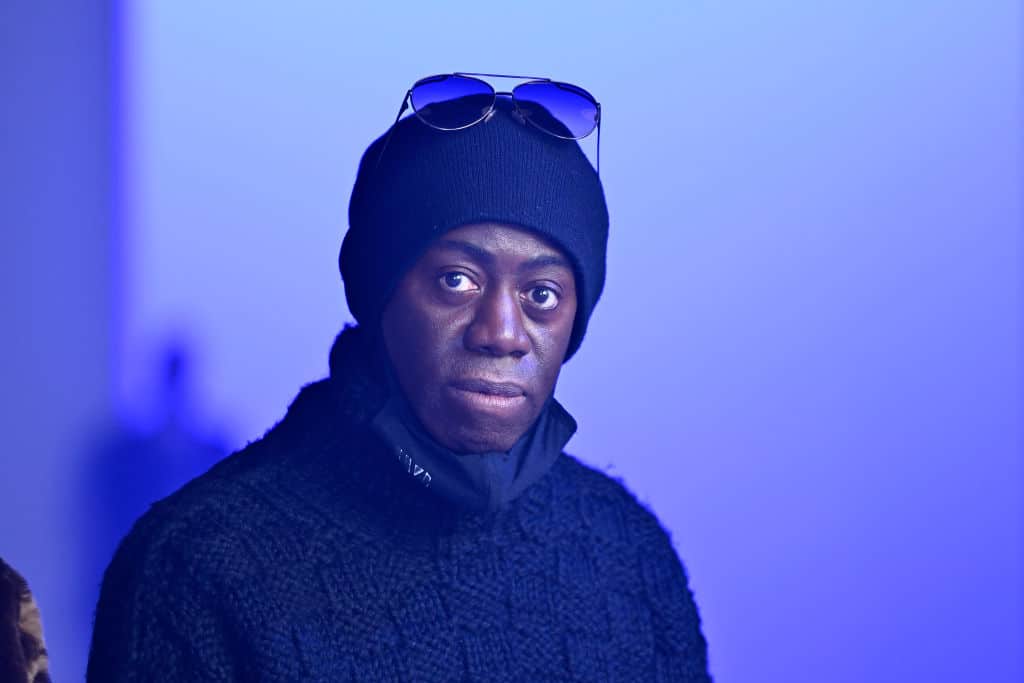
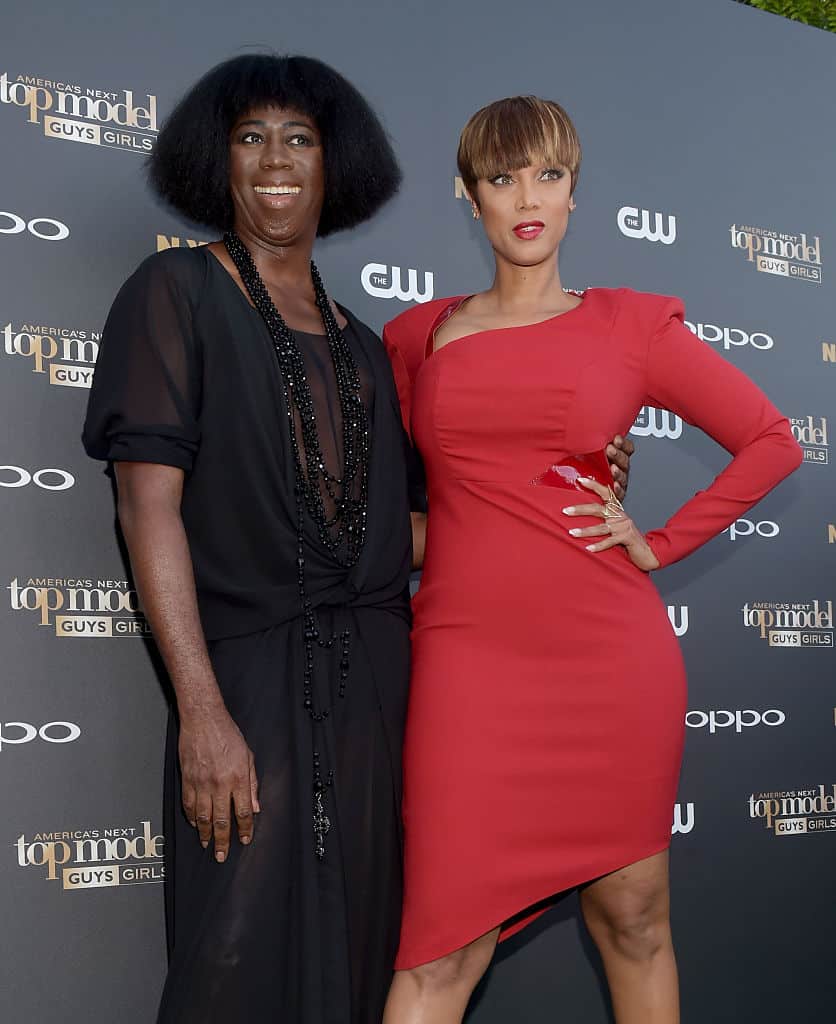
J. Alexander, widely known as Miss J from America’s Next Top Model, has captivated audiences for decades with his commanding presence as a runway coach and judge. Recently, he’s shared a powerful and personal chapter of his life: his battle after suffering a major stroke in late 2022. His story is one of vulnerability, resilience, and determination — and it also underscores the importance of recognizing stroke risks and warning signs, especially within African American communities.
On December 27, 2022, J. Alexander suffered a severe stroke that would dramatically change his life. In the Netflix documentary Reality Check: Inside America’s Next Top Model, he described waking in a hospital after being in a coma for five weeks, unable to walk or speak — a particularly heartbreaking reality for someone whose career was built on movement and communication.
He spent over a year in hospital care, where he began the long, grueling process of recovery. Alexander described the emotional toll candidly, admitting he cried — a reflection of the deep loss and challenge of redefining himself during recovery.
While the journey has been difficult, Miss J has shown incredible resolve. With ongoing physical and occupational therapy, he continues to regain function, relearning basic skills and pushing toward his goal of walking again. His spirit remains unbroken: as he puts it, “It’s not over for me yet.”
Along the way, longtime colleagues Nigel Barker and Jay Manuel provided emotional support with hospital visits and encouragement, moments that were deeply meaningful during some of his toughest days.
A stroke occurs when blood flow to a part of the brain is interrupted — either by a blocked artery (ischemic stroke) or a ruptured blood vessel (hemorrhagic stroke). Without oxygenated blood, brain cells begin to die within minutes, making stroke a medical emergency that demands immediate attention.
The faster a stroke is recognized and treated, the better the chances of survival and recovery. The American Heart Association and stroke awareness campaigns use the acronym F.A.S.T. to help people remember key symptoms:
F — Face drooping: One side of the face may droop or feel numb.
A — Arm weakness: One arm may drift downward when raised.
S — Speech difficulty: Speech may be slurred, strange, or hard to understand.
T — Time to call 911: If you see any of these signs, even briefly, get emergency help immediately — every minute counts.
Other symptoms can include sudden confusion, trouble seeing in one or both eyes, difficulty walking or loss of balance, and severe headache with no known cause.
Stroke affects all Americans, but African Americans face a significantly higher risk compared with other racial groups in the U.S.:
Black adults have nearly twice the risk of a first stroke compared with non-Hispanic White adults.
African Americans are more likely to die from stroke and to experience long-term disability from stroke than many other groups.
Multiple factors contribute, including higher rates of hypertension (high blood pressure), diabetes, obesity, and other conditions that increase stroke risk.
High blood pressure is especially prevalent and often more severe in Black communities, and it’s a major driver of stroke risk. Societal and structural health disparities — including access to care, healthy foods, and ongoing preventive health support — also play a role.
While some stroke risk factors — like age or family history — can’t be changed, as many as 80% of strokes may be prevented with lifestyle changes and good medical management. Controlling high blood pressure, managing diabetes, maintaining a healthy weight, quitting smoking, and staying active are all powerful steps toward reducing stroke risk.
In a GoFundMe created by Steven Grossman and Friends of Miss J Alexander, the ask for funds details the hope we see in J’s future:
For the past three years, Miss J. has been bravely fighting his way back and struggling to live independently. We are hoping to secure full-time, round-the-clock care and help with the on-going regular physical, speech, and occupational therapies. He is currently confined to a wheelchair stemming from what we hope is only temporary paralysis and his right arm remains immobile.
While he has shown incredible strength and resilience against all odds, the financial burden of ongoing treatment, specialized care, and daily living support is beyond overwhelming.
This GoFundMe has been created to help Miss J. focus on healing without the stress of mounting bills and medical expenses. Your donation—no matter the size—will go toward rehabilitation services, in-home care, medical bills, and essential living costs incurred on this long road of recovery.
Stroke recovery is often a long and challenging process, as J. Alexander’s journey shows. But stories like his also offer hope and a chance to raise awareness about the importance of early recognition, timely treatment, and ongoing care for stroke survivors. And his determination serves as a reminder that even after life-altering health events, many people can find strength and purpose on the long road to recovery.


By subscribing, you consent to receive emails from BlackDoctor.com. You may unsubscribe at any time. Privacy Policy & Terms of Service.