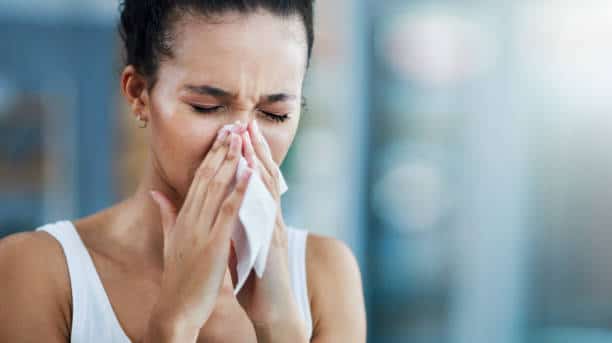
As the weather finally heats up, and the flowers reveal their beauty in bloom, so does that stubborn runny nose! When the nasal congestion refuses to cease, one may wonder whether they are suffering from allergies or a sinus infection. While both conditions can have similar symptoms, it is crucial to understand the differences between them.
When the immune system overreacts to harmless substances, known as allergens, in the environment, allergies occur. General allergens include pollen, trees, grass dust mites, pet dander, and mold spores.
When someone with allergies comes into contact with these allergens, their immune system releases histamines, causing a plethora of symptoms.
Common symptoms of allergies include:
Sinuses are air-filled cavities located around the nose and forehead.
A sinus infection (Or, sinusitis) is an infection of the sinuses. Sinus infections are typically caused by viruses, bacteria, or fungi. They usually develop as a secondary infection after a cold or respiratory illness. Unlike allergies, sinus infections are not triggered by allergens but by the invasion of pathogens.
Common symptoms of sinus infections include:
RELATED: 5 Home Remedies That Will Clear Your Sinuses Today
Determining when to seek medical care for allergies or a sinus infection depends on the severity and duration of the symptoms.
Mild allergies can be managed with over-the-counter antihistamines, nasal sprays, and avoiding known allergens.
But if symptoms persist or worsen, medical attention may be necessary.
It is recommended to seek medical care for the following situations:
RELATED: 7 Ways You’re Making Your Allergies Worse
Allergies are the immune system reactions triggered by allergens, while sinus infections result from inflammation or infection of the sinuses.
Understanding the differences between allergies and sinus infections can help people identify their symptoms and make informed decisions about seeking medical care.
Thankfully, mild cases for both can often be managed at home, it is essential to consult a healthcare professional if symptoms persist, worsen, or significantly impact daily life.


By subscribing, you consent to receive emails from BlackDoctor.com. You may unsubscribe at any time. Privacy Policy & Terms of Service.