Understanding the root causes and appropriate interventions is essential for effective, inclusive, and culturally sensitive hair growth management.
Understanding Hirsutism in Black Women
What is Hirsutism?
Hirsutism occurs when individuals who typically produce less body and facial hair abruptly develop a more traditionally “male-pattern” distribution, such as coarse hair on the upper lip, chin, chest, or back. This condition is often fueled by androgen excess or sensitivity.
Rates appear elevated among Black and African American women, though studies on prevalence and experience are limited. Much of the medical understanding has been shaped by predominantly white populations, with insufficient focus on how hirsutism is experienced, understood, and treated within Black communities.
Featured on BlackDoctor
Causes & Hormonal Links
The most frequent underlying cause is Polycystic Ovary Syndrome (PCOS)—a complex endocrine condition that leads to elevated androgens (like testosterone and DHEA), irregular periods, ovarian cysts, and insulin resistance. These hormonal shifts disrupt hair follicle growth cycles, triggering more persistent, coarse hair.
Other causes include adrenal disorders (e.g., Cushing’s syndrome, congenital adrenal hyperplasia), medication-induced hormone changes, and rare tumors. Sometimes, no identifiable cause is found—known as idiopathic hirsutism.
PCOS, Hormones, & Hair: Connecting the Dots
Role of Androgens
Androgens spur hair follicle enlargement and elongation phases, producing thicker terminal hair growth. In susceptible individuals, androgen-receptor sensitivity amplifies this, making even small hormone elevations impactful.
PCOS uniquely boosts androgen production. Studies show about 60–70 percent of women with PCOS experience hirsutism, and Black women may have even higher rates, though cultural and diagnostic disparities complicate data collection.
Insulin Resistance & Inflammation
Insulin resistance, a key feature of PCOS, elevates insulin and IGF-1 levels, which further stimulate ovarian androgen production. Chronic low-grade inflammation—widely reported in both PCOS and obesity—provokes oxidative stress, deepening hormone imbalance and hair growth dysregulation. Lifestyle modifications become essential in this context.
How Diet & Lifestyle Impact Hair Growth
Approach hirsutism holistically: consider not just biology, but food, movement, stress, and environment.
Low glycemic index eating—focusing on fiber, whole grains, legumes, and non-starchy vegetables—helps manage blood sugar levels.
Research shows reduced insulin spikes can lower androgen production over time.
Consideration: “Western” low-fiber, high-processed-carb diets have been linked to PCOS symptoms.
Weight & Adiposity
Even modest weight loss (5–10 percent) in overweight individuals can significantly lower insulin and androgens, improving hair growth and menstrual function. These recommendations also apply to Black women, who often face weight management challenges amid structural barriers.
Physical Activity & Sleep
Regular exercise improves insulin sensitivity, reduces inflammation, and improves mood.
Chronic stress boosts cortisol, which can indirectly affect testosterone and estrogen. Practices such as mindfulness, therapy, journaling, and community support are essential for maintaining hormonal and mental health.
Top Natural Remedies: Spearmint Tea, Turmeric, and Saw Palmetto
Here’s a breakdown of herbal approaches that have shown promise in research and anecdotal evidence.
Spearmint Tea
Mechanism: Anti-androgenic properties that lower free testosterone.
Safe Skincare for Removing Hair Without Damaging Melanin-Rich Skin
Black and deeply pigmented skin has distinct vulnerabilities—unique melanin-rich structures that require extra care to avoid hyperpigmentation and scarring.
Depilation vs. Epilation
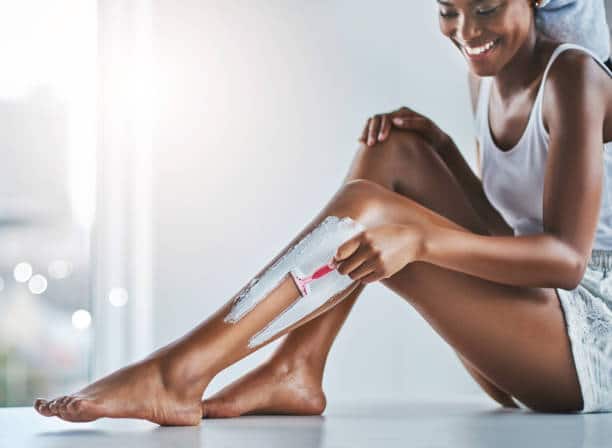
Depilatory methods: shaving, chemical creams—quick but often cause ingrown hairs or stubble.
Epilation methods: waxing, sugaring, tweezing, threading—longer-lasting but more irritation risk.
Professional removal: Laser and electrolysis offer hair reduction along with safety considerations for darker skin tones.
Laser Hair Removal
Best for dark skin: Nd: YAG laser (1064 nm); bypasses surface melanin, reducing burn and hyperpigmentation risk.
Only FDA-approved method for permanent hair removal.
Effective on all hair colors, including gray.
Time-intensive and requires skill, but suitable for small, sensitive areas (chin, etc.).
At-Home & Cosmetic Approaches
Bleaching can be a non-invasive cover-up (lasts ~4 weeks); suitable if hair is light enough.
Exfoliation with glycolic/salicylic acids helps prevent ingrown hairs.
Post-hair-removal care: topical aloe, hydrocortisone, sunscreen to reduce inflammation and hyperpigmentation.
Tailored Tips for Melanin-Rich Skin
Choose depilatory products labeled “for sensitive or dark skin.”
Avoid aggressive scrubs or waxing frequently.
Prioritize hydration and barrier repair with ingredients like shea butter, hyaluronic acid, and ceramides.
Always patch-test new treatments—even store-bought laser devices.
Mental Health Matters: Coping with Hair Growth–Related Shame or Anxiety
Excessive hair growth carries real emotional and psychological burdens, particularly for Black women navigating intersectional pressures of beauty standards and cultural narratives.
Shame, Identity & Social Pressure
Studies show hirsutism correlates with depression, low self-esteem, and social anxiety, especially when hormone imbalance also upsets menstrual health.
Media often centers whitened beauty ideals, lacks information about hair diversity among Black women, amplifying self-stigma.
Community & Culturally Affirming Care
Black women report better mental outcomes when hair, skin, and identity are normalized and accepted, whether via therapy or peer groups.
Exploring hair removal/alignment becomes a personal, not performance-based, choice.
Combine hormonal treatment with laser hair removal or electrolysis for best results.
A personalized, holistic approach is vital. For Black women, natural remedies can offer hormone balance and secondary benefits (like anti-inflammation and mental health support). Safe hair removal is equally important to protect melanin-rich skin from irritation and pigmentation.
Yet, hirsutism often connects to underlying conditions like PCOS. A thoughtful partnership with healthcare providers—who respect your identity, skin tone, and goals—can guide effective medical interventions and mental wellness strategies.
Natural solutions are robust, but they thrive best in integrative care. Whether you choose herbal remedies, lifestyle changes, or professional treatments, center your experience, biology, and cultural context, and always prioritize physical and mental safety.
BlackDoctor is the world’s largest and most comprehensive online health resource specifically for the Black community. BlackDoctor understands that the uniqueness of Black culture - our heritage and our traditions - plays a role in our health. BlackDoctor gives you access to innovative new approaches to the health information you need in everyday language so you can break through the disparities, gain control and live your life to its fullest.
✦ AI Search Disclaimer This AI-powered search tool helps you find relevant health articles from the BlackDoctor.org archive. Please keep the following in mind:
✦ For Informational Purposes Only The information provided through this AI search is for general educational and informational purposes only. It is not intended as a substitute for professional medical advice, diagnosis, or treatment.
✦ Always Consult a Healthcare Provider Never disregard professional medical advice or delay seeking it because of something you have read through this search tool. If you have a medical emergency, call your doctor or 911 immediately.
✦ AI Limitations This search tool uses artificial intelligence to help match your queries with articles in our archive. While we strive for accuracy, AI-generated results may occasionally be incomplete, outdated, or not fully relevant to your specific situation.
✦ No Doctor-Patient Relationship Using this search tool does not create a doctor-patient relationship between you and BlackDoctor.org or any healthcare provider.
Explore over 35,000 articles and videos across black health, wellness, lifestyle and culture