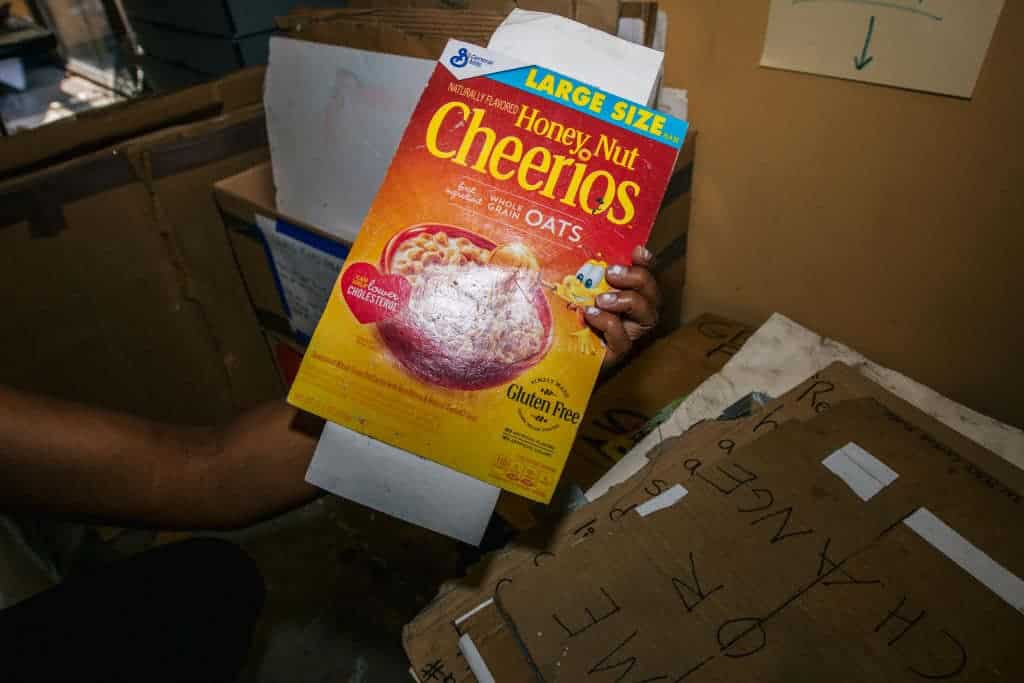
A recall of nearly 2,000 popular products that many of us like to snack on, including household names like Nutella and Cheerios, has been elevated due to a major safety risk for consumers.
Last month, Minnesota-based Gold Star Distribution, Inc. recalled a wide range of products after the FDA determined that the company’s facility was operating under unsanitary conditions. According to the agency’s report, inspectors found “the presence of rodent excreta, rodent urine, and bird droppings in areas where medical devices, drugs, human food, pet food, and cosmetic products were held.”
The 44-page list of products spans thousands of UPC codes, from crunchy Pringles tubes and Twix bars to the oh-so popular Hairbo gummy bears—household names untouched by manufacturing flaws but compromised downstream. Gold Star promises refunds upon proof of destruction sent to their address; direct manufacturer shipments like frozen goods escape the net.
Featured on BlackDoctor
On January 22, the FDA elevated the recall to a Class II designation, meaning that eating or using the affected items could pose a serious health risk.
The recalled products were sold at retailers across three states: Indiana, Minnesota, and North Dakota.
Which Products are Recalled?
Among the thousands of items impacted are several well-known snacks and breakfast staples, including:
Snack and candy products
Jif Crunchy Peanut Butter
Nutella
Skittles
Snickers
Twix
Haribo Gummy Bears
Pringles
Takis
Breakfast foods and baking ingredients
Kellogg’s Rice Krispies Cereal
Cheerios
Quaker Corn Meal
Special K Cereal
Lucky Charms Cereal
How Bad is Salmonella?
Salmonella is a type of bacteria that infects the intestines, usually after someone eats contaminated food or drinks contaminated water. It’s one of the most common causes of food poisoning.
Common symptoms (usually start 6 hours–6 days after exposure)
Most healthy adults experience:
Diarrhea (sometimes severe)
Fever and chills
Stomach cramps
Nausea and vomiting
Headache
Dehydration
Symptoms typically last 4–7 days, and many people recover without treatment.
(Photo by Justin Sullivan/Getty Images)
What it can do to the body (when it’s worse)
In more serious cases, salmonella can:
Cause severe dehydration, which may require IV fluids
Enter the bloodstream (bacteremia), allowing the infection to spread to organs
Trigger joint pain and swelling (reactive arthritis), which can last months or longer
Infect other organs, such as the heart lining, bones, or brain (rare but serious)
Who is most at risk?
Complications are more likely in:
Infants and young children
Adults over 65
Pregnant people
People with weakened immune systems (cancer treatment, HIV, transplant patients, etc.)
For these groups, salmonella can be life-threatening if not treated promptly.
When to seek medical care
You should contact a doctor if someone has:
Diarrhea lasting more than 3 days
High fever (over 102°F / 39°C)
Bloody stools
Signs of dehydration (very little urine, dizziness, dry mouth)
Symptoms in a high-risk person
What to Do if You Think You have Salmonella Poisoning?
Take symptoms seriously (but don’t panic). Then, you should:
1. Focus on hydration immediately
Diarrhea and vomiting can dehydrate you fast.
Sip water, oral rehydration solutions, or electrolyte drinks
Take small, frequent sips if you feel nauseated
Avoid alcohol, caffeine, and sugary drinks
Go to urgent care or the ER immediately if you can’t keep fluids down or feel dizzy/faint.
2. Rest your digestive system
Eat bland foods only if you can tolerate food (BRAT: bananas, rice, applesauce, toast)
Avoid dairy, spicy foods, greasy foods, and raw foods
Don’t force yourself to eat—hydration matters more early on
3. Be careful with medications
Do NOT take anti-diarrheal meds like loperamide (Imodium) unless a doctor tells you to—these can trap bacteria in your system
Acetaminophen (Tylenol) can help with fever or pain
Avoid NSAIDs (like ibuprofen) if you’re dehydrated
4. Call a doctor if symptoms are moderate or worsening
You should contact a healthcare provider if:
Diarrhea lasts more than 3 days
Fever is over 102°F (39°C)
You have bloody stools
You have severe abdominal pain
You’re in a high-risk group (infant, over 65, pregnant, immunocompromised)
A doctor may order a stool test and, in severe cases, prescribe antibiotics.
5. Prevent spreading it to others
Salmonella is contagious, so be sure to:
Wash hands thoroughly after using the bathroom
Don’t prepare food for others while sick
Disinfect bathroom surfaces
Avoid swimming pools until fully recovered
6. Watch for warning signs (get urgent help)
Seek immediate medical care if you notice:
Signs of dehydration (little urine, dry mouth, sunken eyes)
Confusion or extreme weakness
Persistent vomiting
Symptoms spreading beyond the gut (joint pain, chest pain)
Consumers are urged to check their homes for any recalled products and follow FDA guidance on disposal or returns.
BlackDoctor is the world’s largest and most comprehensive online health resource specifically for the Black community. BlackDoctor understands that the uniqueness of Black culture - our heritage and our traditions - plays a role in our health. BlackDoctor gives you access to innovative new approaches to the health information you need in everyday language so you can break through the disparities, gain control and live your life to its fullest.
✦ AI Search Disclaimer This AI-powered search tool helps you find relevant health articles from the BlackDoctor.org archive. Please keep the following in mind:
✦ For Informational Purposes Only The information provided through this AI search is for general educational and informational purposes only. It is not intended as a substitute for professional medical advice, diagnosis, or treatment.
✦ Always Consult a Healthcare Provider Never disregard professional medical advice or delay seeking it because of something you have read through this search tool. If you have a medical emergency, call your doctor or 911 immediately.
✦ AI Limitations This search tool uses artificial intelligence to help match your queries with articles in our archive. While we strive for accuracy, AI-generated results may occasionally be incomplete, outdated, or not fully relevant to your specific situation.
✦ No Doctor-Patient Relationship Using this search tool does not create a doctor-patient relationship between you and BlackDoctor.org or any healthcare provider.
Explore over 35,000 articles and videos across black health, wellness, lifestyle and culture