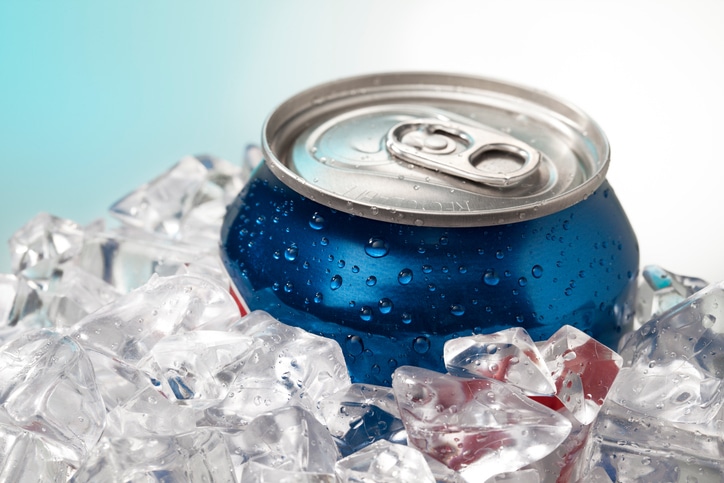
Drinking a can of sugary soda every day can dramatically heighten a person’s risk of developing a “warning sign” condition that precedes full-blown type 2 diabetes, a new study reports.
A person who drinks a daily can of sugar-sweetened beverage has a 46 percent increased risk of developing prediabetes, said senior researcher Nicola McKeown, a scientist with the Jean Mayer USDA Human Nutrition Research Center on Aging at Tufts University in Boston.
However, a can of diet soda every day does not boost prediabetes risk, the researchers found.
The results show how regular sugar intake can batter a person’s body on a cellular level, McKeown said.
Cells require the hormone insulin to break down sugar into energy, she said. But too much sugar in the diet can overexpose the cells to insulin.
“This constant spike in blood glucose over time leads to the cells not becoming able to properly respond, and that’s the beginning of insulin resistance,” McKeown said.
Once insulin resistance starts, blood sugar levels rise to levels that are damaging to every major system in the body.
Prediabetes is an important landmark on the way to type 2 diabetes, McKeown said. It means a person has elevated blood sugar — a sign of increasing insulin resistance — but has not entered full-blown type 2 diabetes.
Prediabetes is reversible if a person cuts back on sugar. Sugar-sweetened beverages are the leading source of added sugar in the American diet, the authors said in background notes.
These results show cutting back on sugary drinks is “a modifiable dietary factor that could have an impact on that progression from prediabetes to diabetes,” McKeown said.
For this study, McKeown and her colleagues analyzed 14 years of data on nearly 1,700 middle-aged adults. The information was obtained from the Framingham Heart Study, a federally funded program that has monitored multiple generations for lifestyle and clinical characteristics that contribute to heart disease.
Participants did not have diabetes or prediabetes when they entered the study. They self-reported their consumption of sugar-sweetened beverages and diet sodas.
The research team found those who drank the highest amounts of sugar-sweetened beverages — six 12-ounce servings a week, on average — had a 46 percent higher risk of prediabetes, if researchers didn’t weigh other factors.
The American Beverage Association counters that sugar in beverages isn’t the sole risk factor for prediabetes.
“Credible health organizations such as the Mayo Clinic note that the risk factors for prediabetes include factors such as weight, inactivity, race and family history,” the industry group said in a statement.
Authors of the new study noted that prediabetes risk did decline when they included factors such as other dietary sources of sugar and how much body fat a person had. But it didn’t fall much. The increased risk associated with sugary drinks still amounted to about 27 percent, McKeown said.
Because the study was observational, it does not establish a direct cause-and-effect link between sugary drinks and prediabetes, McKeown said.
But the association between the two makes sense, said Dr. Deena Adimoolam, an assistant professor of medicine, diabetes, endocrinology and bone disease with the Icahn School of Medicine at Mount Sinai in New York City.
“A 20-ounce of bottle of regular soda may contain up to 18 teaspoons of sugar,” Adimoolam said. “Be aware of what you are drinking every day, and don’t forget that drinks have calories, too.”
Previous studies have linked even diet sodas to an added risk of type 2 diabetes, but McKeown said the new findings show that diet drinks could provide a bridge to healthier habits for people with prediabetes.
“Incorporating diet soda while they are weaning themselves off the habit wouldn’t have any long-term negative health effects,” she said. “But eventually the majority of a person’s fluids should come from water.”
The study was published Nov. 9 in the Journal of Nutrition.


By subscribing, you consent to receive emails from BlackDoctor.com. You may unsubscribe at any time. Privacy Policy & Terms of Service.