Pregnancy can do something surprising to your hair. For months, your curls may look fuller. Your ponytail feels thicker. Your wash-day shedding seems lighter than usual. You might even start thinking pregnancy gave you the best hair of your life. Then the baby arrives.
A few months later, wash day looks completely different. Hair fills the comb. Strands cover your hands in the shower. Your edges may look thinner, and suddenly you’re searching online for hair-growth oils, vitamins, treatments, and protective styles. Before spending money on a “miracle” product, know this: postpartum shedding is very common, and for most women, it’s temporary. The American Academy of Dermatology (AAD) explains that postpartum shedding happens because estrogen levels fall after pregnancy. It usually doesn’t mean you’re permanently losing your hair. Understanding what’s happening can make those handfuls of hair feel a lot less scary.
To understand postpartum shedding, it helps to know how hair normally grows. Each hair moves through a cycle. There’s a growing stage, a short transition stage, and a resting stage. At the end of the resting stage, the old hair sheds and the cycle begins again. According to Cleveland Clinic, about 85 to 90 percent of your hair is normally in its growing stage. It’s also normal to shed hair every day.
Pregnancy temporarily changes that cycle. Higher estrogen levels keep more hairs in the growing stage and reduce normal shedding. That’s why your hair may seem thicker and fuller during pregnancy. You’re not necessarily growing more hair dramatically. You’re holding on to hair that normally would have already shed. After childbirth, estrogen levels fall. Many of those hairs eventually move into the resting stage and shed around the same time. That’s when things can get dramatic.
You may leave the hospital with the same thick hair you had during pregnancy. Then, a few months later, the shedding begins. This delay is normal because hair doesn’t immediately fall out when it enters its resting stage. Cleveland Clinic notes that postpartum shedding commonly begins around three months after childbirth and may continue for several months. This temporary shedding is called telogen effluvium.
The AAD explains that excessive shedding often begins a few months after a major change in the body, including childbirth. For many women, the hair gradually returns to its usual fullness. The AAD says most women see their normal fullness return by their child’s first birthday. So if your baby is three or four months old and your hair suddenly seems to be everywhere, the timing may make perfect sense.
RELATED: Postpartum Headaches? Here’s What They Could Mean
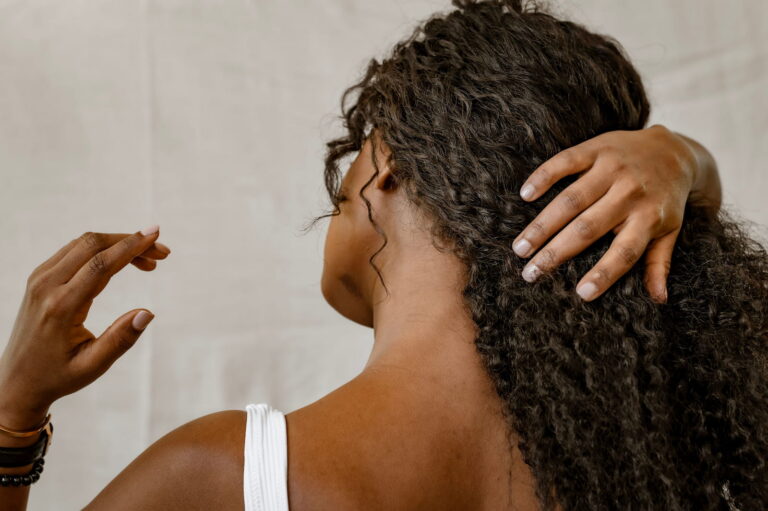
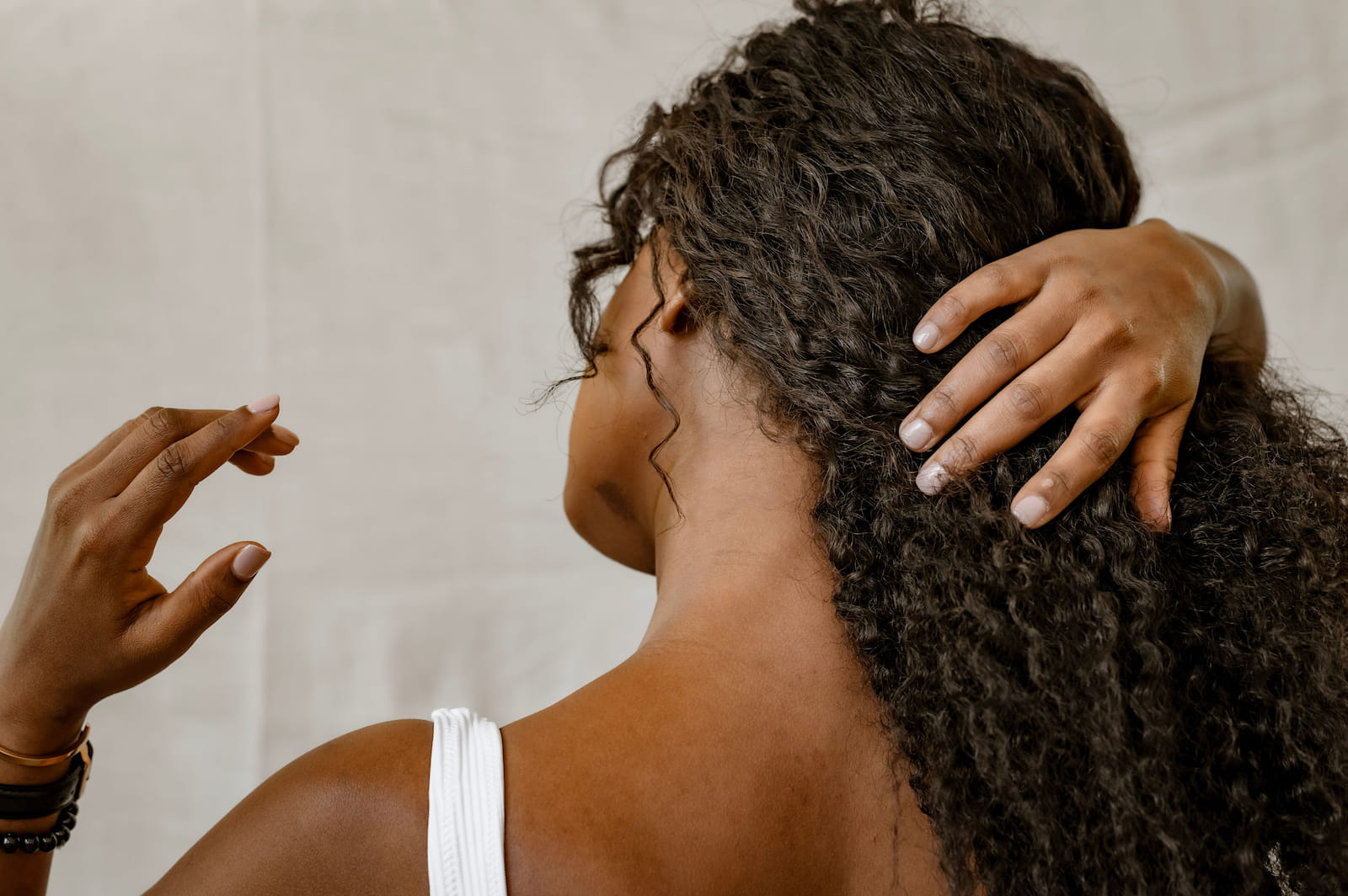
Postpartum shedding can be especially alarming with curly, coily, and textured hair. If you don’t comb or wash your hair every day, loose hairs may not fall onto the floor right away. They may stay caught between your curls, coils, braids, or other strands until you detangle or wash your hair.
That means several days—or even longer—of normal shedding may appear all at once. You take down your style, detangle your hair, and suddenly there’s a large ball of hair in your hands. It can look frightening. Try paying attention to your hair over several weeks instead of judging your hair by one wash day.
Also look at where the thinning is happening. Postpartum shedding usually affects the hair more generally. A bald patch, worsening hairline, or thinning mainly in the center of the scalp may deserve a closer look.
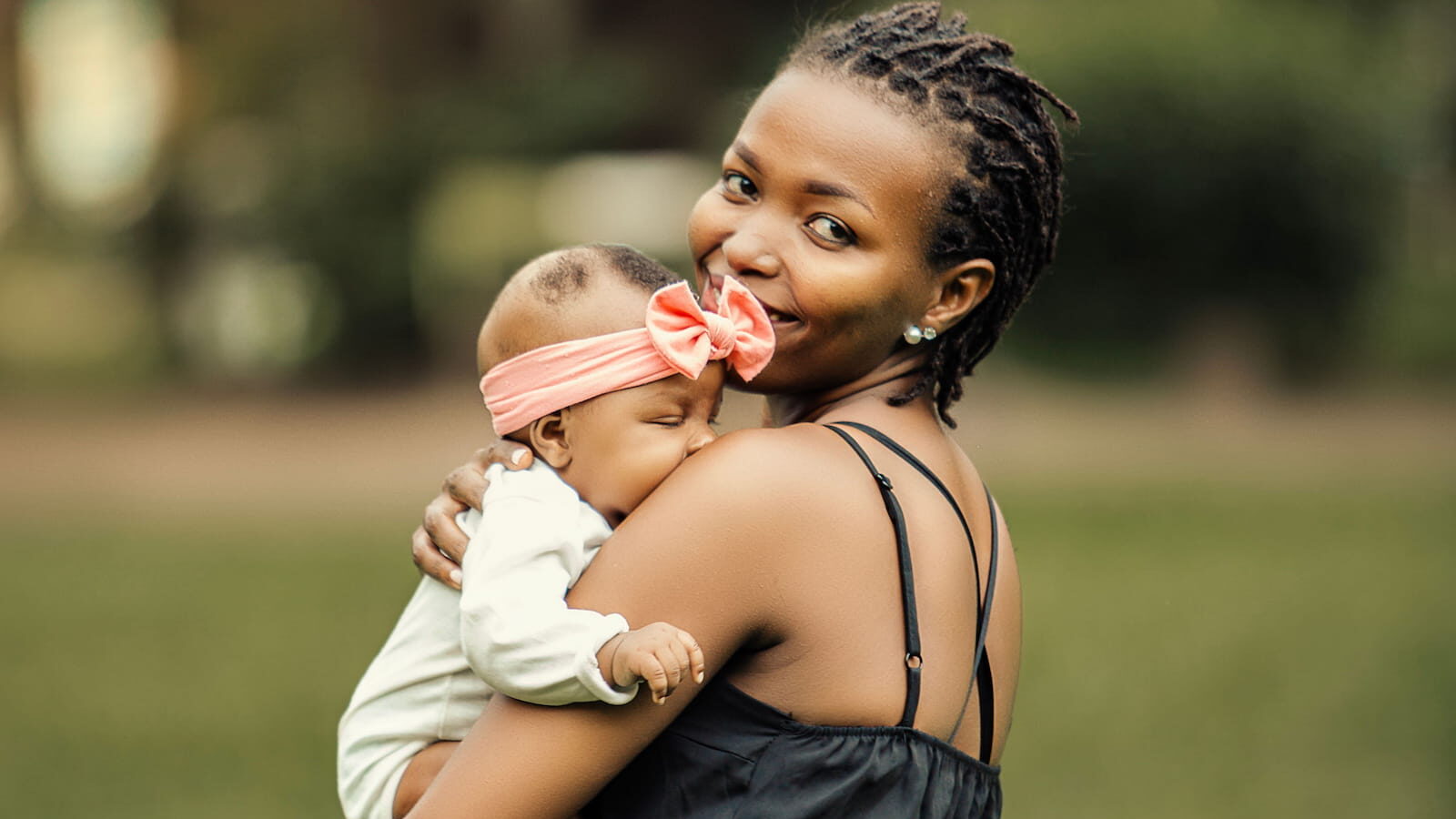
A protective style can make postpartum life easier. Between feeding the baby, trying to sleep, returning to work, and handling everyday responsibilities, you may not want to spend hours styling your hair. Braids, twists, wigs, cornrows, and other styles can reduce daily styling, but “protective” doesn’t automatically mean harmless. If a style hurts, it’s too tight.
The AAD warns that tight braids, cornrows, locs, ponytails, weaves, and extensions can repeatedly pull on the follicles and cause traction alopecia. Women of African descent are particularly affected because these styles are commonly worn and textured hair can be more vulnerable to damage.
Postpartum isn’t the time to put extra tension on hair that’s already shedding. Ask your stylist to keep braids loose, especially around your edges. Consider larger or lighter braids instead of extremely small, heavy ones. Give your hair breaks between styles and avoid extensions that feel heavy. And don’t accept pain as proof that your braids will “last longer.”
The AAD’s guidance for Black hair is simple: if braids, cornrows, or a weave hurt while they’re being installed, ask your stylist to loosen or redo them.
Your hair doesn’t need an extreme postpartum routine. Keep your scalp clean and your hair moisturized. Use conditioner when you shampoo and be gentle when detangling. For tightly curled or textured hair, the AAD recommends gently combing while the hair is damp and using a wide-tooth comb. Reducing excessive heat, pulling, and tugging can also help prevent additional breakage. Remember that breakage and shedding aren’t exactly the same thing.
With shedding, the entire strand releases from the follicle. Breakage happens when the strand snaps somewhere along its length. Dryness, excessive heat, chemical treatments, rough detangling, and tight styles can add breakage on top of normal postpartum shedding.
Being gentler with your hair won’t stop hormone-related shedding, but it can help you avoid adding unnecessary damage.
Once postpartum shedding starts, social media will happily sell you a solution: hair-growth oils, gummies, teas, scalp serums, special shampoos, postpartum vitamins, and “secret” herbs. But normal postpartum shedding usually doesn’t need a miracle treatment. Cleveland Clinic explains that postpartum hair loss is temporary and doesn’t require treatment in most cases.
That doesn’t mean you can’t use products that make your hair feel moisturized, manageable, or fuller. Just keep your expectations realistic. An oil may make your hair feel softer or help reduce dryness, but it can’t stop the hormonal hair cycle happening under your scalp. Give your body time.
RELATED: The Truth About Postpartum Hair Loss
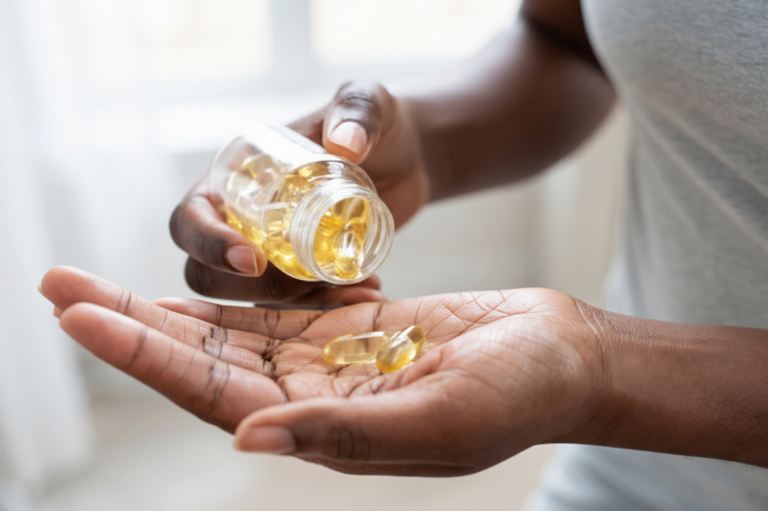
Another common belief is that postpartum shedding automatically means you’re missing nutrients. Nutrition certainly matters for healthy hair, especially during pregnancy and postpartum recovery. But postpartum shedding alone doesn’t prove you have a vitamin deficiency. Don’t take large amounts of supplements just because a product promises faster hair growth. This is especially important if you’re breastfeeding, taking medications, or already using a prenatal or postnatal vitamin. More isn’t always better.
If you’re worried about your diet, extreme fatigue, anemia, thyroid problems, or another nutritional issue, talk with your healthcare provider. They can decide whether you need testing instead of guessing based on your hair.
And be careful with high-dose biotin products marketed for hair growth. The FDA warns that biotin can interfere with certain laboratory tests, potentially leading to incorrect test results. Tell your healthcare provider about any supplements you’re taking.
It’s easy to blame every hair change after childbirth on hormones, but not all hair loss is postpartum shedding. Pay attention to what’s happening. Talk with your healthcare provider or dermatologist if you’re developing clear bald patches, scalp pain, burning, itching, sores, or significant thinning in one particular area. Also get checked if the shedding continues longer than expected or your hair isn’t beginning to recover.
For Black women, thinning that starts around the center or crown of the scalp deserves attention. The AAD explains that central centrifugal cicatricial alopecia, or CCCA, is a type of hair loss most commonly diagnosed in Black women. Early treatment matters because this condition can cause permanent hair loss.
Thinning around the edges may also be related to traction from tight hairstyles rather than postpartum hormones alone. You can even have more than one type of hair loss at the same time. That’s why persistent or unusual hair loss is worth discussing with a dermatologist, rather than assuming you simply need a stronger oil.
Postpartum shedding can feel dramatic, especially when you’re already adjusting to a new baby and changes in your body. But in many cases, your hair isn’t suddenly failing you. During pregnancy, higher estrogen levels allowed you to hold on to more hair than usual. After delivery, those hormone levels dropped, and your hair cycle began catching up. The strands that stayed around longer during pregnancy are now shedding. For textured hair, that shedding may look especially dramatic on wash day because loose strands can remain caught in curls or protective styles until they’re removed.
Keep your routine simple. Be gentle when detangling, keep your hair moisturized, avoid excessive heat, and choose protective styles that don’t pull on your scalp or edges. Be skeptical of expensive products promising to stop normal postpartum shedding overnight. Most importantly, watch your pattern, not just how much hair is in your comb. If you’re seeing bald patches, scalp symptoms, worsening thinning around your edges or crown, or hair that isn’t recovering with time, talk with a dermatologist. Your postpartum hair may need patience more than another product.
Before filling your bathroom cabinet with “growth” treatments, give your hormones—and your hair cycle—a chance to settle.


By subscribing, you consent to receive emails from BlackDoctor.com. You may unsubscribe at any time. Privacy Policy & Terms of Service.