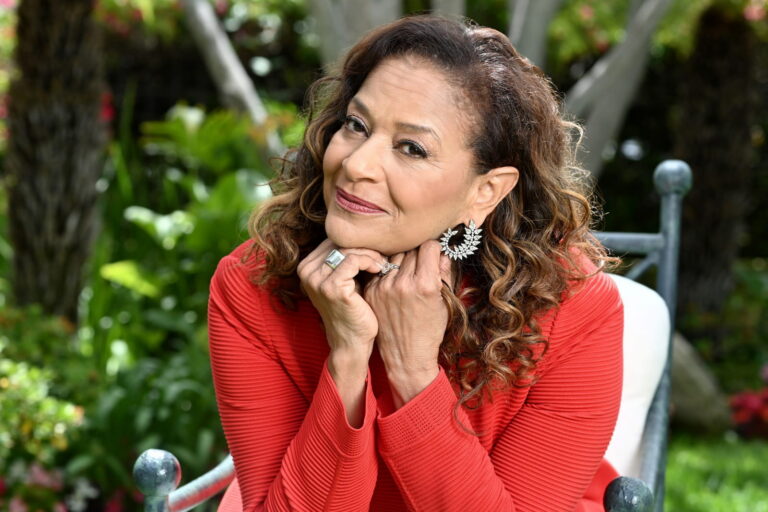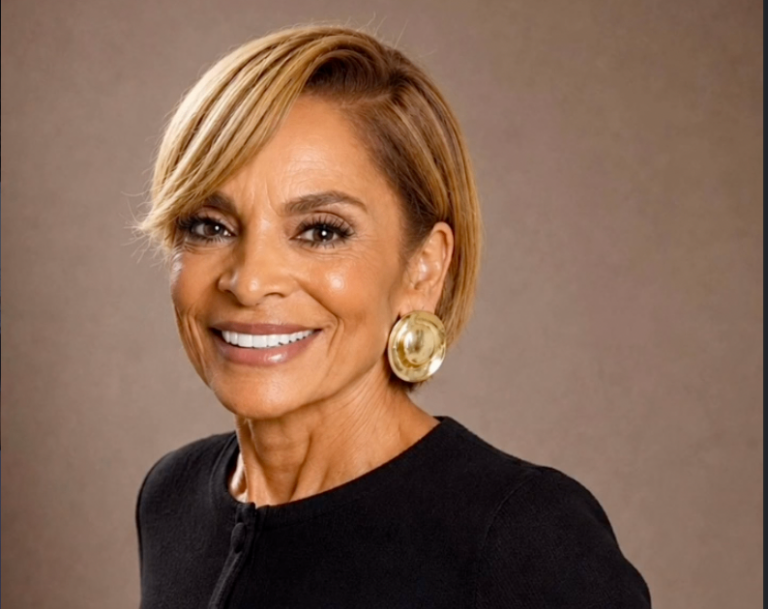
For many of us, Jasmine Guy will always be Whitley Gilbert from A Different World.
She’ll always be walking across the Hillman College campus in a perfectly coordinated outfit, delivering a cutting remark in that unmistakable Southern drawl. That version of Guy has been preserved on our television screens for nearly four decades.
But Jasmine Guy is not frozen in 1987.
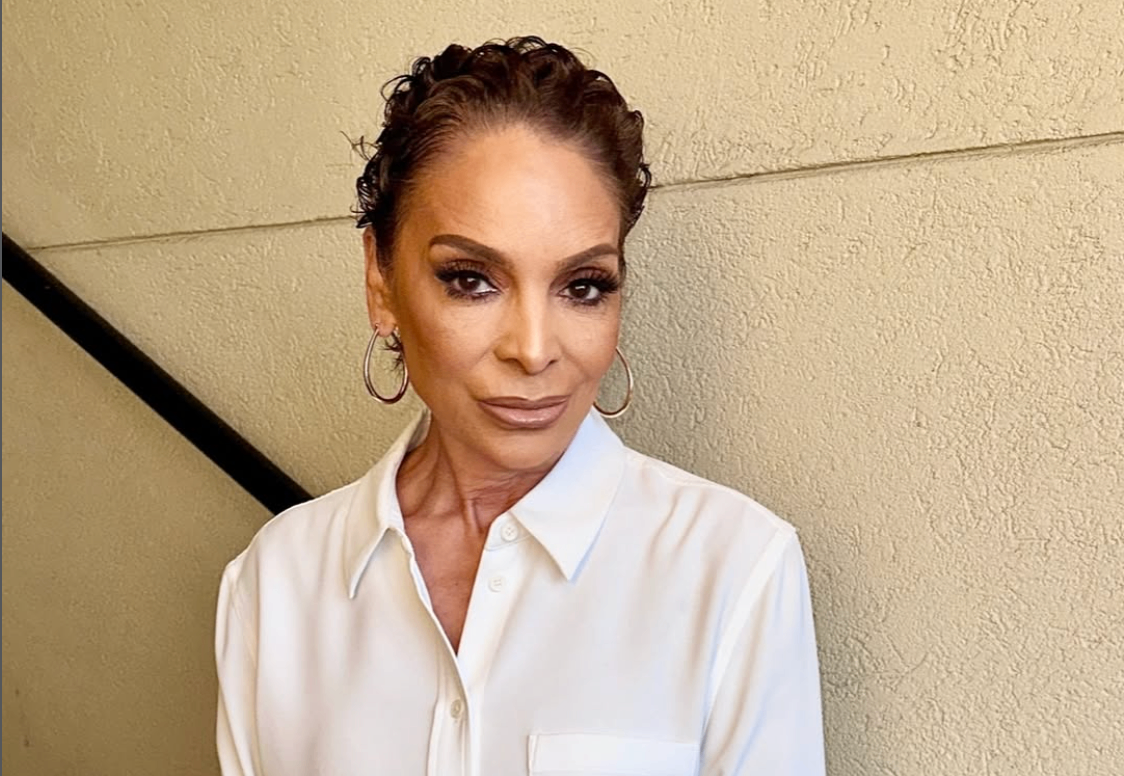
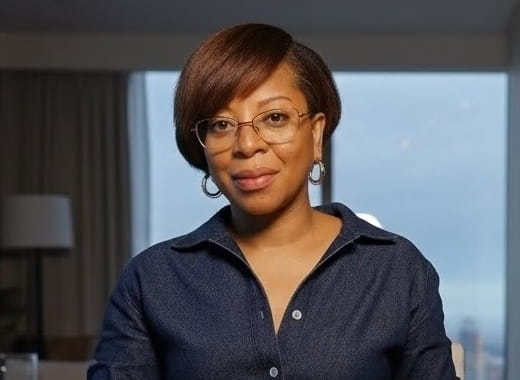
The 64-year-old actress is back as Whitley in Netflix’s new A Different World sequel, which premiered September 24, nearly 39 years to the day after the original series debuted. While plenty of viewers celebrated seeing characters like Whitley, Dwayne Wayne (played by Kadeem Hardison), Freddie (played by Cree Summer), and other familiar faces again, another conversation quickly took off online: Guy’s appearance.
Some social media users criticized how the actress has aged, prompting others to ask why anyone expected a woman in her 60s to look like the 20-something-year-old they remember from television.
Guy swiftly entered the conversation herself.
“The internet can be brutal to women as we grow older,” she wrote on Instagram. “It asks us to celebrate life while criticizing every sign that we’ve lived it.”
Guy acknowledged that growing older brings changes that aren’t always easy, before adding a reminder worth hearing: “beauty, style, and joy don’t have an expiration date.”
Many people were ready to say the same thing.
“She looks the same, she just aged!” one commenter wrote on an Instagram post about the controversy. “She’s 64 for crying out loud. She’s beautiful.”
Another added: “Better hope they live to see 64—it’s a blessing!”
Actress and model Nicole Murphy joined the conversation, writing, “We all are aging no matter what,” and encouraging people to “embrace each other, not put each other down.”
Guy’s response is bigger than a defense of her appearance. It’s also an invitation to rethink what aging well can look and feel like—especially for Black women who have spent years hearing that we’re somehow supposed to escape aging altogether.
We know the phrase. We’ve probably said it.
“Black don’t crack” is usually meant as a compliment, and some biology supports the observation. Melanin provides some natural protection against ultraviolet radiation, and certain visible signs of photoaging can appear later in darker skin. But Black skin still ages.
The problem comes when a compliment becomes an expectation.
Celebrities like Angela Bassett, 68, and Halle Berry, 60, are routinely celebrated for looking younger than their ages. But looking exceptionally youthful isn’t the only way to age beautifully—or healthfully.
Black women get wrinkles. Our skin loses firmness. Our hair changes. Our bodies change.
None of that means we did aging wrong.
RELATED: Black Can Crack: 5 Ways We Prematurely Age Our Skin
Aging is biological, not a beauty failure.
As we get older, skin becomes thinner and drier, collagen declines, and the face can lose firmness. For women, menopause can accelerate some of those changes.
According to the American Academy of Dermatology, women’s skin loses about 30 percent of its collagen during the first five years of menopause. After that, collagen loss continues at about two percent each year for the next 20 years.
Those changes can contribute to sagging, wrinkles, and other visible differences in the face and skin.
Good skin care still matters. Sunscreen helps protect against UV damage. Moisturizer can help with dryness. A dermatologist can help address your concerns.
But taking care of your skin and trying to prevent yourself from looking older are not the same thing.
Our appearance isn’t the only thing that can shift as we get older.
Aging can change our bodies, energy, hair, relationships, careers, and the roles we play in our families. Menopause can add another layer of physical and emotional adjustment.
Confidence during this stage doesn’t have to come from convincing yourself that nothing has changed.
It can come from recognizing that things have changed—and deciding those changes don’t diminish your value.
That might mean changing how you dress because your old clothes no longer feel like you. It might mean finally embracing your gray hair—or deciding you’re absolutely not ready to stop coloring it. It could mean strength training to protect your muscles and bones, talking to your doctor about menopause symptoms, prioritizing sleep, or simply becoming more selective about where your time goes.
The goal isn’t to recreate the woman you were at 30, but to take care of the woman you are now.
RELATED: Is NAD+ the Fountain of Youth? 5 Reasons to Give It a Try
Social media can make “aging well” feel harder than it should.
We consume faces through filters, retouching, cosmetic procedures, and carefully selected images so routinely that an ordinary aging face can begin to look unusual.
It isn’t.
There is nothing wrong with Botox, fillers, cosmetic procedures, expensive serums, or wanting to look your best. There’s also nothing wrong with wrinkles, gray hair, or deciding you have better things to do with your money.
“Aging well” can mean:
And yes, looking in the mirror and making peace with a face that tells the truth about how long you’ve been here.
RELATED: Fall Skin-Care Tips For Radiant Melanin-Rich Skin
As the criticism of Guy spread, something else happened: people started celebrating her.
On Threads, one widely shared appreciation post called Guy an “actress, dancer, singer, director” and “cultural icon.”
“Jasmine has given us decades of talent, beauty, style, and Black cultural excellence,” the poster wrote. “Today, I’m simply giving this woman her flowers.”
Maybe that’s the better conversation to have about a woman at 64—not whether she has managed to look untouched by time, but what she has done with all those years.
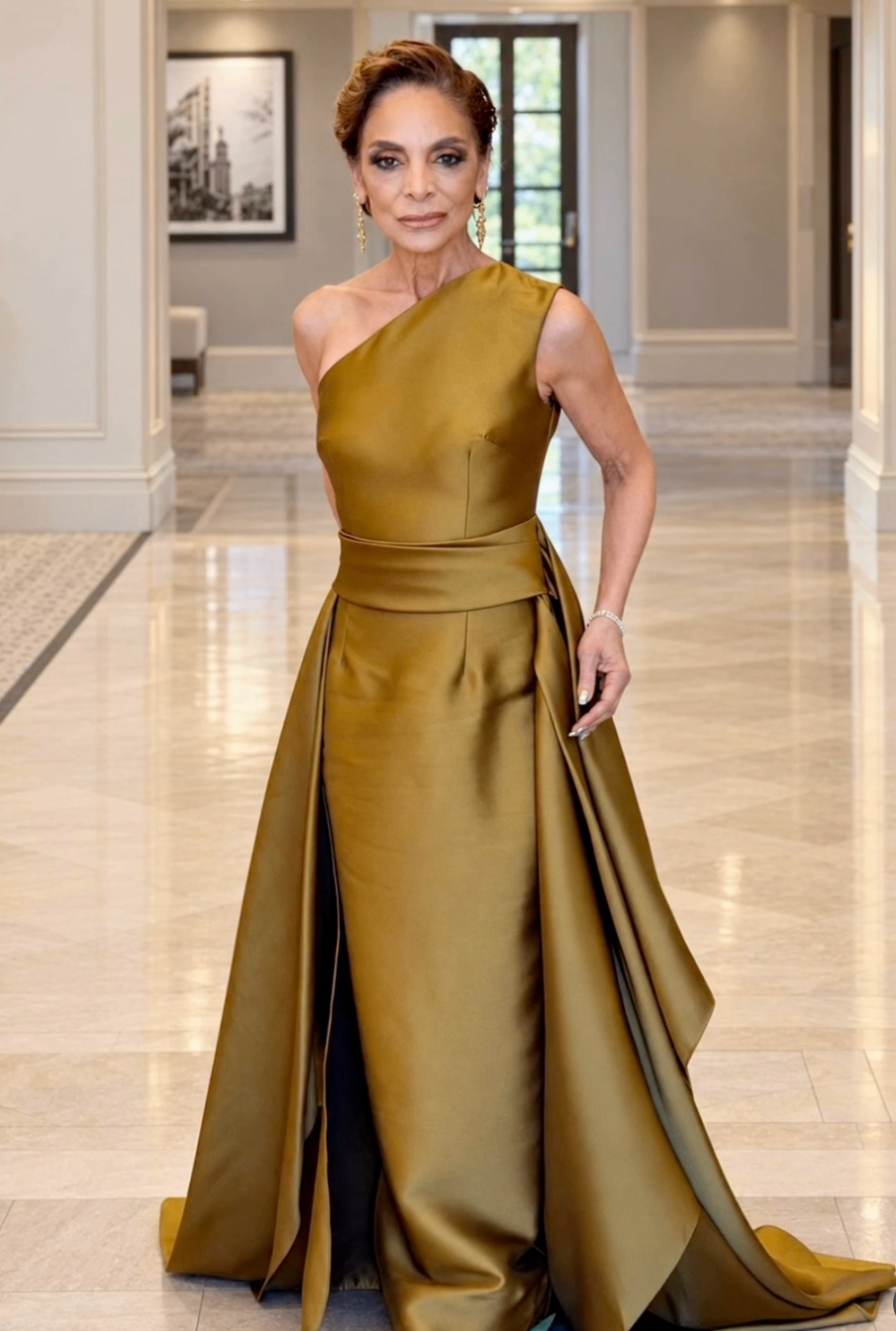
Jasmine Guy has done plenty.
She has continued acting, directing and performing since A Different World. She won her first Emmy in 2023 and has appeared in projects including Harlem, The Vampire Diaries, and Grey’s Anatomy. Now she’s returned to the character that helped define an era of Black television and is watching a new generation discover Hillman. In 2027, she’s releasing a memoir, co-authored with her daughter, Imani Guy Duckette, called “A Different Girl.”
In a recent interview about returning to A Different World, Guy spoke about how meaningful it has been to experience that appreciation while she and her castmates are still here to receive it.
Maybe that’s aging well, too.
Because we don’t owe anyone the preservation of the person we were at 25.
Jasmine Guy didn’t simply get older during the nearly 40 years since we first met Whitley Gilbert. She lived them.
And there’s something beautiful about getting to see the woman she became.


By subscribing, you consent to receive emails from BlackDoctor.com. You may unsubscribe at any time. Privacy Policy & Terms of Service.