If you haven’t heard of Peyronie’s disease (PD), you’re not alone.
Unfortunately, for many folks – of all races – silence is typical. Like many men’s health conditions, PD has been understudied in Black populations, which means awareness in the community is even more critical.
Stemming from fibrous scar tissue that forms inside the penis, PD often causes painful erections, significant curvature, shortening, and in many cases, difficulties with intimacy.
And, while it can occur at any age, PD is typically most prevalent in men who are over 70 years old. Nonetheless, despite this, there are various reasons it doesn’t get the attention it deserves. Cultural expectations of strength and masculinity are two of the main ones, preventing many Black men from ever seeking help or even discussing the issue in the first place.
So let’s discuss what can be done. Support and resources are available when you need them most…
It often starts with a private moment.
For countless men, the first sign comes with that certain somebody — a sudden bend in the erection, a lump that wasn’t there before, a sharp pain – all issues that can strike at the worst possible time.
What begins as confusion quickly turns into worry.
“Will this get worse?”
“What’s wrong with me?”
“Can I still satisfy my partner?”
It’s completely normal to have these questions. For one, these thoughts can trigger intense anxiety and performance pressure. Which is why research typically confirms that men with Peyronie’s disease experience significant psychological distress.
The fear of embarrassment or seeming “less of a man” is understandable. But it doesn’t have to end there. While the emotional weight is heavy and very real, addressing it is possible with the right support.
Of course, first, every man needs to be honest. Not just with others he knows and loves, but first and foremost, with himself. After all, for months or years, Peyronie’s disease can slowly chip away at a man’s confidence. If you find yourself avoiding intimacy, making excuses, or pulling away emotionally, you’re far from the only one.
Is your emotional detachment leaving your partner feeling rejected or confused? Does your significant other not understand what’s happening? Are you dealing with tension, misunderstandings, and even resentment?
Studies show that nearly half of men diagnosed with Peyronie’s experience clinically significant depression, with many reporting direct negative effects on their relationships.
It goes beyond physical performance. If PD is impacting your identity, self-worth, and emotional connection, consider reaching out for support and professional guidance…
RELATED: Peyronie’s Disease: How to Start the Conversation with Your Doctor
Here’s the good news.
Effective, non-surgical treatments are now available. One of the most studied options is called RestoreX penile traction therapy. It’s a medical device that gently stretches the penis in a targeted way. Studies have shown positive outcomes for many PD patients. In some cases, it may help reduce curvature and restore some lost length.
Clinical trials are encouraging, with some men reporting significant improvements in curvature and penile length when the device is used consistently for several months.
Because it’s done privately at home, RestoreX also offers men a discreet and empowering way to take back control. This is key for many men who don’t want to jump into surgery or openly discuss the condition more than they need to.
Another option for men to consider is Xiaflex (collagenase clostridium histolyticum, CCH). Although this is not truly noninvasive – requiring direct enzyme injections – it is the only FDA-approved drug for the condition.
Overall, CCH works by breaking down excess collagen buildup, which is a primary cause of PD. Typically, treatment occurs in cycles, usually two injections spaced one to three days apart. After the injections, a trained healthcare professional will perform a modeling procedure to straighten the curvature as much as possible.
It should be noted that CCH may not be indicated for all men, depending on the severity and symptomatology of their PD. For patients who undergo CCH, a period of sexual abstinence is mandatory, and other critical clinical guidelines must be followed as well.
And thankfully, there are other ways to help address the condition as well.
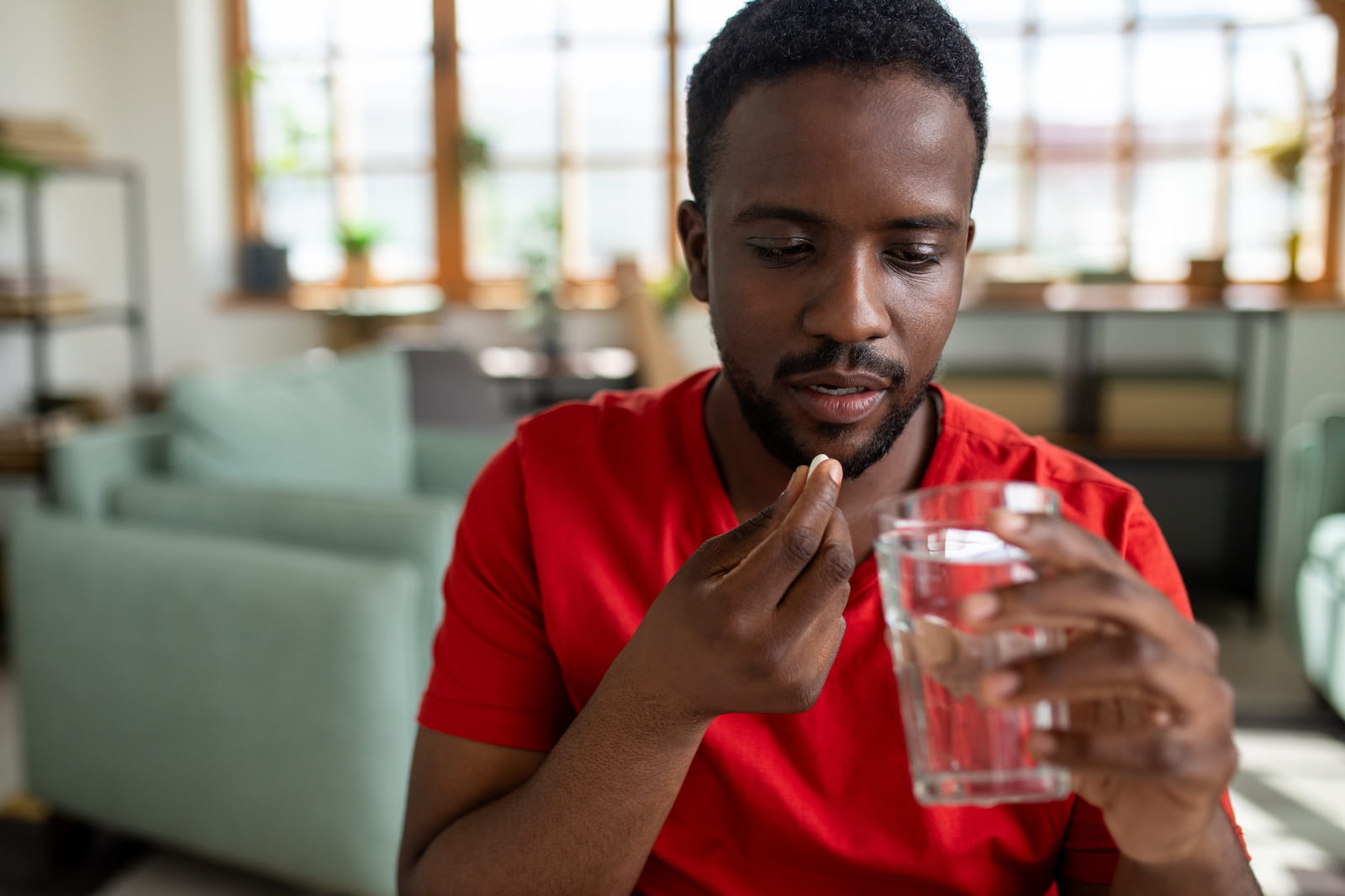
Here are two main supplements that have shown some promise in scientific research.
For starters, consider CoQ10 (Coenzyme Q10).
At doses of around 300 mg daily for 24 weeks, one randomized controlled trial showed statistically significant improvements in some men with PD. However, it should be noted that CoQ10 is not considered a first-line therapy for PD.
Although CoQ10 has been associated with reduced plaque size, decreased curvature, and slower disease progression, in some studies, particularly if taken early on in PD, the American Urological Association (AUA) still classifies it, and supplement-based treatments overall, as ‘investigational.’
While not a standard or definitive treatment for Peyronie’s, CoQ10 may be considered a potential adjunctive option in some men with PD. As always, explore options with your healthcare team.
Then there is Pentoxifylline, an oral medication that may improve blood flow and provide anti-inflammatory benefits. Studies even suggest that the drug can help reduce plaque formation and penile curvature when used as part of a broader treatment plan.
The main issues, here, however, are the contraindications and well-documented side effects of Pentoxifylline use. The primary contraindications to consider are a recent history of cerebral and/or retinal hemorrhages, as well as hypersensitivities to pentoxifylline or other methylxanthines, including caffeine.
Individuals with a history of peptic ulcers, at risk of increased bleeding, or diagnosed with cardiac conditions should also exercise extreme caution.
For some people, side effects can range from nausea and vomiting to dizziness, headaches, and even cardiovascular issues such as hypotension and arrhythmia.
As always, speak in depth with your doctor about the potential use of Pentoxifylline, and monitor your body closely. It’s not for everyone, but in some cases it may be useful as a single medication within a broader treatment approach.
RELATED: Can You Still Have a Healthy Sex Life With Peyronie’s Disease?
Medication, treatments, and supplements are good, but what about simple movements and targeted exercises that can help?
Gentle pelvic floor exercises (Kegels), regular brisk walking, cycling, and light resistance training can all help improve overall circulation. These activities may also support reduced inflammation throughout the body, which can be beneficial for PD and overall health.
And then we have stress-reduction practices, whether it’s deep breathing, meditation, or prayer, all of which may help address the psychological consequences of PD. Given that stress over PD is linked to depression, anxiety, lower self-esteem, and impaired relationships, improving mental health is an important aspect of an overall treatment protocol.
But remember, every case is different. For this reason, you should always strive to personalize your treatment plan with your doctor. Some medicines work better, some exercises work worse, some supplements make a big difference or little at all – everyone is different.
Have a sit-down with your urologist, go over your options, and take a bit of initiative when at home. Like with many chronic conditions, one of the best things you can do is track your symptoms and progression. Whether you notice improvement, no improvement, worse outcomes, or just various side effects, it’s vital that you document them.
This will prepare you for your doctor visit and help you make informed decisions about your care.
When it’s all said and done, managing Peyronie’s is about managing not just the physical, but the psychological as well. As difficult as it can be to talk about this condition, the real strength is in facing it head-on and addressing it early.
Again, the biggest obstacle for many Black men isn’t the condition itself — it’s the stigma and silence around men’s sexual health. Seeking help is not a weakness. Many modern treatments may help reduce pain, improve curvature, support confidence, and strengthen relationships.
Ready to schedule that first appointment? Getting ready to research options together with your partner? Considering certain medications, treatments, or supplements? You deserve to feel confident, strong, and connected.
The conversation starts today—taking that first step can make a difference.


By subscribing, you consent to receive emails from BlackDoctor.com. You may unsubscribe at any time. Privacy Policy & Terms of Service.