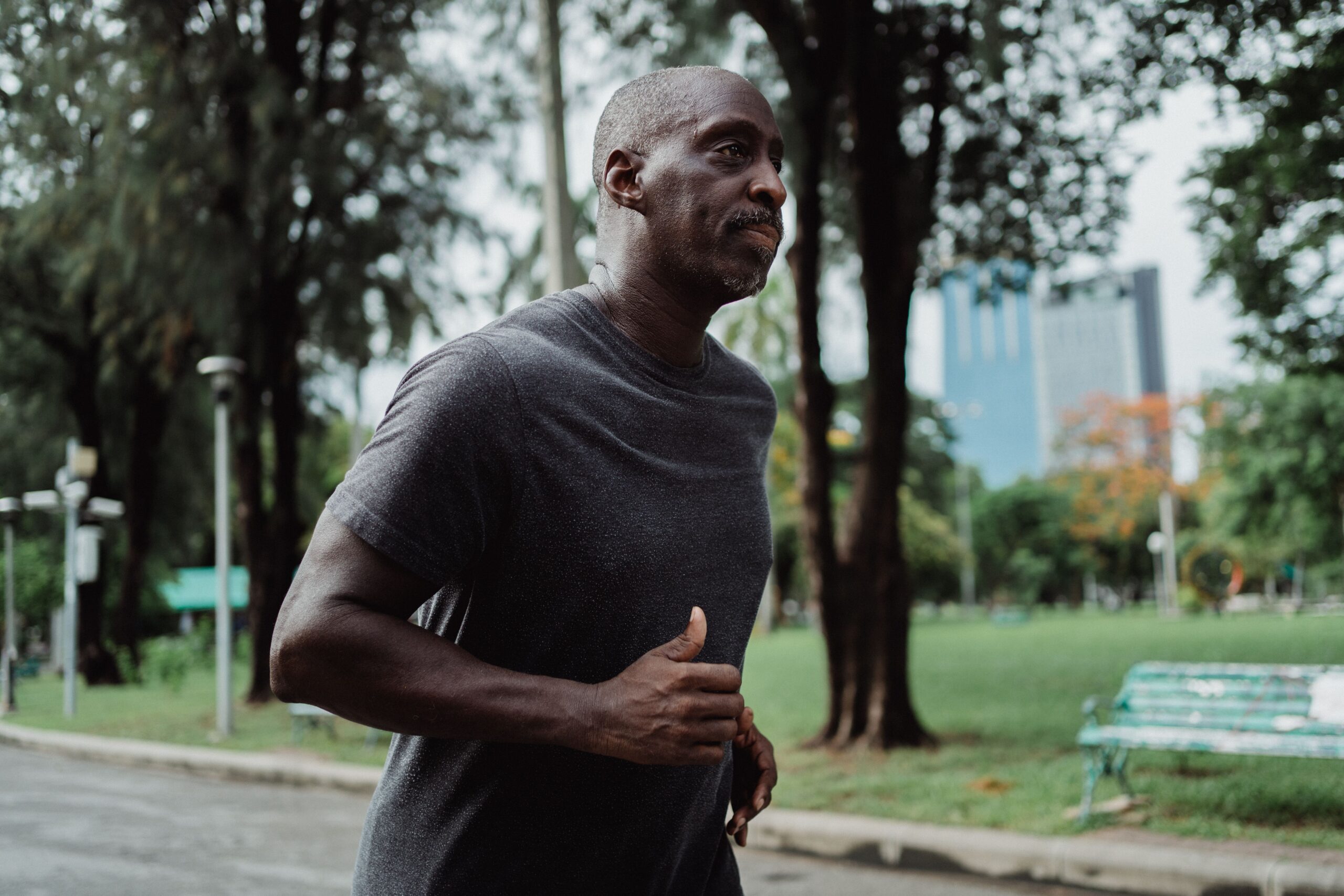
According to the American Heart Association (AHA), heart disease continues to be the leading cause of death in the U.S. There is, however, some good news in the latest statistics. The number of people who die from cardiovascular episodes is declining. That means more people have the potential to lead healthy lives after having a heart attack. This outcome is especially likely if your post-recovery lifestyle includes exercise and a healthy diet. As you may expect, though, there’s a big difference between being physically active and running a 5K. However, if you consult your doctor and follow a plan, doing a 5K isn’t off the table.
The rate of recovery after a heart attack isn’t set in stone. It can take anywhere from two weeks to three months, depending on different factors, such as the severity of your heart attack, your overall health, how quickly you received treatment, and the type of treatment you were given. As an example, someone who underwent open-heart surgery would be expected to have a longer recovery time than someone who had a non-surgical treatment like percutaneous coronary intervention (PCI). When you get treatment quickly for a heart attack, it also limits the amount of damage to your heart muscle.
With this in mind, your road to recovery begins with a frank discussion with your doctor about your health. They’ll be able to tell you where to start in regaining your strength. Typically, the emphasis will be on getting you to the point where you can manage the day-to-day tasks of taking care of yourself. Your doctor may also recommend cardiac rehabilitation.
In cardiac rehabilitation, you’ll join a medically supervised program that helps you to recover from a heart attack while reducing your likelihood of having another. The aim is to improve your quality of life while reducing your dependence on medication for your symptoms. While you’ll likely receive a personalized routine, cardiac rehabilitation usually includes physical exercise, counseling, and guidance for adopting a heart-healthy lifestyle.
Where physical activity is concerned, doctors are typically guided by your current health and how active you were before having a heart attack. Those who exercised regularly before a cardiac event may or may not find it easier to return to their normal level of activity. If you weren’t as active, you may need to start more slowly and work your way up to more strenuous tasks.
RELATED: 10 Things You Can Do To Prevent That Second Heart Attack
It’s essential to keep communication open with your doctor when you’re recovering from a heart attack. Even if you feel up to increasing the pace of your exercise, your doctor will guide you on how to proceed. Getting ready every day and taking short walks around your home are good places to start. While you may need to limit how often you use the stairs at first, your doctor may allow you to increase your use as your recovery progresses.
Once you’re comfortable with everyday activities, you can ask your doctor about exercising. Although the recommendations may vary, some typical exercises to start with include gardening, tai chi, yoga, pilates, swimming, and light walking. The key is to take things slowly so you don’t overwork yourself. When it comes to your heart, it’s better to be slow and consistent.
When you’re being active, don’t forget to keep hydrated and plan breaks into your routine. Rest is essential to giving your body time to recover from physical activity. You can also gauge your body’s response during these rest periods to see if you need to talk to your doctor. Additionally, you should take certain precautions during extreme temperatures. If it’s hot, stick to exercising in the mornings or evenings. For cold weather, consider exercising indoors. If you decide to be outside, protect your nose and mouth. It’s also best to ask your doctor about the best temperatures for you to work out.

It’s a good idea to tell your doctor about your goal to participate in a 5K. Knowing this may influence the kinds of exercise they allow you to do. They may also have recommendations for trainers or rehabilitation programs that offer a stricter schedule, so you’ll be aware of your progress.
However, training for a 5K after a heart attack can be a slow process, so you have to be patient. It calls for increased endurance and strength that you need to train well for. While someone who hasn’t had a heart attack may be able to push themselves past a certain point, you’ll likely be advised to pull back. That’s why it’s essential to keep communicating with your doctor.
As you’re training for a 5K, having a plan will help. This plan should take your current health into account while giving you attainable goals. As an example, typical training plans include how long to warm up before running, how long to run in each session, and how long the cooldown should last. It may ask you to run for a minute, then walk for the same amount of time. Then you’d repeat the pattern until you’ve completed the given training period. Over time, the run times usually get longer.
Of course, you need to be open to resting and starting over. The road to running a 5K isn’t always linear, so don’t be discouraged if you don’t move as quickly as expected. The idea is to accomplish your goal in the healthiest way possible.
RELATED: You Survived a Heart Attack. Here’s How Cardiac Rehab Can Help
Although exercising can be a helpful part of recovering from a heart attack, you need to know how to pace yourself properly. Doing too much or pushing your limits can put pressure on your heart. A few of the signs that you need to take a break include persistent chest pain, dizziness or lightheadedness, an irregular heartbeat, shortness of breath, and nausea.
In addition to noting an irregular heartbeat, it can be helpful to spot if your pulse is too high. To do this, you must know your resting pulse rate as well as the safe pulse rate for the exercise you’re doing. If you check your pulse during the activity and it’s higher than what’s safe, then it’s a sure sign that you need to slow down. Ideally, your pulse rate should return to normal within 10 minutes of resting. If it doesn’t, talk to your doctor.
Taking your pulse rate is simple. You should place the index and third fingers of your opposite hand on the wrist below the base of your thumb. Use them to locate your pulse and count the number of beats per minute. These numbers may also be useful when discussing your symptoms with your doctor. For most adults, a typical resting heart rate falls between 60 and 100 beats per minute. However, it’s best to ask your doctor what a good number is for you.
If your doctor has prescribed nitroglycerin pills for you, then you should take them while you rest. You should also tell your doctor about your symptoms–especially if they don’t go away once you’ve rested. When discussing the symptoms, it’s important to let them know which activities you were doing, where, and what time of day. Additionally, you should let your doctor know if you’re having trouble doing exercises that used to be easy for you.
Some symptoms indicate you need emergency care. If you have pain, pressure, tightness, or heaviness in your chest, arm, neck, or jaw, you should head to the emergency room. This is especially true if the pain is accompanied by shortness of breath, gas pains or indigestion, numbness in your arms, unexplained sweatiness, loss of color, and lightheadedness.
A heart attack can be a life-changing event. Fortunately, more people can move forward thanks to advances in treatment. If you’ve had a heart attack and would love to be in a 5K or more, then you should talk to your doctor first. They’ll tell you what kind of activity you’re ready for and how to spot when it’s time to take a break.


By subscribing, you consent to receive emails from BlackDoctor.com. You may unsubscribe at any time. Privacy Policy & Terms of Service.