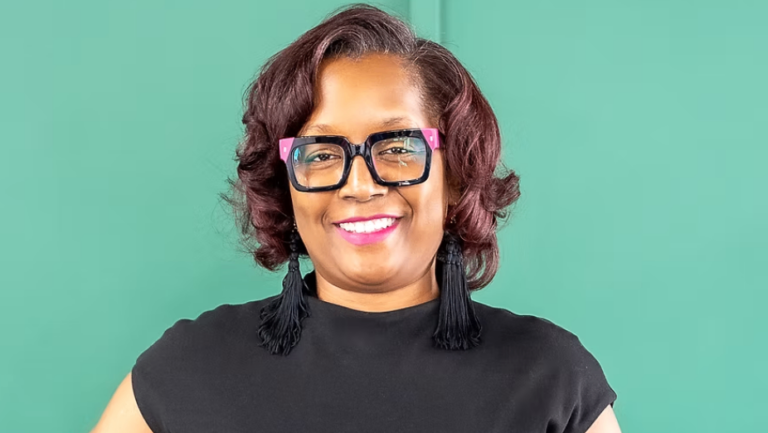
For years, Grammy Award-winning singer-songwriter Chrisette Michele has been known for her soulful voice, introspective lyrics, and candid conversations about mental health. Now, she’s sharing another deeply personal part of her journey: being diagnosed with autism as an adult.
Her revelation has sparked important conversations about how autism often goes undiagnosed in adults—especially women and Black adults, who have historically been overlooked or misdiagnosed. For many people, Michele’s story is a reminder that autism doesn’t always look the way we’ve been taught to expect.
In her 3-part video on YouTube, Michelle described what was happening in her life that led her to be diagnosed. She stated she was more than just tired, more than exhausted, and clumsy. She also stated that the music that she had grown to love with her band sounded like “it was hitting her in the back of her head.” After repeated times of feeling overwhelmed and knowing that wasn’t the right response, she knew she had to do something.
Rather than changing who she is, Michele says receiving a diagnosis helped explain experiences she’d had throughout her life and gave her a better understanding of herself.
Autism spectrum disorder (ASD) is a neurodevelopmental condition that affects how a person communicates, processes information, interacts socially, and experiences the world around them. While many people are diagnosed in childhood, an increasing number of adults are discovering they are autistic later in life.
There are several reasons why:
For many adults, finally receiving a diagnosis can bring relief instead of fear. It often helps explain lifelong challenges that previously seemed confusing or were mistaken for anxiety, depression, ADHD, or personality traits.
Autism itself doesn’t change depending on age, but the way it appears often does.
Children with autism may show signs such as:
Because these behaviors often become noticeable early in life, many children are diagnosed before age five.
Adults often display autism differently because they’ve spent years adapting to social expectations.
Common signs include:
Many adults also become experts at masking their autistic traits, making diagnosis much more difficult.
Research has shown that Black children are frequently diagnosed with autism later than white children, even when symptoms appear at the same age. Those delays can continue into adulthood, especially for women.
Cultural expectations, limited access to specialists, healthcare disparities, and misconceptions about autism all contribute to underdiagnosis.
Many Black adults who eventually receive an autism diagnosis report spending years being told they were simply:
Stories like Chrisette Michele’s may encourage others to seek answers they never realized were available.
Everyone experiences some of these behaviors occasionally. However, if they’ve been present throughout your life and interfere with work, relationships, or daily living, it’s worth speaking with a healthcare professional.
Consider scheduling an evaluation if you:
A primary care physician can refer you to a psychologist, psychiatrist, or neuropsychologist who specializes in adult autism assessments.
There is no blood test or brain scan for autism.
Instead, specialists evaluate:
An evaluation may also screen for conditions that commonly occur alongside autism, including anxiety, ADHD, depression, obsessive-compulsive disorder (OCD), and learning differences.
For many adults, receiving an autism diagnosis isn’t about receiving a label—it’s about gaining clarity.
A diagnosis can help people:
Many adults describe the experience as finally having an explanation for feelings they’ve carried since childhood.
Chrisette Michele’s openness adds to a growing movement of adults sharing their autism diagnoses and helping challenge outdated stereotypes. Autism isn’t always recognized in childhood, and many people spend decades wondering why everyday experiences feel more difficult than they seem for others.
Michelle isn’t the only one. Recently, singer SZA opened up about how she was “finally” diagnosed with autism after she knew for years that “something was off.” She said that as a relief that she now knows what it is in order to deal with it, function better, and live an incredible life.
If you’ve always felt different, struggled with sensory overload, found social situations unusually exhausting, or relied on routines to navigate daily life, it may be worth discussing those experiences with a healthcare professional. An evaluation won’t change who you are—but, as many adults discover, it can help explain who you’ve always been.


By subscribing, you consent to receive emails from BlackDoctor.com. You may unsubscribe at any time. Privacy Policy & Terms of Service.