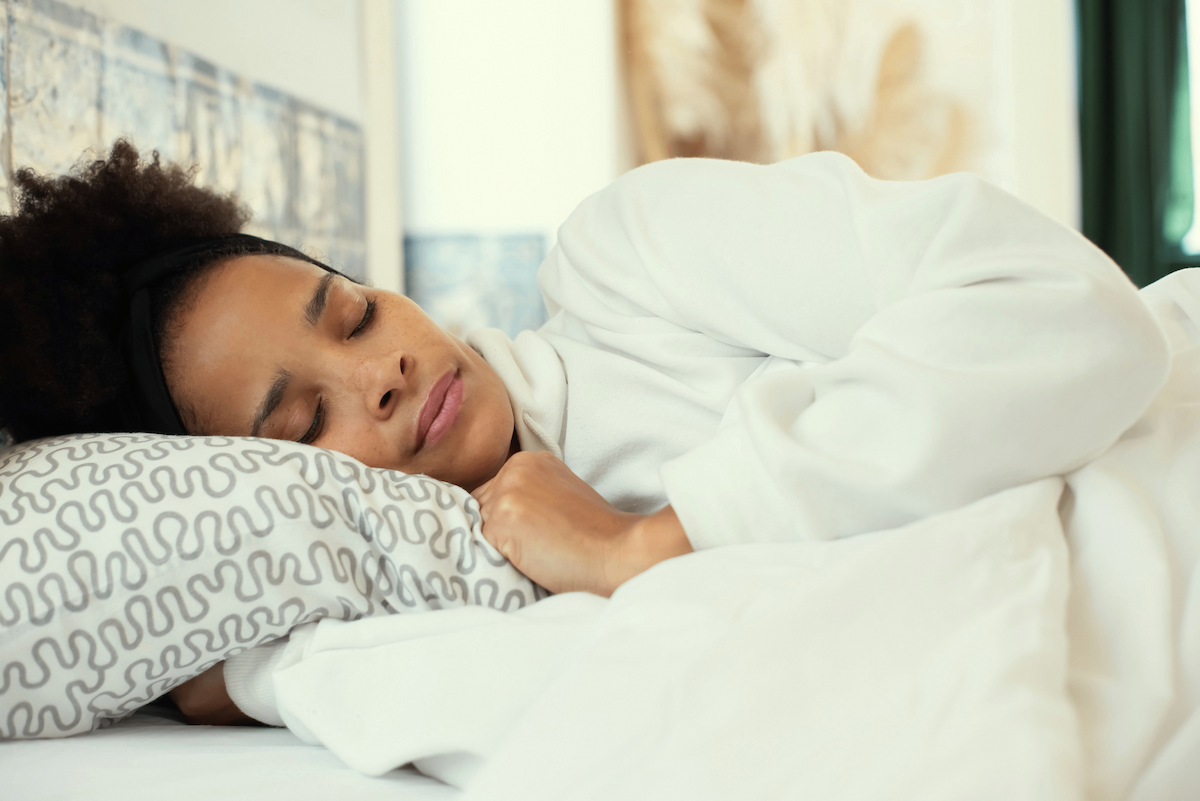
Sleep apnea is a common condition that causes breathing to repeatedly stop and start during the night. Left untreated, it can lead to excessive daytime fatigue and increase the risk of serious health problems, including high blood pressure, heart disease, and stroke. Black Americans experience higher rates and greater severity of obstructive sleep apnea (OSA) than white individuals, yet the condition remains significantly underdiagnosed.
A new study shows that women with sleep apnea tend to suffer from it more than men, even though they wake in the night about as often. These findings underscore the need for women — particularly Black Women — to seek treatment for sleep apnea to prevent further complications.
Women reported much higher levels of headache, nightmares, and needing to go to the bathroom at night due to their sleep apnea, researchers will report at the upcoming annual meeting of the American Academy of Sleep Medicine and the Sleep Research Society.
They also had worse scores for sleep disturbance, daytime impairment, anxiety, anger, fatigue, depression, and brain function, researchers found.
“Across a broad range of atypical symptoms, women uniformly report a greater symptom burden,” said lead investigator Stuti Vaidya, a sleep medicine researcher at the University of Pittsburgh.
“Our results suggest that current algorithms used by clinicians to diagnose and treat patients with obstructive sleep apnea continue to focus on classical symptoms and do not consider the broader range of symptoms women may experience,” she said in a news release.
For the new study, researchers recruited more than 500 people who were starting CPAP to treat moderate-to-severe sleep apnea. About 2 in 5 were women.
Researchers assessed the patients’ symptoms using questionnaires and observed their sleep.
Results showed that women and men had about the same average number of waking events, about 36 versus 40 per hour.
“Women with moderate-to-severe obstructive sleep apnea initiating CPAP treatment have similar sleep apnea severity and classical symptoms including snoring, nocturnal gasping, and sleepiness,” Vaidya said.
However, women tended to be much more affected by the side effects of sleep apnea, researchers said.
This could mean that women are made miserable by sleep apnea much longer than men before they’re formally diagnosed, Vaidya said.
RELATED: New Trial Suggests a Daily Pill May Help Treat Sleep Apnea Without CPAP
“Our results suggest that women may not be diagnosed and treated for obstructive sleep apnea until they develop classical symptoms of a severity similar to that seen in men, which may contribute to delays in diagnosis,” she explained.
Vaidya is scheduled to present her findings on Monday at the SLEEP meeting in Baltimore.
Findings presented at medical meetings are considered preliminary until published in a peer-reviewed journal.
As previously mentioned, Black adults are disproportionately affected by sleep apnea. The sleep disorder is linked to conditions such as hypertension, stroke, obesity, and type 2 diabetes. Because sleep apnea symptoms in women often look different than the “classic” symptoms seen in men, diagnosis may be delayed.
While the study didn’t specifically examine racial differences, the findings are especially relevant for Black women. Untreated sleep apnea can contribute to cardiovascular problems over time, making early diagnosis especially important for Black women, who already face disproportionately high rates of heart disease and stroke.
Beyond snoring, sleep apnea can cause symptoms such as:
Many women may attribute these symptoms to stress, aging, menopause, or busy schedules rather than a sleep disorder.
The new study found women reported significantly greater symptom burden despite having similar sleep apnea severity as men.
There are several benefits to getting diagnosed and treated for sleep apnea, including:
Treatment options may include lifestyle changes, oral appliances, positive airway pressure (PAP) devices such as CPAP therapy, or, in some cases, surgery. The right approach depends on the severity of symptoms and the underlying cause of the sleep apnea.
RELATED: This Weight Loss Drug Could Also Treat Sleep Apnea
Many women spend years living with symptoms they believe are normal. This latest study suggests that women may experience a heavier burden from sleep apnea than previously recognized. For Black women — who already face higher rates of heart disease, hypertension, and diabetes — recognizing the signs and seeking evaluation could be an important step toward protecting both sleep and long-term health.
More information
The Cleveland Clinic has more on sleep apnea.
SOURCE: American Academy of Sleep Medicine, news release, June 8, 2026


By subscribing, you consent to receive emails from BlackDoctor.com. You may unsubscribe at any time. Privacy Policy & Terms of Service.