
A recent Harvard-led study is fueling a conversation after researchers found that artificial intelligence (AI) outperformed doctors in some emergency room diagnostics. In one experiment, an AI system correctly identified exact or near-exact diagnoses 67 percent of the time, compared to 50 to 55 percent for doctors reviewing the same patient records.
The findings don’t point to doctors becoming obsolete. Instead, they make you wonder how AI can help. The study does raise an important question for Black Americans: Could AI eventually help reduce racial disparities in emergency healthcare?
For decades, Black patients have reported feeling ignored, undertreated, or misdiagnosed in hospitals and emergency rooms. Studies have shown that Black patients are more likely to experience delayed diagnoses, receive less pain medication, and face higher maternal mortality rates than white patients. Implicit bias and structural racism have long shaped outcomes for Black patients.
That is where some experts believe AI could help.
Unlike humans, AI systems do not suffer from the physical and cognitive effects of working long shifts, as doctors and nurses do. On crowded ER visits, AI isn’t rushing through patient conversations or judging patients for what appears to be stereotypical behavior. In theory, a properly trained AI tool could evaluate symptoms, lab results, and medical histories using the same standard for every patient. In emergency medicine, that consistency could matter.
The Harvard study found AI performed especially well in fast-paced triage situations where doctors had limited information and had to make rapid decisions. Emergency triage is often the first and most critical step in determining who receives immediate attention, and AI can improve diagnostic accuracy during those moments.
Research shows that Black patients are historically less likely to receive timely diagnoses for conditions such as heart attacks, strokes, autoimmune disorders, and certain cancers. Black women, in particular, often report having symptoms minimized or dismissed.
An AI assistant that flags dangerous warning signs early could serve as an additional layer of protection when human bias or oversight comes into play.
Some hospitals are already using AI-supported tools to analyze imaging scans, monitor patient deterioration, predict sepsis risk, and assist with documentation. The technology is quietly becoming part of modern medicine. This latest research suggests its role may expand even further.
RELATED: The FDA Is Encouraging AI Data in Clinical Trials
One of the biggest concerns is that AI systems learn from historical medical data and healthcare data that could include inaccurate information rooted in racism. If Black patients have been undertreated, an AI trained on those records could unintentionally repeat the same harmful patterns.
Researchers have already noticed patterns. Some systems underestimated the health needs of Black patients because they used healthcare spending as a measure of illness severity. Since Black patients often have less access to care and therefore generate lower medical costs, the algorithm incorrectly assumed they were healthier.
That means AI can either reduce disparities or deepen them depending on how it is designed.
Experts say diverse medical datasets, ongoing audits, and human oversight are essential. AI should assist clinicians and not replace them or their diagnostic abilities.
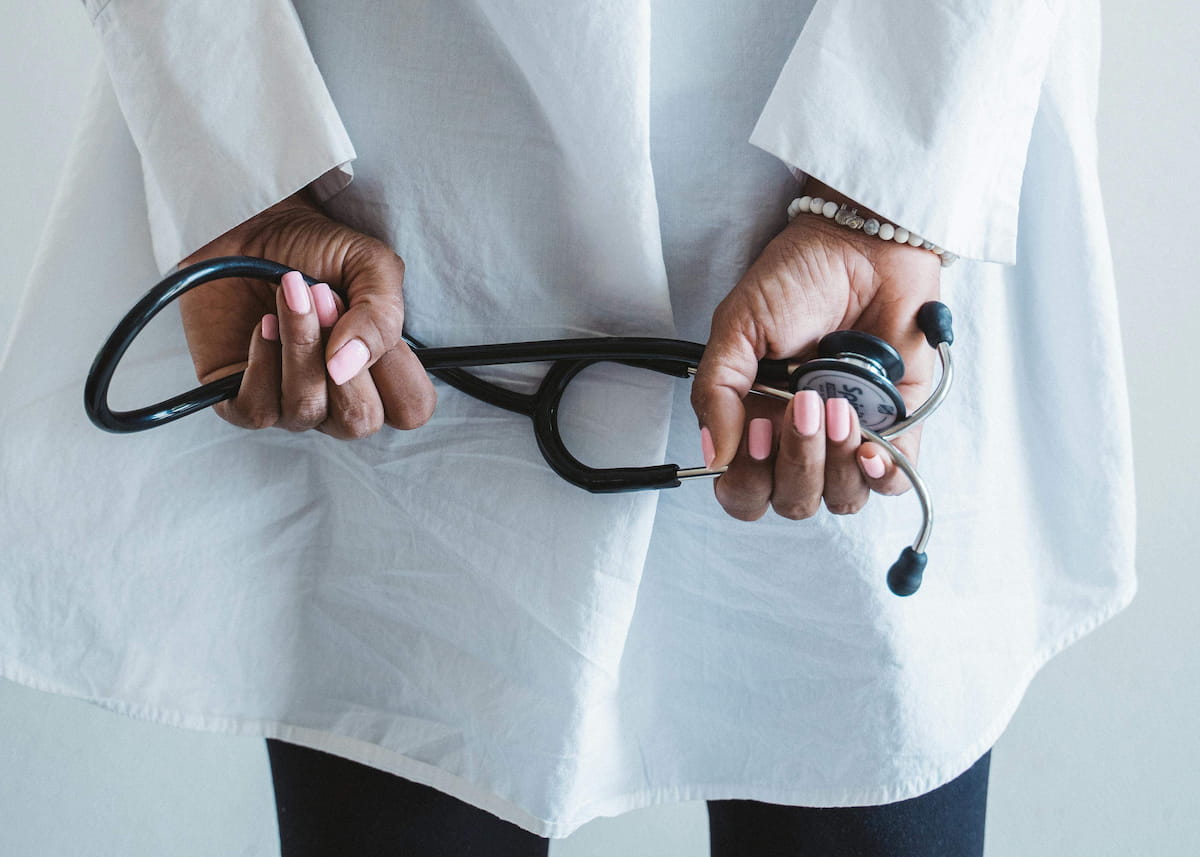
Many Black Americans remain skeptical of the medical system due to a long history of unethical treatment and systemic inequities. Some patients may feel uncomfortable with AI playing a role in healthcare decisions, especially if hospitals are not transparent about how these systems are being used.
At the same time, others may welcome technology that removes some degree of human subjectivity from care.
The reality is likely somewhere in the middle. AI may not eliminate disparities on its own, but it could become a powerful tool in helping physicians catch missed diagnoses, standardize evaluations, and reduce dangerous inconsistencies in emergency care. What matters most is how hospitals choose to implement it.
If healthcare systems prioritize equity, transparency, and accountability, AI could help close some of the healthcare gaps Black patients have faced for generations. But if biased data and unequal access remain unchecked, technology alone will not solve a deeply human problem.
For now, experts say the future of medicine is not AI versus doctors. It is AI working alongside doctors, ideally creating a healthcare system that is more accurate, more responsive, and more equitable for everyone — particularly for patients of color.
RELATED: How AI Can Increase Clinical Participation
AI is not a replacement for doctors, but it could help make emergency care more accurate and consistent. If used responsibly, it may help reduce some of the disparities Black patients face and improve health outcomes for future generations.


By subscribing, you consent to receive emails from BlackDoctor.com. You may unsubscribe at any time. Privacy Policy & Terms of Service.