Rapper Ice Spice recently addressed speculation about her dramatic weight loss, revealing that the real reason was depression—not weight-loss medication or a new diet trend.
The Bronx-born artist had been the subject of online rumors, with some people claiming she used the diabetes drug Ozempic, which has become associated with celebrity weight loss. But when a workout video resurfaced online and critics continued speculating, Ice Spice responded directly, explaining that her weight change was related to her mental health. “Na it was depression. I’m better now tho,” she wrote in reply to a comment questioning her appearance.
Her honest response quickly shifted the conversation. Instead of debating body image or celebrity diet rumors, many fans expressed support and appreciation for her openness about struggling with depression.
Mental health experts note that depression can affect people in different ways. While some individuals may overeat or gain weight, others experience the opposite—loss of appetite and significant weight loss.
Ice Spice’s admission is also a reminder that mental health challenges can affect anyone, regardless of success, fame, or outward appearances.
Depression is a common but serious mental health condition that affects how a person feels, thinks, and handles daily activities. It is more than just feeling sad for a short time—it can persist for weeks, months, or longer if untreated.
People experiencing depression may notice some of the following:
Not everyone experiences depression the same way. Some people may have only a few symptoms, while others experience many.

If you believe you may be struggling with depression, there are several steps that can help:
Opening up to a friend, family member, or mentor can help you feel less alone and provide emotional support.
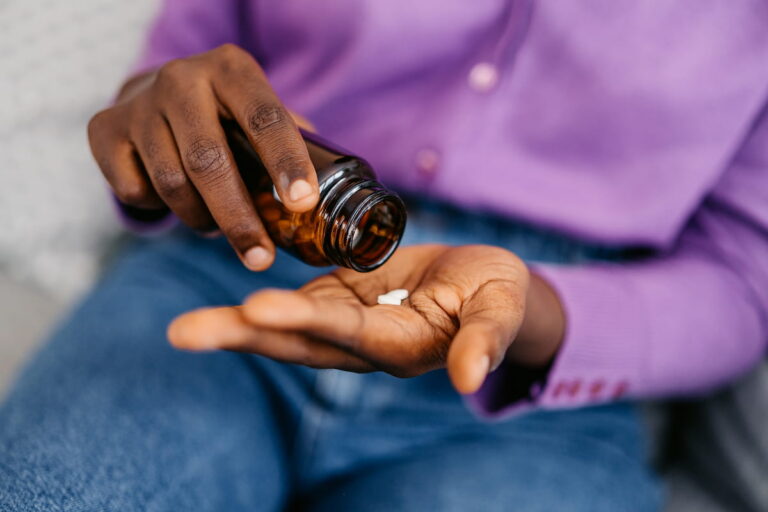
Mental health professionals—such as therapists, psychologists, or psychiatrists—can diagnose depression and recommend treatments like therapy, medication, or both.
Small steps can make a difference, including:
Depression often makes people want to withdraw, but staying connected with supportive people can help improve mood and perspective.
If you are experiencing thoughts of self-harm or suicide, immediate help is available. In the United States, you can call or text 988, the Suicide & Crisis Lifeline, for confidential support.
1. Depression Rates: Black Women vs. Black Men
Research shows that Black women tend to report depression more often than Black men. One large analysis found depression prevalence around 24% among Black women, higher than among Black men.
Some studies also report that Black women may be twice as likely to experience a major depressive episode as Black men.
However, experts caution that depression in Black men may be underreported or underdiagnosed, often because men are less likely to talk about emotional struggles or seek care.
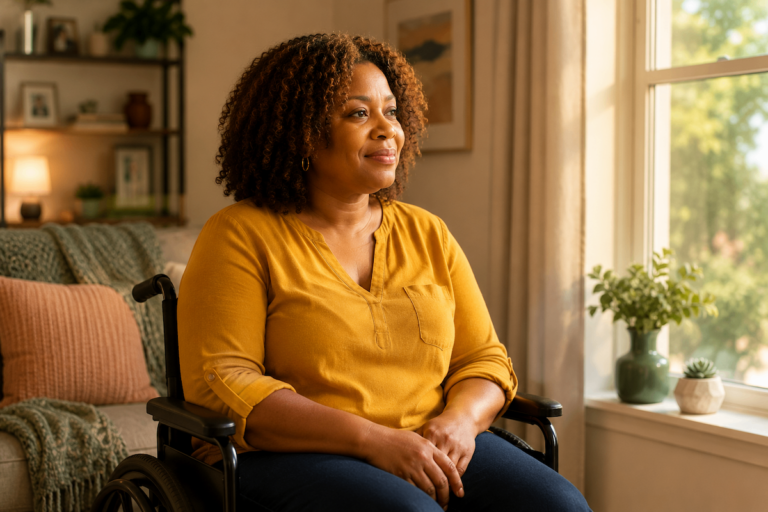
Depression in Black women often appears as:
Researchers often connect this to the “Strong Black Woman” expectation, where women feel pressure to stay resilient and care for others even when they are struggling.
Black women may also face combined stress from racism, sexism, financial strain, and caregiving responsibilities, which increases risk for depression.
Depression in Black men may look different and sometimes goes unnoticed.
Common patterns include:
Black men often experience greater stigma about seeking mental-health care, which can prevent them from getting help.
Because of this, depression in Black men is sometimes misinterpreted as aggression or stress rather than a mental-health condition.
Several broader issues influence depression in Black communities:
Many people are taught to “be strong” or handle problems privately.
Black adults are 36% less likely to receive mental-health treatment compared with the general U.S. population.
Experiences of discrimination, economic pressure, and trauma can increase depression risk.
Some people distrust the healthcare system or feel misunderstood by providers.
Ice Spice’s willingness to talk about depression highlights an important truth: mental health struggles are more common than many people realize. Speaking openly about them can help reduce stigma and encourage others to seek help.
Her message—“I’m better now”—also offers hope. With the right support, treatment, and time, recovery is possible.


By subscribing, you consent to receive emails from BlackDoctor.com. You may unsubscribe at any time. Privacy Policy & Terms of Service.