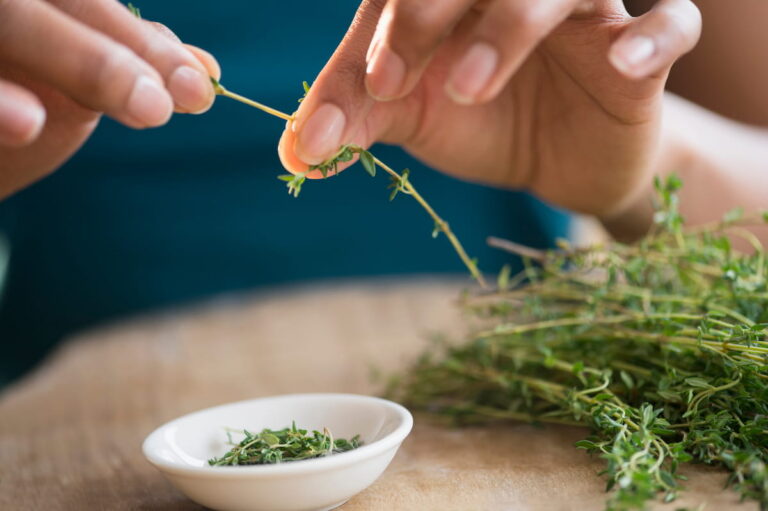
Lemon balm tea is a calming herbal tea made from the leaves of Melissa officinalis. People sip it to reduce stress, improve sleep, soothe digestion, and support overall relaxation, but not every claim online is backed by science.
If lemon balm tea has popped up in your TikTok feed, group chat, or nightly routine, you’re not alone. Fans rave about its ability to help them unwind after a long day, sleep more soundly, and even ease bloating, but it’s important to separate hype from fact.
Lemon balm tea benefits may include:
Reduced stress and mild anxiety
Relief from bloating and digestive discomfort
Gentle support for focus and mental clarity
Still, lemon balm tea isn’t a miracle cure, and it’s not right for everyone.
Here’s what you actually need to know before making it part of your daily routine.
RELATED: Top 10 Benefits of Lemon Water
Lemon balm tea is made from the leaves of Melissa officinalis, a lemon-scented herb in the mint family. It’s been used for centuries in traditional European and Middle Eastern medicine to calm the nerves and support digestion.
What’s new isn’t the herb. It’s the hype.
In recent years, lemon balm has become very popular with people who are looking for natural ways to manage stress, sleep better, and soothe their bodies without prescription meds.
And lemon balm is a wellness trend with some research to back it up.
This is where lemon balm shines.
According to NIH research, lemon balm (Melissa officinalis) has a long history of use for nervousness and mild anxiety. Among the most talked-about benefits of lemon balm tea is its ability to promote relaxation and a sense of calm, thanks to natural compounds that support the body’s stress response.
Translation: it helps take the edge off without knocking you out.
Many people describe feeling:
Less jittery
More emotionally regulated
Calm but still alert
This can be especially helpful for women juggling chronic stress, caregiving, or hormonal shifts.
Lemon balm tea is great to use as a gentle sleep aid, especially when stress or racing thoughts are the real issue behind your nightly insomnia.
Research from the National Library of Medicine shows it may:
Improve sleep quality
Reduce nighttime restlessness
Support relaxation before bed
It’s commonly paired with herbs like valerian or chamomile, but lemon balm alone can be effective for mild sleep issues.
Lemon balm and chamomile are two popular herbal teas often used for relaxation, sleep, and stress relief, but they work a little differently, says the National Library of Medicine.
Lemon balm tea: Gentle nervous system support, may improve mild anxiety, stress, and mental focus. Can be enjoyed anytime you need calm without sedation.
Chamomile tea: Traditionally used for sleep and digestive comfort, slightly more sedating, often enjoyed in the evening.
Some people combine them for a stress‑soothing bedtime ritual, but you can choose based on your goals:
Need focus + calm during the day → lemon balm
Need stronger sleep support → chamomile
Both are generally safe when consumed in moderation, and both are caffeine-free options to replace sugary evening drinks.
If stress shows up in your gut, this tea may help, says Medical News Today.
Traditionally, it’s been used to relieve:
Gas and bloating
Mild stomach cramps
Indigestion related to anxiety
By calming the nervous system, lemon balm indirectly supports digestion, because your gut works best when you’re not in fight-or-flight mode.
RELATED: Flatulence: What’s Normal and What’s Not
Some small studies, including this one from the National Library of Medicine, suggest lemon balm may support memory, concentration, and cognitive performance, particularly in stressful situations.
This doesn’t mean it turns you into a genius, but it may help with:
Mental clarity
Focus during demanding tasks
Brain fog tied to stress
You may see claims that lemon balm tea “supports heart health” or “balances blood sugar.”
Here’s the truth: Some small studies, like this one from the National Library of Medicine, have explored whether lemon balm affects things like cholesterol, blood pressure, or blood sugar.
So far, the results have been mixed, and there isn’t enough strong human research to say lemon balm tea consistently supports heart health or balances blood sugar.
RELATED: 8 Foods That Help Relieve Stress
Lemon balm tea is best used as a supportive wellness tool, not a treatment.
Common uses include:
Evening relaxation ritual
Stress management during the day
Digestive comfort after meals
Gentle sleep support
It’s especially popular among women working through:
Perimenopause and menopause
High-stress lifestyles
Sleep disruption without clear medical causes
Let’s be honest. Lemon balm tea does not cause weight loss.
It may support habits that make weight management easier:
Reducing stress-related eating
Improving sleep (which affects metabolism)
Supporting digestion
If someone lost weight drinking lemon balm tea, it’s likely because:
They slept better
Their cortisol levels improved
Their routine became more intentional
That’s indirect support, not fat burning.
RELATED: Healthy Types of Tea Your Body Will Thank You For

Both work.
Fresh leaves: Brighter flavor, slightly stronger aroma
Dried leaves: More concentrated, easier to store
Ingredients:
1–2 teaspoons dried lemon balm (or 2 tablespoons fresh)
1 cup hot (not boiling) water
Instructions:
Pour hot water over lemon balm.
Cover and steep for 5–10 minutes.
Strain and sip.
Honey (small amount)
Lemon peel
Ginger slice
Avoid adding sugar-heavy syrups—it cancels the calming effect.
RELATED: The Fat-Burning Power of Green Tea
Not all tea bags are created equal.
If you’re buying them, look for:
Single-ingredient lemon balm
Organic or pesticide-free sourcing
No artificial flavors
Be cautious with blends that include:
Caffeine
Strong sedatives
Laxative herbs
For most people, lemon balm tea is safe when used in moderation, says the National Library of Medicine. But like any herbal supplement, there are a few things to keep in mind.
Possible side effects (rare):
Mild nausea
Headache
Drowsiness may occur if consumed in large amounts
Precautions:
If you have thyroid disease, check with your doctor before drinking lemon balm tea
Avoid mixing with sedatives or sleep medications
Pregnant or breastfeeding? Consult your healthcare provider before use
Pro tip: Stick to 1–2 cups per day for gentle stress and sleep support. Listen to your body—if you notice any unwanted effects, scale back or pause.
By including these cautions, you can enjoy lemon balm tea safely and confidently.
[saswp_tiny_multiple_faq headline-0=”h3″ question-0=”Is it safe to drink lemon balm tea every day?” answer-0=”Yes, for most people. One to two cups daily is generally considered safe.” image-0=”” count=”1″ html=”true”]
[saswp_tiny_multiple_faq headline-0=”h3″ question-0=”Does lemon balm tea make you sleepy?” answer-0=”It can promote relaxation, especially in the evening, but it’s not a sedative.” image-0=”” count=”1″ html=”true”]
[saswp_tiny_multiple_faq headline-0=”h3″ question-0=”Can lemon balm tea help with anxiety?” answer-0=”Research suggests it may help reduce mild anxiety and stress symptoms.” image-0=”” count=”1″ html=”true”]
[saswp_tiny_multiple_faq headline-0=”h3″ question-0=”Is lemon balm tea good for digestion?” answer-0=”Yes. It may help relieve bloating, gas, and stress-related indigestion.” image-0=”” count=”1″ html=”true”]
[saswp_tiny_multiple_faq headline-0=”h3″ question-0=”Can lemon balm tea interfere with medications?” answer-0=”It may interact with thyroid medications or sedatives. Always check with your doctor.” image-0=”” count=”1″ html=”true”]
Lemon balm tea is not a substitute for medical care.
See a doctor if you experience:
Ongoing anxiety or insomnia
Digestive symptoms that don’t improve
Sudden weight changes
Symptoms affecting daily function
A tea made with lemon balm can support wellness, but it shouldn’t replace answers.
This article is for educational purposes only and does not replace professional medical advice. Always consult a healthcare provider for diagnosis and treatment.


By subscribing, you consent to receive emails from BlackDoctor.com. You may unsubscribe at any time. Privacy Policy & Terms of Service.