Research suggests Black women are two to three times more likely to develop fibroids than white women. Scary thought, right? Well get this – not only are Black women more likely to develop fibroids at a younger age, but they will also need more aggressive and invasive treatment for fibroids than their white counterparts. Why? Situational, environmental, and nutritional deficiencies in the Black community are behind it – more specifically, vitamin D deficiency. Lack of vitamin D in Black women is thought to be linked to fibroid growth. How can we increase our vitamin D intake and reduce this shocking statistic? First, let’s figure out the reasoning behind the data.
Many Black people are among the poor and uninsured in the United States. Compare that to our white counterparts who not only have more monetarily, but also have adequate health insurance they can readily afford.
Many Black people are trapped in precarious living situations, which leads to living with a higher baseline of stress than most Americans. Add that to being a woman, whom we know usually makes substantially less money than men, and you’ve got a Black woman in a situation where they and their family are just trying to make it to next week. Fibroids, their symptoms, and treatment may be the furthest from their minds – and their pockets.
Our skin – the powerhouse of our “Black girl magic” – also prevents us from getting vital amounts of vitamin D. Three inherent factors inhibit Black skin from absorbing and processing enough vitamin D.
First, our melanin blocks most UV absorption, leading to vitamin D production.
Second, the shift from agrarianism to industrialization keeps us from getting the sunlight we would from working outdoors. Third, sunscreen blocks us from receiving harmful amounts of UV rays, inhibiting vitamin D absorption and processing.
RELATED: 7 Ways for Sistahs to Make Living With Fibroids Easier
It’s no secret that the Black diet has not been the best for centuries. Copious amounts of pork and red meat, salt and sugar, processed foods, and a sedentary lifestyle contributed to obesity and poor health in the Black community. For Black women, a poor diet lacking vitamin D can encourage fibroid growth.
Combined, these factors not only contribute to fibroid development, they encourage continued growth via constant mental and physical stress, poor lifestyle choices, and unhealthy dietary choices. So what are some lifestyle changes that can help black women combat fibroids?
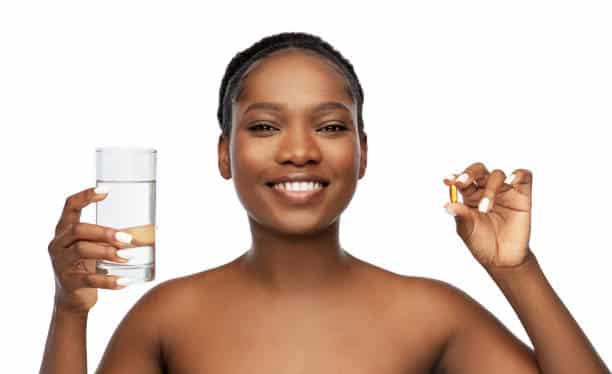
Supplemental vitamin D is available via two sources: D2 and D3, with D3 being the most effective in the human body. Supplements in pill, capsule, chewable, or gummy form are recommended since few natural vitamin D sources are available.
Vitamin D needs fat for optimum absorption into the bloodstream. Mackerel, tuna, and the ever-popular salmon are considered “fatty fish”, high in omega-3 fatty acids. Incorporating these and other fatty fish into mealtimes can help you absorb vitamin D supplements better.
Black women can also add mushrooms, green vegetables, eggs, poultry, and fruits into their regular diet. In addition, foods fortified with vitamin D like certain milks, cereals, breads, and orange juice can also be added to a fibroid prevention diet.
Standing in the sun applies to more than just Olivia Pope. Getting sunlight for at least 10 to 15 minutes a day is recommended to increase vitamin D levels. However, three things undermine ultraviolet (UV) ray absorption from sunlight for Black women.
How do you combat this? Spend time in the sun sans sunscreen during midday. Research shows that optimal UV ray intensity and our ability to absorb and process it is best at noon. As Black women, we will still need to spend a little more time “standing in the sun” than white women, but maximizing our time and effort by having our lunch break outside in the midday sun will help us get more vitamin D bang for our buck.
As Black women, we shouldn’t have fibroids to worry about on top of surviving in America. With a few lifestyle improvements, let’s turn the data on fibroids and Black women on its ear – and produce more positive statistics concerning the lack of fibroid growth in Black women.


By subscribing, you consent to receive emails from BlackDoctor.com. You may unsubscribe at any time. Privacy Policy & Terms of Service.