Menu

The Benefits of Receiving A Prediabetes Diagnosis

There’s something about the term “prediabetes” – maybe it’s the “pre” – that makes it sound less worrisome than it really is. Prediabetes is a condition that occurs when blood sugar levels are elevated but not high enough yet to indicate type 2 diabetes. Prediabetes is a major public health concern, one that everyone should learn more about.

If left untreated, prediabetes often leads to type 2 diabetes, a leading cause of blindness, heart disease, and kidney failure. According to the U.S. Centers for Disease Control and Prevention (CDC), 1 in 3 adults in the U.S. has prediabetes and of these individuals, 90 percent of them don’t even know it. That’s because prediabetes can be a “silent” condition, causing few noticeable symptoms. Because people with prediabetes don’t typically feel sick, many don’t know to seek medical attention.

Fortunately, you can find out your risk for prediabetes in less than a minute: DoIHavePrediabetes.org, created by the Ad Council, AMA, and CDC, offers a quick test to help you find out where you stand.

Featured on BlackDoctor

If you receive a high score on the risk test, you should talk to your doctor about getting your blood sugar tested. There are two common tests:

  • Fasting blood glucose (FGB): Which measures your blood sugar after not eating for 8 hours.
  • Hemoglobin A1C (HbA1c): Which measures your average blood sugar over the past 2-3 months.

Type 2 diabetes requires lifelong management, often including medication. But prediabetes, if diagnosed before it progresses to type 2 diabetes, can be treated and may even be reversed. Small, actionable changes to your lifestyle can go a long way toward lowering blood sugar and keeping prediabetes in check. Here are a few things you can start doing today to reverse prediabetes and prevent type 2 diabetes:

  • Lose weight: Research shows that you can cut your risk for type 2 diabetes in half by losing 5-7 percent of your body weight. If you are 200 pounds, that is 10-15 pounds.
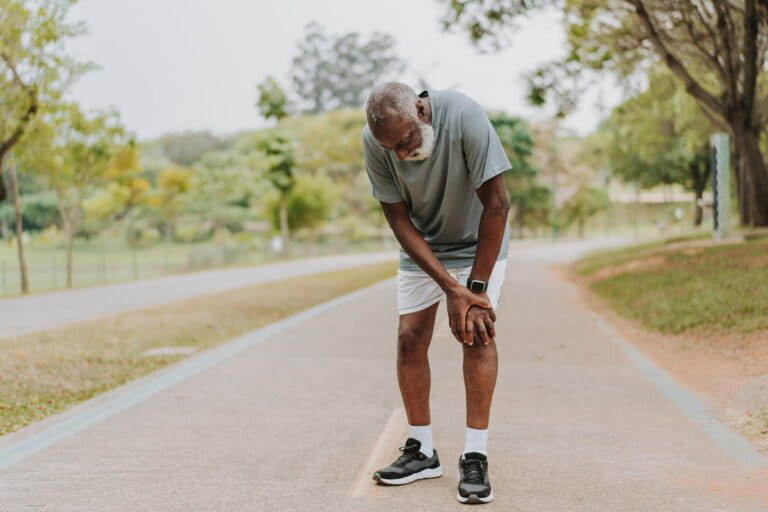
  • Move more: Exercising moderately (walking briskly, for example) for 30 minutes a day, five days a week can help reduce blood sugar levels.
  • Eat well: Eat more healthy foods, such as vegetables, fruits, and lean proteins (fish, chicken, turkey, tofu, eggs, yogurt, to name a few). Eat fewer foods that are high in calories, fat, and sugar, and avoid trans fat and eat less saturated fat.

Prediabetes is a serious condition, and diagnosis is key. Want to know more about your prediabetes risk? Take the prediabetes risk test now to know where you stand!

Related Stories
Answer the question below
What areas do you try to improve in spring?

Get our Weekly Newsletter

Stay informed on the latest breakthroughs in family health and wellness. Sign up today!

By subscribing, you consent to receive emails from BlackDoctor.com. You may unsubscribe at any time. Privacy Policy & Terms of Service.

More from BlackDoctor

Where Culture Meets Care

BlackDoctor is the world’s largest and most comprehensive online health resource specifically for the Black community. BlackDoctor understands that the uniqueness of Black culture - our heritage and our traditions - plays a role in our health. BlackDoctor gives you access to innovative new approaches to the health information you need in everyday language so you can break through the disparities, gain control and live your life to its fullest.
✦ AI Search Disclaimer
This AI-powered search tool helps you find relevant health articles from the BlackDoctor.org archive. Please keep the following in mind:
✦ For Informational Purposes Only
The information provided through this AI search is for general educational and informational purposes only. It is not intended as a substitute for professional medical advice, diagnosis, or treatment.
✦ Always Consult a Healthcare Provider
Never disregard professional medical advice or delay seeking it because of something you have read through this search tool. If you have a medical emergency, call your doctor or 911 immediately.
✦ AI Limitations
This search tool uses artificial intelligence to help match your queries with articles in our archive. While we strive for accuracy, AI-generated results may occasionally be incomplete, outdated, or not fully relevant to your specific situation.
✦ No Doctor-Patient Relationship
Using this search tool does not create a doctor-patient relationship between you and BlackDoctor.org or any healthcare provider.
Explore over 35,000 articles and videos across black health, wellness, lifestyle and culture
Full AI Search Experience >
×

Download PDF

Enter your name and email to receive the download link.