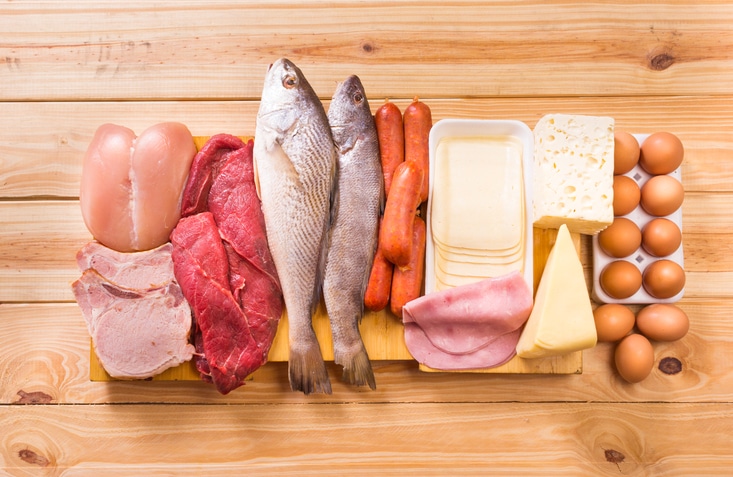
Protein is an essential nutrient your body needs to build and repair muscle, organs, cells and other types of tissue. There’s even an urban legend is that protein has a direct correlation with muscle gain — that the more protein you eat, the more muscle you build. The recommended dietary allowance for protein is 46 grams per day for women and 56 grams per day for men, but most people easily surpass these amount.
Just think about it: most of us eat some type of protein for breakfast (eggs, sausage), some type of protein for lunch (meat) and a protein for dinner (red meat). All that protein adds up.
As it turns out, that urban legend is not true at all. There’s a protein threshold, a level of dietary protein intake beyond which you don’t receive any of the muscle-building benefits. You can actually experience some adverse side effects to overdoing it, including indigestion, hormone disruption, and even weight gain. Continue reading this blog to know what happens if you eat too much protein.
Here’s what happens when our bodies start taking in too much protein:
1. Your Breath Smells Bad
Ewww! When you cut your carbs to the bare minimum (which you’re likely doing if you’re on a super-high-protein diet), your body enters a state called ketosis, where it starts burning fat for fuel instead of the usual carbohydrates. Which might be great for weight loss, but not so much for your breath, says registered dietician Jessica Cording. That’s because when your body burns fat, it also produces chemicals called ketones that can leave your mouth smelling sort of like you drank nail polish remover. But the worst part is, the smell is coming from inside you, so brushing, flossing, or rinsing won’t make much of a difference.
2. Your Body Loses Calcium
Consuming high levels of protein can cause your body to excrete more calcium in your urine, increasing your need for dietary calcium. If you don’t consume sufficient calcium to make up for this, you could have a higher risk for developing osteoporosis as you get older. The more protein you consume above that needed by your body for building muscle, the more calcium you will need to consume.
3. You Actually GAIN Weight
A lot of people think that a high protein diet means you will lose weight, but wrong. When you consume more protein than your body needs, the excess protein is used to provide your body with energy or turned into fat. You can’t store extra amino acids or protein for later use, so if you consume too many calories in an effort to increase your protein intake you will gain weight. A high-protein diet might help you drop pounds in the short-term. But if you’re going hard on the egg whites and whey protein without cutting out other stuff, you’re gonna gain weight, not lose it. In fact, one long-term study of more than 7,000 adults found that those who ate the most protein were 90% more likely to become overweight compared to people who ate less of the stuff.
4. You Become Dehydrated
It takes extra water for your body to break down protein for use and get rid of the waste that is left behind, so it is possible to get dehydrated from consuming too much protein if you don’t drink sufficient water throughout the course of the day. You’ll start to notice it in your skin and even your hair.
5. Your Kidneys Start To Suffer
Although consuming excess protein is unlikely to cause kidney problems in healthy people, it can exacerbate existing problems. People with kidney problems are often advised by their doctors to limit the amount of protein they consume to avoid putting extra strain on their kidneys. If you have kidney problems, speak with your doctor about the amount of protein you should consume.


By subscribing, you consent to receive emails from BlackDoctor.com. You may unsubscribe at any time. Privacy Policy & Terms of Service.