
Walk through almost any grocery store, and you’ll find foods promising to help you “cut fat,” from low-fat salad dressings and reduced-fat peanut butter to fat-free dairy products and packaged baked goods. For years, choosing the lower-fat version was often presented as a simple strategy for managing weight and improving heart health.
But nutrition science has become more nuanced.
Fat is not inherently unhealthy. Your body needs dietary fat to absorb certain vitamins, support cell function and produce hormones. And when manufacturers remove fat from foods, they may replace some of the flavor and texture with other ingredients, including added sugars, sodium or starches.
That doesn’t mean full-fat foods are automatically the better choice, either. Some foods are naturally high in saturated fat, and current dietary guidance emphasizes limiting saturated fat while choosing unsaturated fats more often. The bigger takeaway? Don’t judge a food by the “low-fat” label alone. Look at the entire nutrition picture—including the ingredients, added sugars, sodium, protein, fiber and type of fat.
Here are five foods where the reduced-fat version may not always offer the advantage you expect.
RELATED: Thought Sugar-Free Was the Better Choice? Read This First
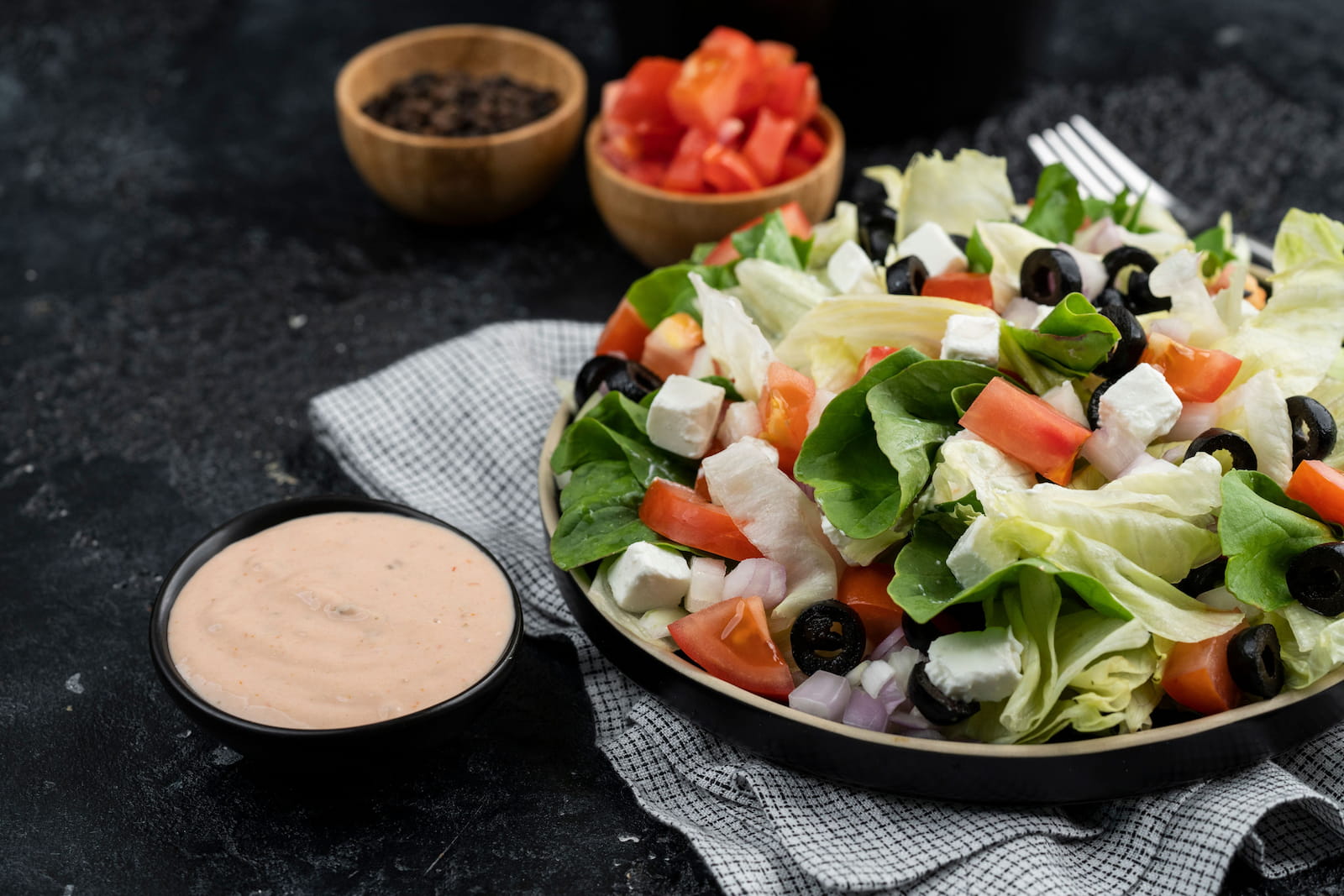
Low-fat typically means added sugar or salt, and with no-fat salad dressing, that can mean losing important nutrients. “Zero-fat salad dressing is a big no-no because the fat helps us absorb carotenoids—the nutrient-rich compounds found in the vegetables in our salads,” says Dawn Jackson Blatner, author of The Flexitarian Diet.
That doesn’t mean you need a heavy dressing—or that every full-fat dressing is healthy. Instead, look for dressings made with sources of unsaturated fat, such as olive or avocado oil, and check the label for added sugars and sodium.
Try this: Make a simple dressing at home with olive oil, vinegar or lemon juice, herbs and spices.
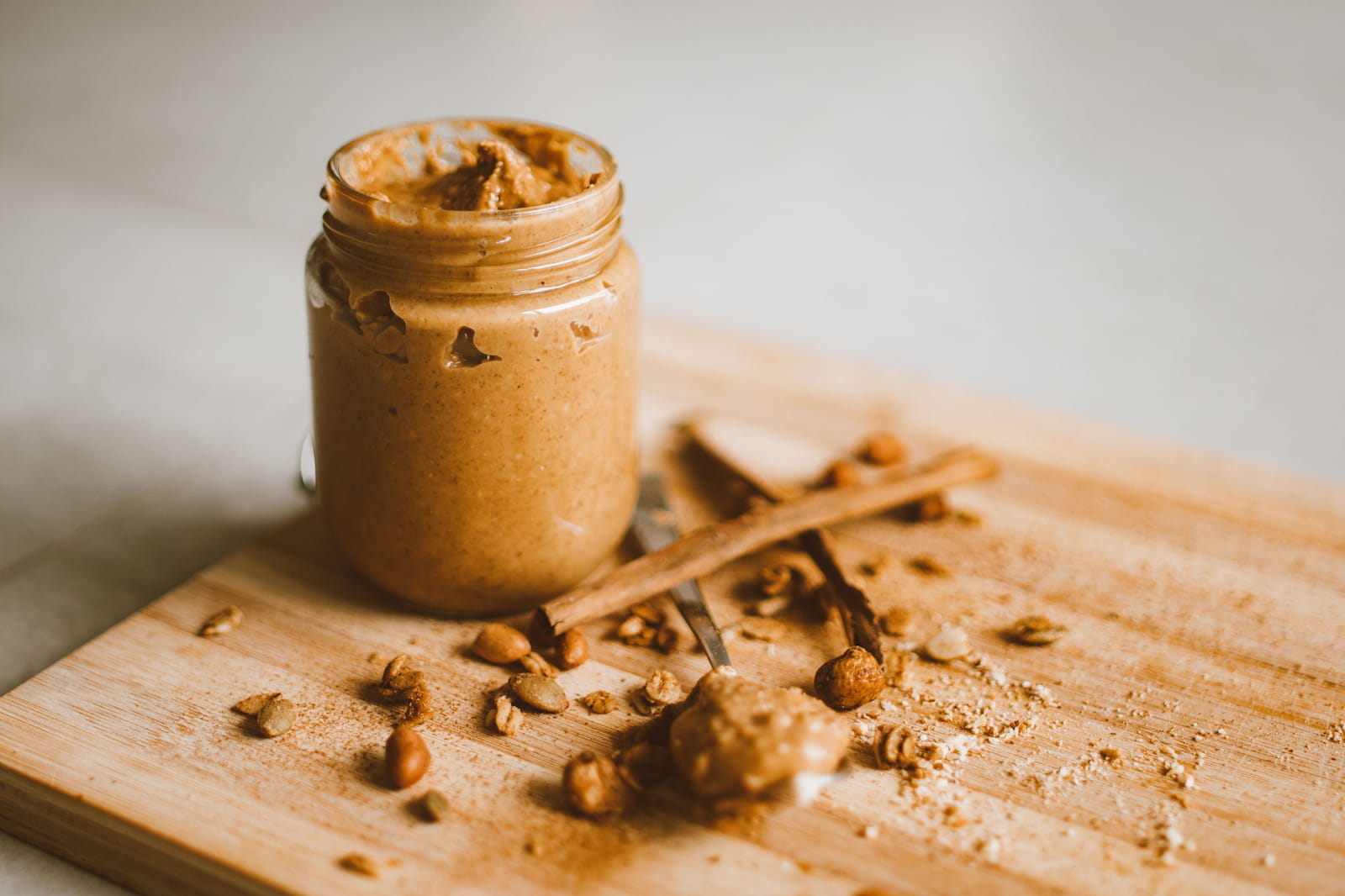
Reduced-fat peanut butter can be misleading if you’re choosing it simply because you think “less fat” automatically means “healthier.”
Peanuts naturally contain mostly unsaturated fats, including monounsaturated and polyunsaturated fats. When manufacturers remove some of that fat, they may add other ingredients to maintain the product’s taste and texture.
When shopping, compare the ingredient lists rather than focusing only on the fat grams. A peanut butter made primarily from peanuts—and perhaps a little salt—can be a straightforward option.
Try this: Look for peanut butter with minimal added ingredients, and watch for added sugar and sodium.

Compare the long list of mystery ingredients in pre-packaged reduced-fat baked goods with the handful of recognizable ingredients in fresh-baked items, and the healthier choice should be obvious.
In some products, fat may be replaced with refined carbohydrates, starches or other ingredients to preserve the texture and flavor consumers expect.
The better question isn’t necessarily, “How little fat does this contain?” Instead, ask: How often am I eating it, how much am I eating, and what else does it provide nutritionally?
Try this: When you want a sweet treat, choose a smaller portion of the food you actually enjoy rather than automatically opting for a reduced-fat version.

For years, people were encouraged to separate egg whites from yolks to reduce dietary cholesterol. Today, the conversation is more nuanced.
Egg yolks contain important nutrients, including choline, vitamin B12, vitamin D and selenium. They also contain dietary cholesterol, but for most people, dietary cholesterol is not the primary driver of blood cholesterol levels.
What matters is your overall eating pattern and individual health needs.
Try this: Unless your healthcare professional has given you specific dietary instructions, there’s no need to automatically discard the yolk every time you eat an egg. Pair eggs with vegetables, whole grains or fruit for a more balanced meal.
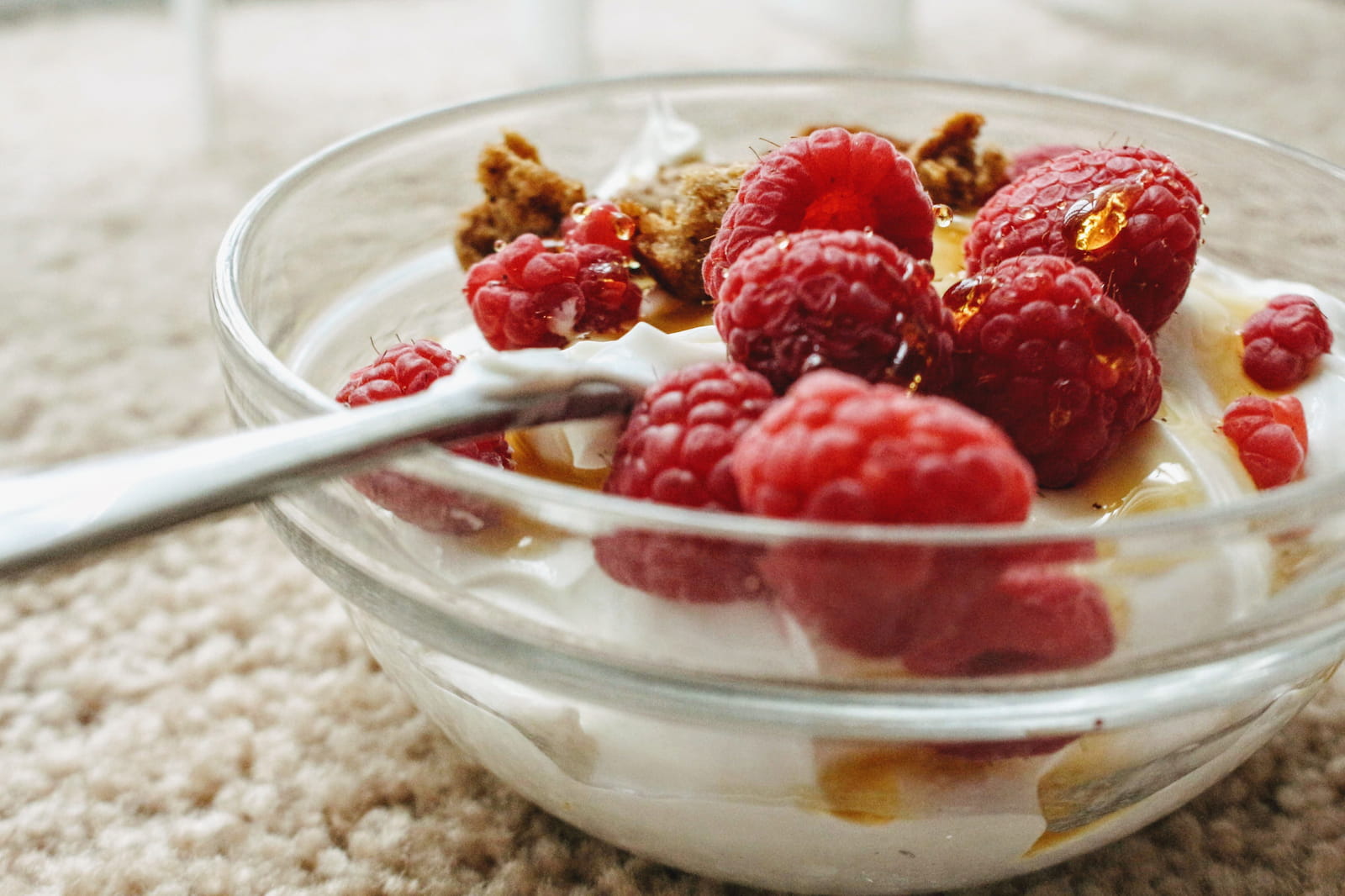
Low-fat and fat-free dairy products can absolutely fit into a healthy eating pattern, so this isn’t an argument to avoid them. But you also don’t necessarily need to fear full-fat dairy if you enjoy it and it fits your overall dietary needs.
Milk, yogurt and cheese provide nutrients such as calcium and protein. However, full-fat dairy products also contain more calories and saturated fat than their reduced-fat counterparts.
If you’re choosing full-fat dairy, portion size and the rest of your diet still matter. Unsweetened yogurt, for example, can be a nutrient-dense option regardless of whether you choose low-fat or whole milk varieties.
Try this: Compare nutrition labels and choose based on your overall needs rather than assuming “fat-free” is always best.
The idea that you should simply choose the food with the least amount of fat is outdated. But that doesn’t mean “full-fat” should become the new nutrition rule.
The type of fat matters. So do added sugars, sodium, fiber, protein, calories and portion size. And perhaps most importantly, the overall quality of your eating pattern matters more than one number on the nutrition label.
Instead of automatically reaching for foods labeled “fat-free” or “low-fat,” take a closer look. Is the food minimally processed? Does it contain beneficial nutrients? What ingredients were added to replace the fat? And does it fit into the way you normally eat?
When it comes to nutrition, less of one nutrient doesn’t automatically mean more health.



By subscribing, you consent to receive emails from BlackDoctor.com. You may unsubscribe at any time. Privacy Policy & Terms of Service.