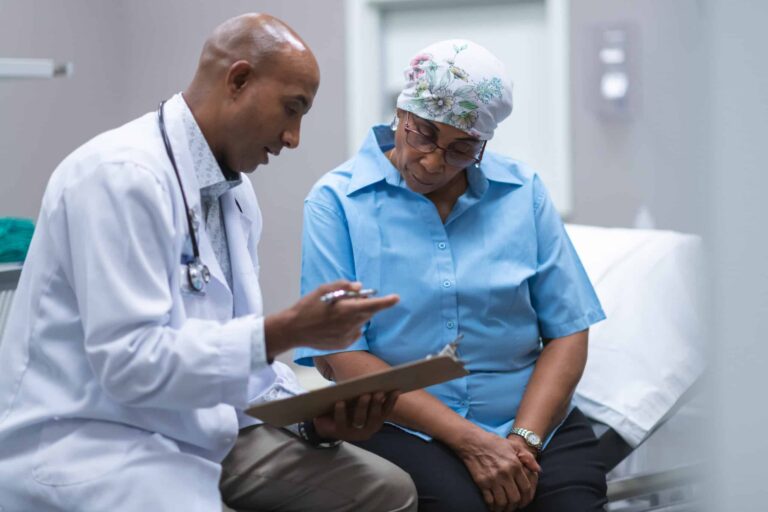
A diagnosis of advanced breast cancer is overwhelming. Still, for Black women, the journey can be even more challenging due to racial disparities in healthcare, limited representation in clinical trials, and cultural stigmas around discussing illness. Studies show that Black women are 40 percent more likely to die from breast cancer than white women despite similar diagnosis rates.
To take control of their health and ensure they receive the best possible care, Black women must ask the right questions, advocate for themselves, and seek culturally competent support. Here are five essential questions every Black woman should ask after an advanced breast cancer diagnosis.
RELATED: Breast Cancer Treatment: What Every Black Woman MUST Know
Breast cancer treatment is not one-size-fits-all—it depends on the cancer type, stage, and a woman’s overall health. Black women are disproportionately diagnosed with aggressive subtypes, such as triple-negative breast cancer (TNBC), which often requires different treatment strategies.
Key Points to Discuss with Your Doctor:
Fact: Black women are more likely to develop and die from TNBC, a form of breast cancer that does not respond to hormone therapy and requires aggressive treatment strategies.
RELATED: OP-ED: Breast Cancer Clinical Trials Are Missing Black Women
Black women are significantly underrepresented in clinical trials despite having higher breast cancer mortality rates. Clinical trials provide access to cutting-edge treatments that could be more effective than standard therapies.
Questions to Ask:
Only three to six percent of Black women participate in breast cancer clinical trials, meaning that many treatments may not be tested on diverse populations before being widely prescribed. Organizations like Sisters Network Inc. and the Tigerlily Foundation work to increase Black women’s participation in trials.
Many breast cancer treatments, including chemotherapy, radiation, and hormone therapy, can cause infertility or early menopause. This is especially concerning for younger Black women who may want children in the future.
Things to Consider:
Studies show that Black women are less likely to receive fertility counseling before starting cancer treatment despite having higher rates of aggressive breast cancer at younger ages.
Ask about fertility preservation options before starting treatment. Programs like Livestrong Fertility offer financial assistance to cancer patients seeking fertility preservation.
RELATED: Treating the Treatment: 6 Ways to Overcome Side Effects of Breast Cancer Treatments
Managing side effects is crucial for maintaining quality of life during treatment. Many Black women turn to holistic remedies, but not all natural therapies are safe alongside cancer treatment.
Options to Explore:
Fact: Exercise and diet play a key role in reducing fatigue, inflammation, and treatment-related side effects. Anti-inflammatory foods like dark leafy greens, turmeric, and omega-3 fatty acids may help combat treatment side effects.
Ask for a registered dietitian or nutritionist specializing in cancer care to help develop a culturally relevant meal plan.
Black women often carry the weight of cultural expectations—being the “strong Black woman” can make it difficult to ask for help. However, a strong emotional, spiritual, and practical support system is crucial for navigating cancer treatment.
Support System Considerations:
Fact: Black women are 2x more likely to experience depression and anxiety after a breast cancer diagnosis but are less likely to seek mental health support.
Look for culturally competent therapists who specialize in cancer-related trauma. Organizations like The Loveland Foundation offer therapy grants for Black women.
Racial disparities in healthcare affect everything from diagnosis to treatment outcomes. Studies show that Black women are:
Key Questions to Ask Your Healthcare Provider:
Fact: Implicit bias in medicine leads to delayed diagnoses and inadequate treatment for Black women. Don’t hesitate to ask for second opinions or seek Black medical professionals.
Use patient advocacy groups like Tigerlily Foundation and Sisters Network Inc. to help navigate racial barriers in breast cancer care.
Navigating an advanced breast cancer diagnosis requires both medical and emotional support. Connecting with organizations that understand the unique challenges faced by Black women can make a significant difference.
Resources to Consider:
Facing an advanced breast cancer diagnosis is incredibly difficult, but knowledge is power. By asking the right questions, seeking culturally competent healthcare, and building a strong support system, Black women can take control of their treatment journey and improve their health outcomes.


By subscribing, you consent to receive emails from BlackDoctor.com. You may unsubscribe at any time. Privacy Policy & Terms of Service.