Menu

5 Lessons from Lung Cancer Survivors Who Refused to Be Ignored

Table of Contents
lung cancer

The 2025 STEMM & Cancer Health Equity (SCHEQ) Lung Cancer Interventions Summit in Chicago was focused on one main goal: removing barriers and improving outcomes for everyone affected by lung cancer. By bringing patients, clinicians, and researchers together, the event aimed to break down communication silos and build a stronger community dedicated to advocacy and survivorship.

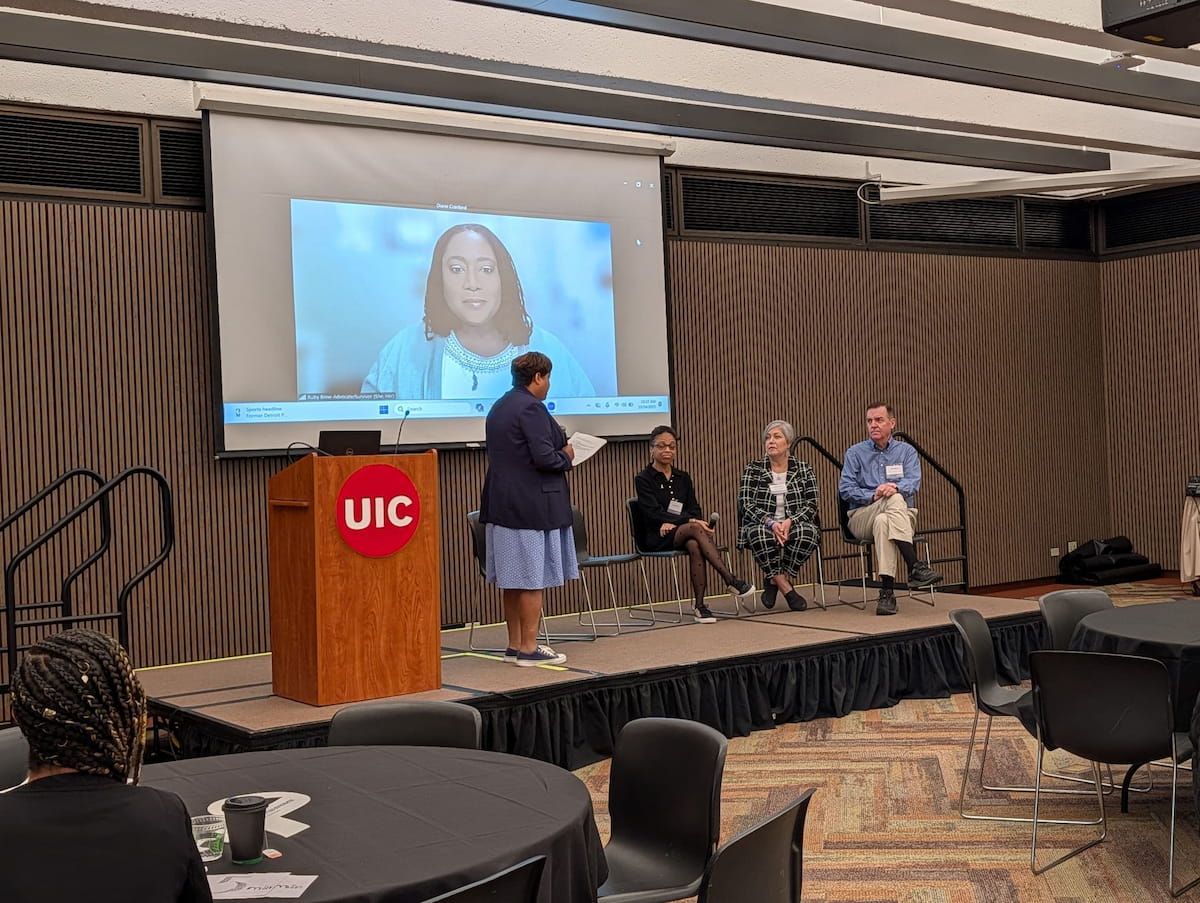
The session, Patient Perspectives on Lung Cancer and Lessons Learned, provided the heart of the summit. Moderated by Angela James of the LUNGevity Foundation, four survivors—Juanita Segura, Ruby Blow, Natalie Brown, and Dave Bjork—shared their battles, revealing critical areas where the system needs to improve.

RELATED: 3 Ways to Be an Active Partner in Your Lung Cancer Care

Featured on BlackDoctor

Key Takeaways from the Panel

1. Demand Comprehensive Biomarker (Genetic) Testing

Biomarker testing—sometimes called molecular or genomic testing—isn’t optional. It’s the foundation of precision medicine. This testing examines the DNA of cancer cells to find mutations that determine how the tumor grows and which drugs will work best.

  • Juanita Segura, diagnosed in 2014 with Stage 3B NSCLC and EGFR-positive, was given 18 months to live. She has survived 11 years thanks to the targeted therapy enabled by her testing. Her motivation for advocacy is deeply personal: she fights for breakthroughs so she can have more time for her grandchildren (her “Abuela” title) and her family.
  • Ruby Blow, diagnosed in 2018 with Stage IV ALK-positive NSCLC, started a clinical trial. She learned critical information about a dangerous “washout period” between drugs only from fellow patients, proving the power of community-shared knowledge in navigating complex treatments.

Tip: Ask for comprehensive biomarker testing immediately after diagnosis. It’s your roadmap to the right treatment.

2. Be Your Own Advocate—Loudly

Every panelist faced delays, dismissals, or a lack of critical support before and after receiving an accurate diagnosis.

  • Juanita was repeatedly told she had asthma for months, despite persistent symptoms. It took an emergency room visit to finally uncover her cancer.
  • Dave Bjork was misdiagnosed with pneumonia multiple times over nine months before a radiologist finally noticed a recurring shadow—his tumor.
  • Ruby Blow experienced a significant barrier to care when a doctor attempted to dismiss her collapse of one lung, requiring her therapist friend to intervene and successfully advocate for her admission.

Tip: If your symptoms are ignored, push back. Seek a second opinion, ideally from a lung cancer specialist. Your life depends on being heard.

RELATED: Lung Cancer: 8 Ways to Let go of the Guilt of Your Diagnosis

3. The Patient Community Is a Lifeline

Panelists emphasized that some of their most critical, practical, and life-saving information came from other patients—not doctors.

  • Juanita found practical help from patient groups for managing severe drug side effects, including psychosis and diabetes caused by TKI therapy.
  • Natalie Brown turned to advocacy networks after enduring chemotherapy, immunotherapy, and three failed clinical trials before pursuing a life-saving double lung transplant.
  • Dave uses his Research Evangelist Podcast to connect patients and scientists, demonstrating the power of survivors to drive medical progress.

Advocacy and support groups also play an essential role in sharing knowledge, emotional strength, and resources:

Tip: Join a community. These groups turn isolation into empowerment and can literally change treatment outcomes.
lung cancer

4. Supportive Care is Not Optional

Supportive care focuses on managing pain, side effects, and mental health. The panelists stressed that the overall cost of cancer care goes far beyond the medical bill, creating financial toxicity.

  • Dave Bjork endured months of excruciating pain because no one referred him to a pain clinic, highlighting a failure in supportive care.
  • Natalie Brown’s journey, which involved a high-risk bilateral lung transplant, required her to relocate to Chicago for treatment. This meant not just a massive medical bill, but crippling non-medical expenses like temporary housing, travel, and lost wages for herself and her caregiver—a profound financial burden that can prevent access to life-saving care.

Tip: Ask for referrals to pain management, counseling, and social work as early as possible. Address the financial burden with your social worker immediately.

RELATED: Living with Lung Cancer: How to Find Your Community?

5. Fight the Stigma—Anyone Can Get Lung Cancer

Every survivor confronted the same painful question: “Did you smoke?” The stigma distorts public perception, damages emotional health, and affects research funding.

  • Dave summed it up best: “Anybody can get lung cancer. It’s a disease of the lung, and if you have lungs—you’re at risk.”
  • Ruby, diagnosed young and without traditional risk factors, and Natalie are powerful examples of the fact that this disease is not limited by age or lifestyle.

Tip: Challenge the stereotype. Stigma costs lives by discouraging screening, funding, and empathy.


Related Stories
Answer the question below
What actions have you taken regarding your leaky heart valve?

Get our Weekly Newsletter

Stay informed on the latest breakthroughs in family health and wellness. Sign up today!

By subscribing, you consent to receive emails from BlackDoctor.com. You may unsubscribe at any time. Privacy Policy & Terms of Service.
More from BlackDoctor

Where Culture Meets Care

BlackDoctor is the world’s largest and most comprehensive online health resource specifically for the Black community. BlackDoctor understands that the uniqueness of Black culture - our heritage and our traditions - plays a role in our health. BlackDoctor gives you access to innovative new approaches to the health information you need in everyday language so you can break through the disparities, gain control and live your life to its fullest.
✦ AI Search Disclaimer
This AI-powered search tool helps you find relevant health articles from the BlackDoctor.org archive. Please keep the following in mind:
✦ For Informational Purposes Only
The information provided through this AI search is for general educational and informational purposes only. It is not intended as a substitute for professional medical advice, diagnosis, or treatment.
✦ Always Consult a Healthcare Provider
Never disregard professional medical advice or delay seeking it because of something you have read through this search tool. If you have a medical emergency, call your doctor or 911 immediately.
✦ AI Limitations
This search tool uses artificial intelligence to help match your queries with articles in our archive. While we strive for accuracy, AI-generated results may occasionally be incomplete, outdated, or not fully relevant to your specific situation.
✦ No Doctor-Patient Relationship
Using this search tool does not create a doctor-patient relationship between you and BlackDoctor.org or any healthcare provider.
Explore over 35,000 articles and videos across black health, wellness, lifestyle and culture
Full AI Search Experience >
×

Download PDF

Enter your name and email to receive the download link.

BlackDoctor AI Search